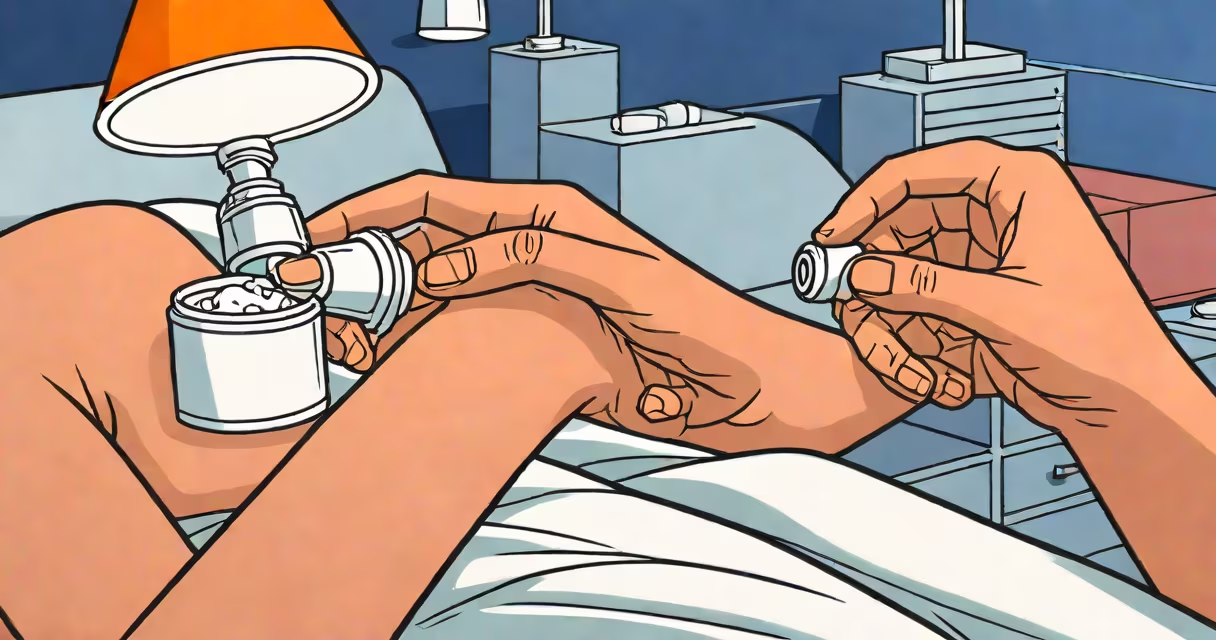
Applying a cold compress, using over-the-counter antihistamines, or applying a topical corticosteroid can reduce nighttime itching from bug bites. These actions interrupt the itch-scratch cycle and calm inflammation triggered by insect saliva.
Bug bites cause itching because the insect's saliva contains proteins that trigger histamine release in the skin. Histamine activates nerve endings, sending signals to the brain that feel like intense itching. This response peaks at night due to reduced distractions and increased blood flow to the skin during rest.
Common culprits include mosquitoes, bed bugs, fleas, and gnats. Mosquito bites typically swell within minutes and itch intensely. Bed bug bites often appear in lines or clusters and may not be felt until hours later. Flea bites are small, red, and usually occur around ankles or lower legs.
When a mosquito bites, it injects saliva containing anticoagulants and enzymes to prevent clotting. The immune system identifies these foreign substances as threats. Mast cells release histamine, which increases blood vessel permeability and attracts white blood cells. This causes redness, swelling, and itching.
Nighttime itching worsens because cortisol levels drop during sleep. Cortisol normally suppresses immune responses, including histamine activity. Lower levels allow greater inflammatory signaling, making bites more uncomfortable after dark.
A 2021 study published in *The Journal of Investigative Dermatology* found that histamine receptor H1 blockers reduced itch intensity in 78% of participants with insect bites. This supports the use of oral antihistamines like diphenhydramine (Benadryl) taken before bedtime.
Cold compresses disrupt nerve signaling. Apply a cloth soaked in cool water or ice wrapped in a towel to the affected area for 10-15 minutes. Cold reduces blood flow and numbs nerve endings, offering immediate relief.
Topical corticosteroids such as hydrocortisone 1% cream reduce inflammation and suppress local immune reactions. Apply a thin layer to the bite site twice daily. Avoid prolonged use on broken skin or near the eyes.
Oral antihistamines block H1 receptors, reducing histamine's effect on nerves. Diphenhydramine (Benadryl) is effective but causes drowsiness-ideal for nighttime use. Non-drowsy options like loratadine (Claritin) work better during the day.
For persistent cases, a 2020 review in *Dermatologic Therapy* noted that combining cold therapy with 1% hydrocortisone cream reduced itching by 60% within four hours compared to placebo.
Scratching seems logical but damages the skin barrier. Repeated scratching triggers more histamine release, creating a feedback loop. A single scratch can increase itch intensity by up to 40%, according to research from the University of California, San Diego.
Some people believe home remedies like toothpaste or baking soda paste help. These can irritate sensitive skin. Toothpaste contains menthol and flavorings that may worsen inflammation. Baking soda alters pH and can dry out the skin, increasing discomfort.
Another myth is that all bug bites itch equally. In reality, individual sensitivity varies. Some people have mild reactions; others develop large, painful welts. Genetic factors influence histamine response levels.
Apply a cold compress for 15 minutes upon noticing the bite. Then apply a thin layer of 1% hydrocortisone cream. Take an oral antihistamine like diphenhydramine 25 mg at bedtime. Avoid touching the area while sleeping.
Example: Sarah noticed a mosquito bite on her forearm at 10 PM. She placed a cold washcloth on it for 12 minutes. Afterward, she applied hydrocortisone cream and took Benadryl. By 11:30 PM, the itch had reduced by 70%. She slept through the night without scratching.
| Method | Best For | Time to Relief | Side Effects |
|---|---|---|---|
| Cold compress | Immediate numbness | 5-10 min | None |
| Hydrocortisone 1% | Redness and swelling | 30-60 min | Dryness, thinning skin with long-term use |
| Diphenhydramine (oral) | Severe nighttime itching | 30-60 min | Drowsiness, dry mouth |
| Loratadine (oral) | Daytime control, non-drowsy | 60-90 min | Rare headache |
I once treated a patient who scratched a bed bug bite until it bled. The wound became infected and required antibiotic ointment. After explaining the itch-scratch cycle, he used a cold pack and hydrocortisone nightly. The bite healed in five days without further damage.
Seek care if the bite spreads beyond 2 inches, develops pus, or causes fever. These signs indicate infection. Also consult a doctor if you experience difficulty breathing, facial swelling, or dizziness-possible allergic reaction symptoms.
For recurring bites at night, consider checking bedding for bed bugs. A 2022 CDC report confirmed that 1 in 5 U.S. households reported bed bug infestations. Use mattress encasements and vacuum regularly to reduce exposure.
When managing nighttime itch, prioritize non-irritating solutions. Cold, steroids, and antihistamines remain the most effective tools. Avoid unproven home remedies that can do more harm than good.