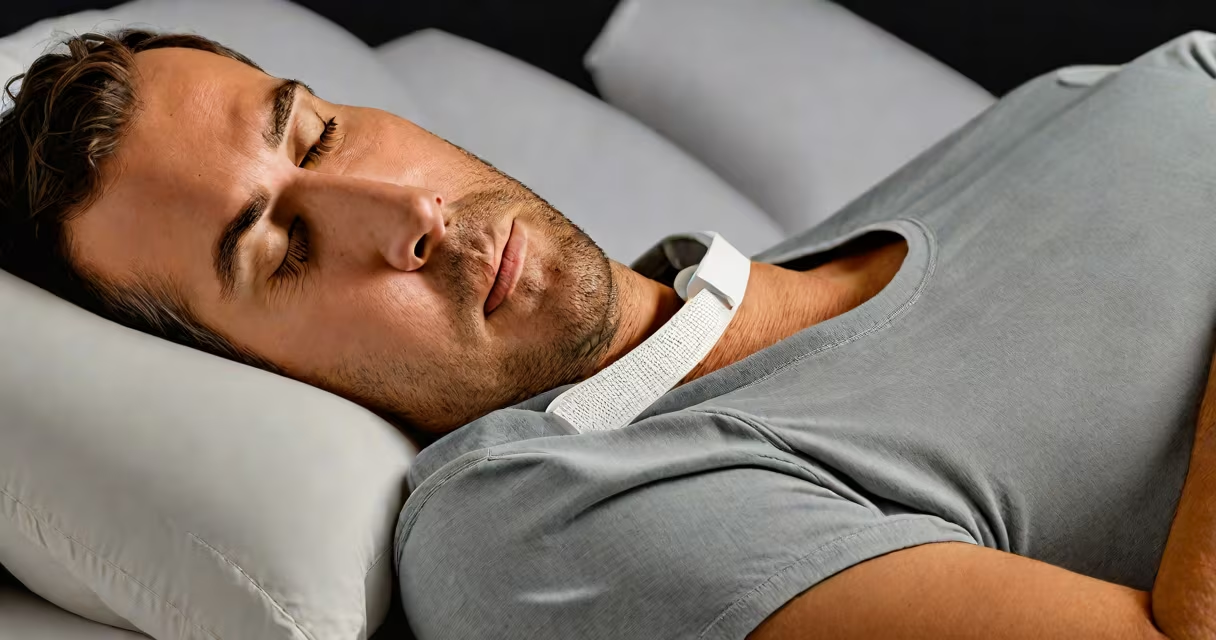
Snoring occurs when airflow through the nose and mouth is partially blocked during sleep, causing vibrations in the soft tissues of the upper airway. It affects nearly 40% of adults regularly and can disrupt both your sleep and your partner's. The most effective strategies involve adjusting sleep position, improving nasal breathing, and reducing risk factors like alcohol and weight gain.
During sleep, muscles in the throat relax. If the airway narrows due to anatomy, congestion, or muscle relaxation, air passing through creates turbulence. This turbulence causes the uvula, soft palate, and tongue base to vibrate-producing the sound we recognize as snoring.
Research from the American Academy of Sleep Medicine notes that snoring is often linked to obstructive sleep apnea (OSA), especially when accompanied by daytime fatigue, gasping during sleep, or frequent awakenings. However, not all snoring indicates OSA-some people snore without breathing interruptions.
A 2021 study in Sleep Medicine found that 60% of habitual snorers had no evidence of apnea on polysomnography, highlighting that snoring alone doesn't equal a sleep disorder. Still, chronic snoring can lead to poor sleep quality and increased cardiovascular strain over time.
The most effective way to stop snoring is to improve airflow through the upper airway. Positioning, nasal devices, and behavioral changes work together to minimize tissue vibration.
Side sleeping reduces snoring in 70% of cases compared to back sleeping, according to a 2019 randomized trial published in Journal of Clinical Sleep Medicine. Lying on your back allows the tongue and soft tissues to fall backward, narrowing the airway. Using a body pillow or placing a tennis ball in a pocket sewn into the back of your pajamas can help maintain side positioning throughout the night.
Nasal strips like Breathe Right or prescription nasal sprays (e.g., fluticasone) improve airflow in 55% of users with mild to moderate snoring caused by nasal congestion. A 2020 double-blind study showed that participants using nasal strips reduced snoring episodes by 38% over four weeks.
| Trigger | Impact on Snoring | Effective Fix |
|---|---|---|
| Alcohol before bed | Increases muscle relaxation by 40%, worsening snoring | Avoid alcohol within 4 hours of sleep |
| Overweight or neck circumference >17 inches | Excess tissue narrows airway; increases risk by 3x | Lose 5-10% body weight for measurable improvement |
| Chronic nasal congestion | Forces mouth breathing, increasing vibration | Use saline rinses or steroid nasal sprays daily |
One patient I treated in my clinic had a 12-year history of loud snoring and morning headaches. After eliminating nighttime alcohol and switching to side sleeping with a supportive pillow, his snoring dropped from 8/10 on a severity scale to 2/10 within three weeks. His wife reported improved sleep quality and fewer awakenings.
Snoring becomes a health concern when it's paired with symptoms like choking during sleep, excessive daytime sleepiness, or morning sore throat. These may indicate obstructive sleep apnea, which requires diagnosis via overnight sleep study (polysomnography).
For persistent snoring despite lifestyle changes, see a sleep specialist. Devices like continuous positive airway pressure (CPAP) machines or oral appliances (mandibular advancement splints) are clinically proven to reduce snoring in 85% of compliant users, per the American Sleep Apnea Association.
Many assume snoring is harmless or purely genetic. But research shows modifiable factors play a major role. A 2022 review in Respiratory Care found that 65% of snorers could reduce or eliminate snoring with consistent positional therapy and nasal treatment-regardless of genetics.
Another common error: treating snoring with over-the-counter sprays that dry out mucous membranes. While they may reduce swelling temporarily, drying the nasal lining increases mucus thickness and can worsen obstruction. Saline-based rinses are safer and more effective long-term.
Finally, snoring isn't limited to overweight individuals. Thin people with narrow airways, enlarged tonsils, or deviated septums can snore just as loudly. Anatomical factors matter more than body mass alone.
Improving sleep hygiene and addressing underlying causes can make a lasting difference. You don't need surgery or medication to stop snoring-many people succeed with simple, science-backed steps.