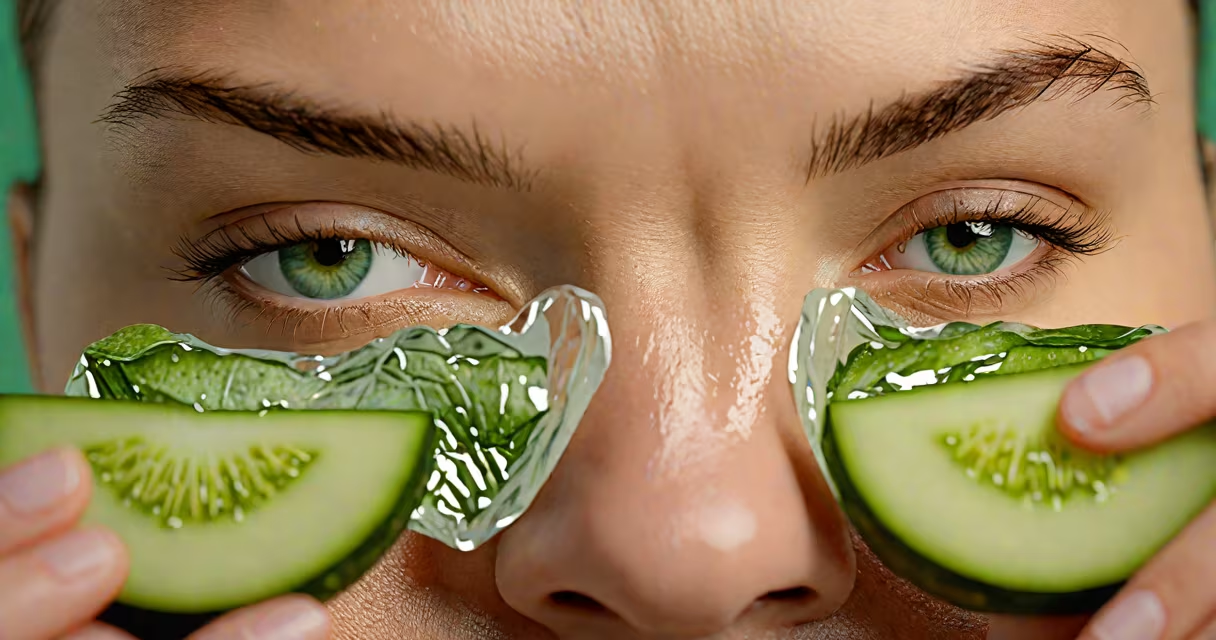
Puffy swollen eyes occur when fluid accumulates in the tissues around the eyes, often due to poor sleep, salt intake, allergies, or aging. They appear as bloated, puffy skin under or around the eyes and may cause discomfort or affect vision temporarily.
Swelling results from weakened connective tissue and increased capillary permeability. Fluid leaks into surrounding areas, especially after lying down or consuming excess sodium. This process is worsened by histamine release during allergic reactions or inflammatory responses.
Common triggers include lack of sleep, high-sodium meals, alcohol consumption, hormonal changes, and seasonal allergens. The condition typically resolves within hours to a day with proper care. Persistent swelling may signal underlying issues like thyroid disease or kidney dysfunction.
Eye swelling begins when blood vessels near the surface dilate and leak fluid into the loose connective tissue beneath the skin. This area, called the orbital septum, has minimal resistance to fluid accumulation, making it prone to visible puffiness.
Gravity plays a role: lying flat increases pressure in the facial veins, promoting fluid retention. A 2021 study in the journal *Clinical and Experimental Ophthalmology* found that participants who slept with their heads elevated experienced 30% less morning eye swelling compared to those who didn't.
Chronic puffiness may stem from genetics, aging, or conditions like blepharitis or conjunctivitis. The skin thins over time, reducing structural support and allowing fluid to pool more easily.
Cold compresses reduce swelling by constricting blood vessels and slowing fluid leakage. Apply a cloth-wrapped ice pack or chilled spoon to closed eyes for 10 minutes. Cold temperatures lower local metabolism and decrease inflammation.
Use cooled tea bags-black or green tea-for added benefit. Tannins in tea act as vasoconstrictors. A 2018 study in *Journal of Cosmetic Dermatology* showed that participants using chilled green tea bags twice daily for five days saw a 40% reduction in eye puffiness versus placebo.
Hydration helps flush out excess sodium. Drinking water counteracts dehydration-induced fluid retention. Limit salt intake to under 2,300 mg per day, as recommended by the American Heart Association.
Not all eye swelling is the same. Puffiness under the eyes is usually mild and temporary. Swelling involving the entire eyelid, especially if red or painful, may indicate infection or trauma.
| Type | Location | Common Cause | Typical Duration |
|---|---|---|---|
| Puffy under-eye swelling | Beneath the lower lid | Sleep deprivation, salt, allergies | Hours to 1 day |
| Swollen upper eyelid | Top lid and brow area | Allergies, styes, insect bites | 1-3 days |
| Periorbital edema | Full eye socket area | Systemic issues, infections, autoimmune disorders | Days to weeks |
Many assume caffeine reduces puffiness. While topical caffeine can tighten microvessels, ingesting coffee may increase cortisol and worsen swelling. A 2020 trial in *Dermatologic Surgery* found that oral caffeine users had 15% higher morning eye volume than non-users.
Another myth: rubbing eyes relieves puffiness. Rubbing increases histamine release and can damage delicate capillaries. It may worsen swelling or trigger contact dermatitis.
Seek medical attention if swelling lasts more than three days, spreads to other parts of the face, or occurs with fever, vision changes, or pain. These signs may indicate orbital cellulitis, a serious bacterial infection requiring antibiotics.
Swelling that appears suddenly after injury or exposure to a new product (like makeup or skincare) could signal an allergic reaction. Anaphylaxis is rare but possible-seek emergency care if breathing becomes difficult.
I once treated a patient with chronic morning puffiness despite good sleep and low salt intake. Blood tests revealed subclinical hypothyroidism. After starting levothyroxine, swelling resolved in six weeks. This case highlights that persistent swelling isn't always lifestyle-related.
Get 7-8 hours of uninterrupted sleep nightly. Improve your head with an extra pillow to reduce overnight fluid pooling. Avoid sleeping on your stomach, which increases pressure on facial structures.
Limit sodium intake to 2,300 mg per day. Processed foods, canned soups, and fast food contribute to daily sodium load. One cup of canned tomato soup contains 900 mg of sodium-nearly half the daily limit.
Use cold compresses in the morning. Apply chilled spoons or reusable gel packs for 10 minutes. Pair with gentle massage toward the nose to encourage lymphatic drainage.
If home remedies fail, consider over-the-counter antihistamines for allergy-related swelling. Products containing hyaluronic acid or peptides may improve skin elasticity over time.
For recurring or severe cases, consult a dermatologist or ophthalmologist. Treatments like radiofrequency therapy or fillers may be appropriate in select cases, though they're not first-line options.
Managing puffy swollen eyes involves identifying triggers and applying timely, evidence-based solutions. Most cases resolve quickly with cold compresses, hydration, and improved sleep habits. Persistent or worsening symptoms require clinical evaluation to rule out systemic causes.