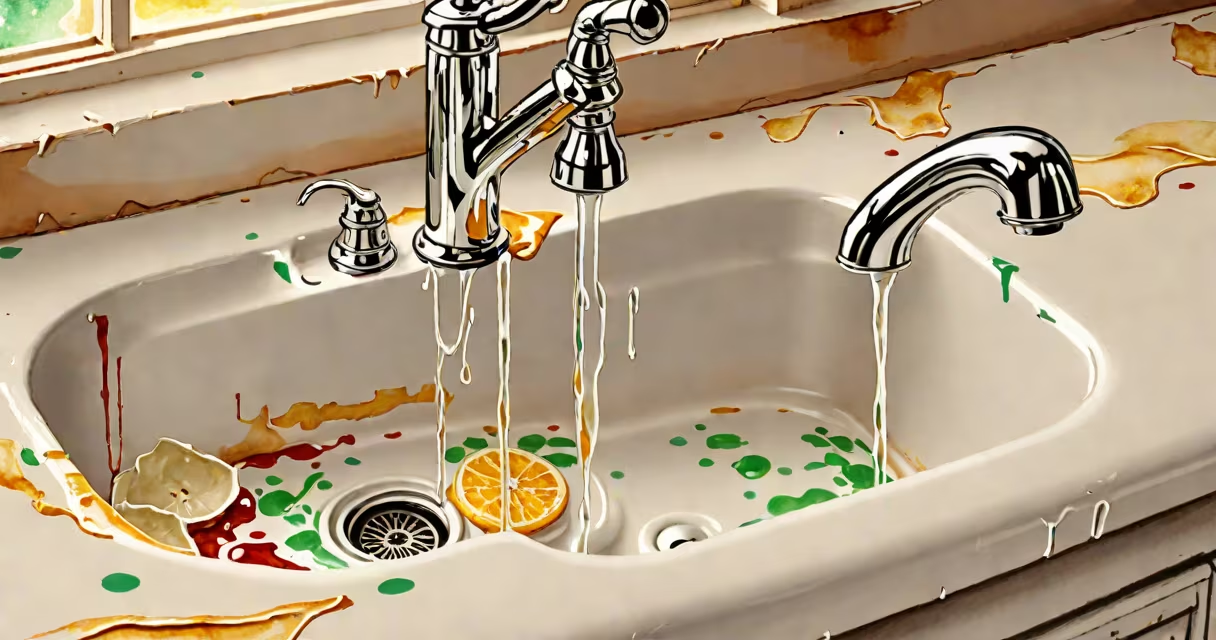
Bad sink smell results from trapped organic waste, stagnant water, or bacterial growth in drain pipes, often producing a rotten egg or sour odor. The most effective solutions involve clearing debris, disinfecting the trap, and maintaining regular drain care.
Sink odors originate in the P-trap-a U-shaped pipe under the sink that holds water to block sewer gases. When the water evaporates or the trap becomes clogged, gases escape into the room. Organic material like food scraps, grease, or hair accumulates in the pipes and decomposes, releasing hydrogen sulfide gas, which smells like rotten eggs. This gas is harmless in small amounts but can be unpleasant and indicate deeper plumbing issues.
According to the Environmental Protection Agency (EPA), household drains can harbor bacteria that thrive in moist, nutrient-rich environments. These microbes produce volatile sulfur compounds responsible for foul odors. Regular cleaning prevents buildup and reduces microbial activity. Ignoring recurring smells may lead to clogs or pipe corrosion over time.
Most bad sink smells stem from four primary causes: dried-out P-traps, food debris buildup, soap scum accumulation, and bacterial colonies in drain lines. A dry P-trap occurs when a sink isn't used regularly-such as in guest bathrooms or rarely used kitchen sinks-allowing water to evaporate and letting sewer gases pass through.
Food particles washed down the drain accumulate in the pipe's bends. Over time, they form a slimy biofilm that traps moisture and supports bacterial growth. Grease poured down drains solidifies in cold pipes, creating blockages that trap waste and promote anaerobic decomposition-producing hydrogen sulfide.
Soap scum, especially in hard water areas, builds up on pipe walls and creates a sticky layer where bacteria can colonize. This layer resists water flow and traps organic matter, leading to persistent odors even after flushing.
| Source | Odor Type | Remedy |
|---|---|---|
| Dried P-trap | Musty, sewer-like | Pour water into the drain to refill the trap |
| Decomposing food | Rotten egg, sour | Use vinegar and baking soda treatment |
| Grease buildup | Acidic, oily | Hot water flush + enzyme cleaner |
| Biofilm in pipes | Unpleasant, persistent | Monthly cleaning with natural agents |
The simplest fix is pouring boiling water down the drain after a few minutes of standing. This melts grease and dislodges loose debris. For stronger odors, mix ½ cup baking soda with 1 cup white vinegar and pour it into the drain. Let the mixture sit for 30 minutes while it bubbles and breaks down organic matter. Flush with hot water afterward.
A 2021 study published in *Journal of Applied Microbiology* confirmed that acetic acid (vinegar) disrupts bacterial cell membranes and reduces viable counts by 90% within 15 minutes. Baking soda raises pH levels, creating an environment hostile to odor-causing microbes. Together, they act as a natural disinfectant and deodorizer.
For stubborn cases, use a plumber's snake or drain auger to physically remove blockages. Insert the tool into the drain opening and rotate clockwise until resistance is felt. Pull out debris. Follow with a vinegar-baking soda treatment and flush with hot water. Avoid chemical drain cleaners-they damage pipes and harm septic systems.
If odors return after multiple cleanings, suspect a damaged vent pipe or cracked P-trap. Vent pipes allow air to flow through the drainage system, preventing suction and gas buildup. A blocked or broken vent can cause sewer gases to reverse into the home. Cracks in the P-trap allow water to leak and gas to escape.
I once encountered a bathroom sink that smelled like sewage despite daily cleaning. After checking the trap, I found a hairline crack near the joint. Replacing the trap stopped the odor. The EPA notes that 12% of residential plumbing issues linked to persistent drain odors involve vent or trap failures.
Prevent bad sink smell by running hot water for 30 seconds after each use. Scrape food scraps into the trash, not the sink. Avoid pouring grease down drains-collect it in a container and dispose of it properly. Monthly maintenance with vinegar and baking soda keeps pipes clear.
Using enzyme-based cleaners every two weeks maintains microbial balance. These products contain live bacteria that digest organic waste before it forms sludge. Unlike chemical cleaners, they don't corrode pipes and are safe for septic systems.
Regular inspection of the P-trap and vent system prevents recurring issues. If a sink hasn't been used in months, run water through it weekly to keep the trap filled. This simple habit avoids odor problems before they start.
Eliminating bad sink smell begins with understanding the root cause. Whether it's a dry trap, food debris, or bacterial growth, targeted cleaning restores freshness. Consistent habits prevent recurrence and maintain a healthy plumbing system.