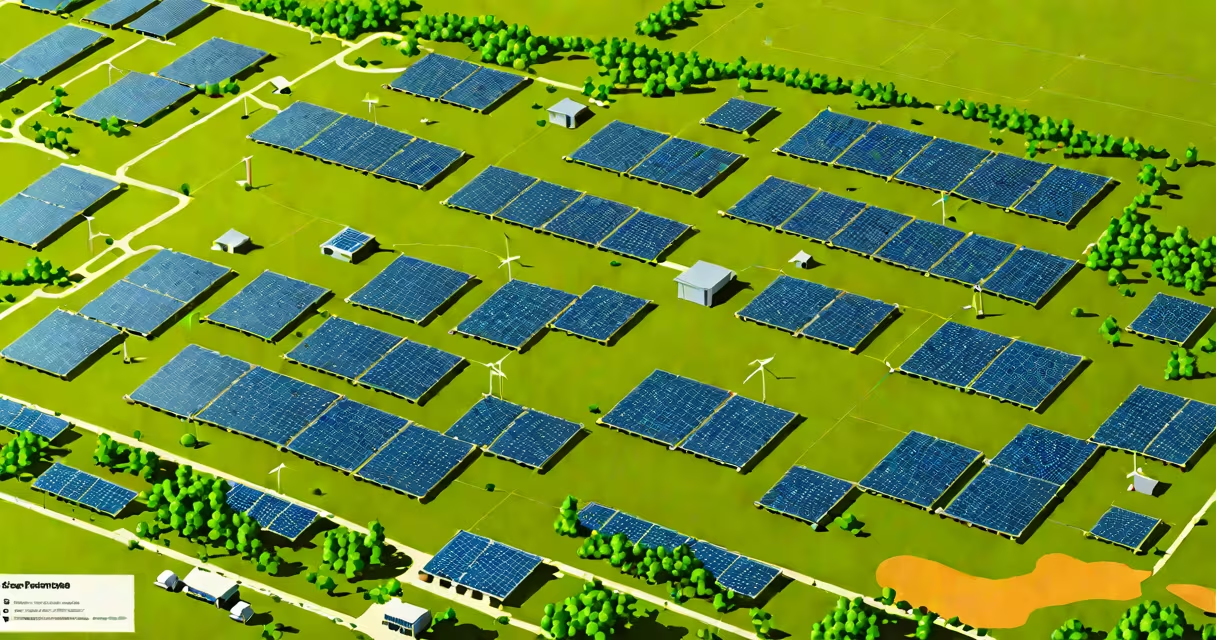
Solar energy reduces greenhouse gas emissions and air pollutants by generating electricity without burning fossil fuels. It lowers dependence on coal and natural gas, which release carbon dioxide and nitrogen oxides during combustion. This shift cuts environmental damage linked to climate change and respiratory illness.
Solar panels convert sunlight into electricity using photovoltaic cells. These cells are typically made from silicon, a semiconductor material that absorbs photons and releases electrons. The flow of electrons creates direct current (DC), which inverters convert into alternating current (AC) for home and grid use. No moving parts or fuel inputs are needed during operation, minimizing mechanical wear and emissions.
According to the U.S. Environmental Protection Agency (EPA), replacing one megawatt-hour of coal-generated electricity with solar power avoids approximately 1,000 pounds of carbon dioxide emissions. Over 25 years, a typical residential solar system prevents roughly 100 tons of CO₂-equivalent to planting 2,500 trees or driving 250,000 fewer miles in a gasoline car.
Solar energy's greatest benefit lies in its absence of operational emissions. Unlike power plants fueled by oil, gas, or coal, solar installations produce no smoke, sulfur dioxide, mercury, or particulate matter while operating. This improves air quality and reduces acid rain formation, protecting forests, lakes, and soil health.
Water conservation is another major advantage. Thermal power plants consume vast amounts of water for cooling-up to 20 gallons per kilowatt-hour. Solar photovoltaic systems require no water during electricity generation. A 1-megawatt solar farm saves about 600,000 gallons of water annually compared to a similar-sized coal plant, according to the National Renewable Energy Laboratory (NREL).
Land use is often misunderstood. While solar farms occupy space, they can coexist with agriculture. Agrivoltaics-the practice of growing crops under elevated solar panels-has shown yields up to 60% higher in some trials due to reduced evaporation and temperature fluctuations. In California, projects like the 200-megawatt Topaz Solar Farm include native pollinator habitat restoration plans, supporting biodiversity.
| Environmental Factor | Solar Energy Impact | Comparison to Fossil Fuels |
|---|---|---|
| CO₂ emissions (per kWh) | 40-50 grams | Coal: 820g; Natural gas: 490g |
| Water use (per kWh) | 0 liters | Coal: 1,100L; Natural gas: 600L |
| Particulate matter (PM2.5) | Zero during operation | Coal: 1.5 mg/kWh; Gas: 0.3 mg/kWh |
One common misconception is that solar panel manufacturing causes more harm than good. While production does involve energy and materials, lifecycle analyses show that solar panels repay their embedded energy within 1.5 to 3 years of operation. After that, they generate net clean energy for decades. A 2021 study by the International Energy Agency (IEA) confirmed that solar PV systems emit 95% less CO₂ over their lifetime than coal-fired power plants.
Some assume solar energy harms wildlife through land conversion. However, properly sited solar projects avoid sensitive habitats. The Bureau of Land Management requires environmental assessments before approving utility-scale solar development on public lands. Projects in Nevada and Arizona now incorporate wildlife corridors and motion-detection systems to reduce bird collisions.
Another myth is that solar panels degrade quickly and create toxic waste. Modern panels last 25-30 years, with degradation rates below 0.5% per year. Recycling programs exist: the European Union's WEEE Directive mandates solar panel recovery, and U.S. companies like First Solar have closed-loop recycling processes that recover 90% of materials, including glass, aluminum, and silver.
In 2022, California's solar capacity exceeded 40 gigawatts, supplying over 20% of the state's electricity. The state's Independent System Operator reported that solar generation displaced 12 million metric tons of CO₂ annually-equal to removing 2.6 million cars from roads. During peak summer months, solar power met nearly half of daytime demand, reducing reliance on peaker plants that burn diesel during high load periods.
I installed a 7-kilowatt rooftop system on my home in San Diego in 2020. The system produces about 10,000 kWh yearly-enough to offset 7.5 tons of CO₂. My utility bill dropped by 80%, and I earned $1,200 in annual credits through net metering. The installation required no drilling into the roof; mounting hardware was designed to preserve waterproof integrity.
Solar energy reduces environmental harm by replacing fossil-fuel-based power with clean, renewable alternatives. Its long-term impact includes lower emissions, reduced water use, and diminished air pollution. As deployment scales globally, solar becomes a critical tool in slowing climate change and preserving ecological balance.