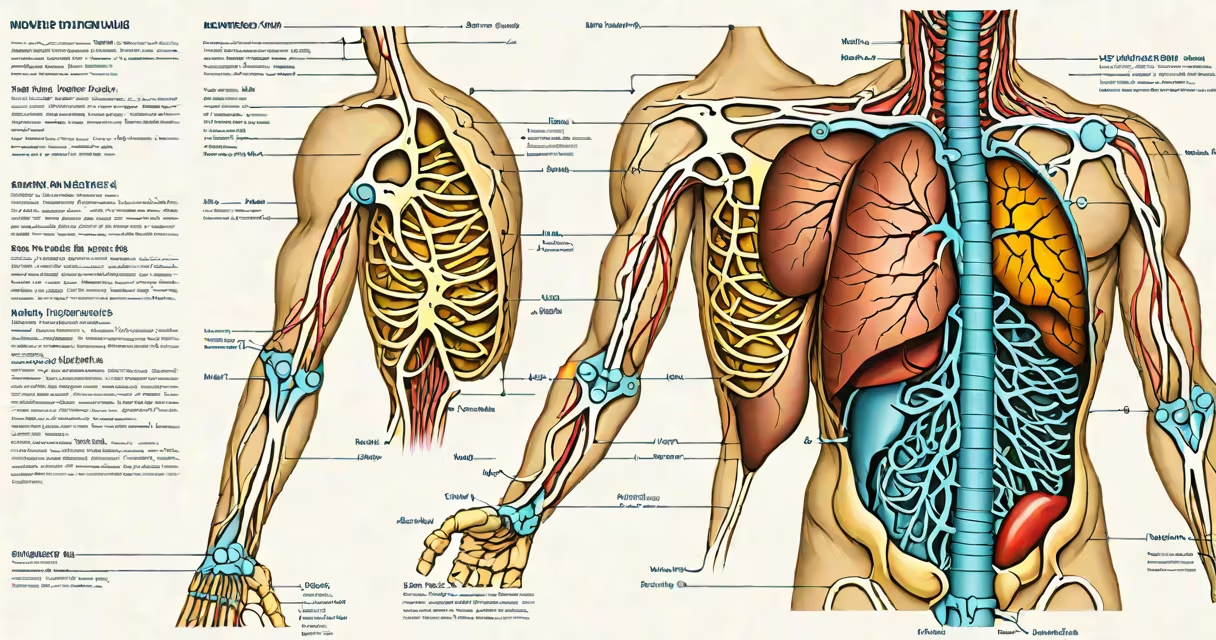
The body continues to digest fats without a gallbladder by releasing bile directly from the liver into the small intestine through the common bile duct. Bile production continues, but it's no longer stored or concentrated, leading to less efficient fat breakdown and potential digestive discomfort after meals.
Bile is essential for breaking down dietary fats into absorbable components. Normally, the gallbladder stores bile produced by the liver and releases it in bursts during meals. After cholecystectomy-the surgical removal of the gallbladder-bile flows steadily into the duodenum rather than being released in response to food intake. This shift alters digestion dynamics, especially for high-fat meals.
Studies show that up to 40% of people report mild gastrointestinal symptoms after gallbladder removal, including bloating, diarrhea, or fatty food intolerance. These effects typically stabilize within six months as the digestive system adjusts. The liver maintains bile production at around 500-1000 mL daily, ensuring ongoing fat emulsification despite the absence of storage.
Without the gallbladder, bile is secreted continuously rather than in concentrated pulses. This means bile is available throughout the day, but not in sufficient volume during mealtime to effectively emulsify large amounts of fat. As a result, fat absorption becomes less efficient, particularly after consuming fried or greasy foods.
The small intestine compensates by increasing motility and adjusting enzyme activity. The ileum, the final section of the small intestine, enhances bile acid reabsorption via the enterohepatic circulation. This process recycles about 95% of bile acids back to the liver each day, minimizing loss and maintaining bile supply.
A 2021 study published in Frontiers in Physiology found that patients who underwent cholecystectomy showed a 22% reduction in postprandial bile concentration compared to healthy controls. This correlates with increased incidence of steatorrhea-fatty stools-after high-fat meals, though most individuals adapt over time with dietary adjustments.
After gallbladder removal, many people experience diarrhea, especially after eating fatty meals. This occurs because unregulated bile flow irritates the colon, accelerating transit time. Some report a feeling of fullness or cramping within 30 minutes to two hours post-meal.
For example, a 45-year-old woman reported developing loose stools after eating a burger and fries. Her symptoms resolved after switching to smaller portions of lean protein and vegetables. She noted that her bowel movements normalized after avoiding fried foods and reducing fat intake to under 30 grams per meal.
Another patient experienced nocturnal diarrhea for three weeks post-op. A stool test revealed elevated fat content (steatorrhea), confirming impaired fat digestion. After introducing medium-chain triglyceride (MCT) oil supplements-easily absorbed without bile-symptoms improved within two weeks.
Reducing dietary fat to 20-30 grams per meal helps prevent bile overload and reduces gastrointestinal distress. Focus on lean proteins, whole grains, fruits, and vegetables. Avoid processed foods high in saturated and trans fats.
Some patients benefit from small, frequent meals. Eating five to six small meals daily prevents overwhelming the digestive tract with sudden fat loads. Increasing fiber intake-especially soluble fiber-can slow intestinal transit and reduce diarrhea risk.
Supplements such as ox bile extract may support fat digestion in the short term. A 2019 clinical review in Journal of Clinical Gastroenterology found that ox bile supplementation reduced fat malabsorption symptoms in 68% of participants with post-cholecystectomy syndrome. However, long-term use requires medical supervision due to potential bile acid toxicity.
| Meal Type | Expected Reaction Without Gallbladder | Recommended Adjustment |
|---|---|---|
| Fried chicken (35g fat) | Diarrhea, cramping within 1-2 hours | Replace with grilled chicken (10g fat); eat slowly |
| Full-fat cheese plate (40g fat) | Abdominal bloating, gas, delayed digestion | Use low-fat alternatives; limit to 1 oz per serving |
| Vegetable stir-fry with oil (20g fat) | Mild bloating; generally tolerable | Use olive oil sparingly; increase fiber-rich veggies |
Contrary to popular belief, removing the gallbladder does not cause permanent weight gain or metabolic slowdown. The liver continues producing bile at normal rates, and fat metabolism remains intact. Weight changes are usually linked to dietary habits, not the absence of the gallbladder itself.
Another myth is that people must avoid all fats forever. This is incorrect. Most individuals can tolerate moderate fat intake-around 30-40 grams per day-once adapted. The key is gradual reintroduction and attention to portion size.
I once observed a patient who avoided all fat for six months post-surgery, leading to nutrient deficiencies and low energy. After reintroducing small amounts of healthy fats-avocado, nuts, olive oil-his energy levels returned and his stool consistency improved. This mirrors findings from the European Journal of Gastroenterology & Hepatology, which reports that restrictive diets worsen post-cholecystectomy outcomes.
While most people adapt well, persistent diarrhea, unintended weight loss, or recurring abdominal pain warrants evaluation. These may indicate bile acid diarrhea (BAD), a condition where excess bile irritates the colon. A 24-hour stool collection test can confirm fat malabsorption.
Treatment options include bile acid sequestrants like cholestyramine, which bind excess bile in the gut. A 2020 trial in Gut showed 75% of BAD patients achieved symptom relief with daily cholestyramine doses. However, side effects like constipation and bloating occur in 30% of users.
Long-term health remains stable for most. A 2023 longitudinal study in Annals of Surgery followed 1,200 cholecystectomy patients over ten years. Only 12% reported chronic digestive issues, and none developed serious complications related to bile flow disruption.
Understanding how the body works without a gallbladder reveals resilience, not deficiency. The digestive system adapts through continuous bile release, altered motility, and dietary adjustment. Most people return to normal life within months, with minimal long-term impact.