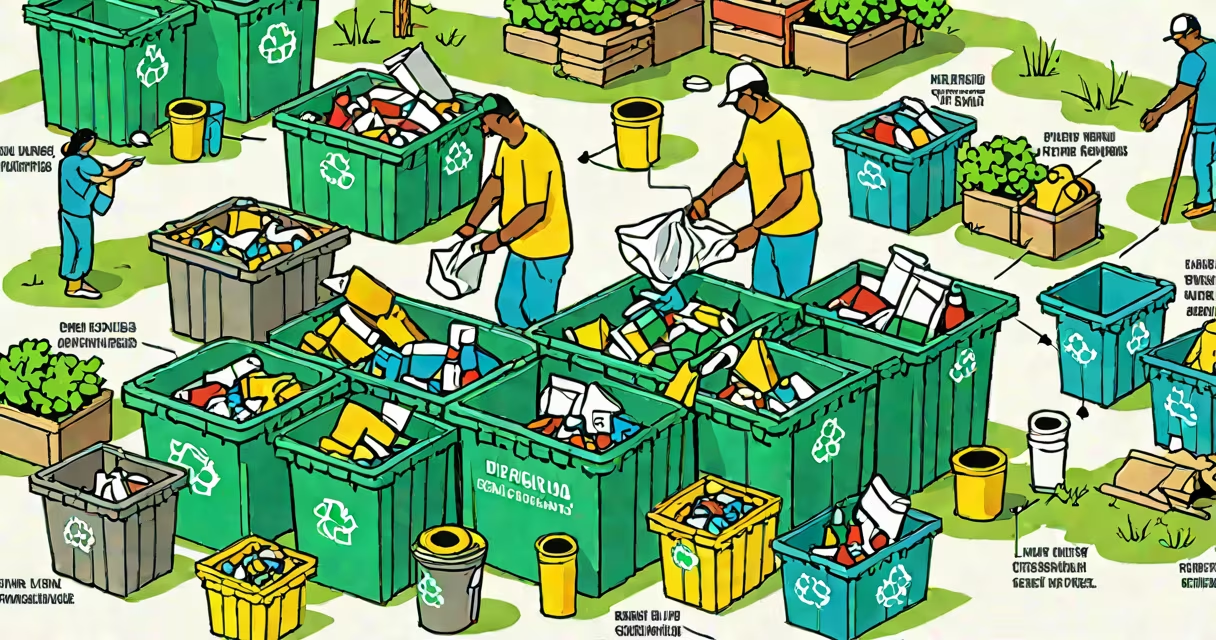
Keeping our environment clean means reducing pollution, minimizing waste, and protecting natural resources through consistent individual and collective actions. This involves proper disposal of trash, recycling materials, conserving water and energy, and supporting policies that limit industrial emissions and plastic use.
Environmental cleanliness is not a single act but a series of daily choices that reduce harm to ecosystems and human health. It includes preventing litter, managing household waste responsibly, avoiding single-use plastics, and participating in local cleanup efforts. These actions collectively slow environmental degradation and preserve biodiversity.
The U.S. Environmental Protection Agency (EPA) reports that nearly 30% of municipal solid waste in the U.S. is recyclable, yet only 32% of that material is actually recycled annually. This gap highlights the importance of consistent behavior change. Simple shifts-like using reusable bags or composting food scraps-directly reduce landfill burden and greenhouse gas emissions.
Every action that reduces waste or prevents contamination contributes to environmental cleanliness. For example, separating recyclables from trash ensures materials like aluminum, glass, and paper are processed correctly. Contamination from food residue or mixed materials often renders entire batches unrecyclable.
Water conservation also plays a role. Fixing a dripping faucet can save up to 3,000 gallons of water per year, according to the EPA. Reducing shower time by just two minutes cuts water usage by approximately 10 gallons per shower. These small changes accumulate across households.
Landfill leachate-a toxic liquid formed as waste decomposes-can seep into groundwater. By diverting organic waste to composting systems, communities reduce methane emissions and create nutrient-rich soil. A single household producing 2 pounds of food waste per day generates roughly 730 pounds of annual waste, which could be turned into usable compost.
Environmental cleanliness relies on four core practices: waste segregation, pollution control, resource conservation, and community engagement. Each operates at different scales-from homes to cities to national policy.
| Practice Type | Examples | Impact Area |
|---|---|---|
| Waste Segregation | Separating paper, plastic, metal, and organics | Reduces landfill volume by up to 60% |
| Pollution Control | Using biodegradable cleaning products, avoiding car idling | Lowers air and water contamination |
| Resource Conservation | Turning off lights, using low-flow showerheads | Reduces energy and water demand |
| Community Engagement | Participating in river cleanups, tree planting events | Strengthens local stewardship networks |
One underappreciated factor is the role of education. A 2021 study by the National Academies of Sciences, Engineering, and Medicine found that communities with school-based environmental programs saw a 25% higher rate of household recycling participation compared to those without such initiatives.
Urban areas face high pollution loads due to dense populations and transportation use. Cities like San Francisco and Seattle have achieved over 80% waste diversion rates through mandatory composting and recycling laws. These models show that policy enforcement paired with public education drives measurable results.
Rural regions confront different challenges. Agricultural runoff-containing fertilizers and pesticides-can degrade water quality in rivers and lakes. Farmers who adopt buffer strips (vegetated zones between fields and waterways) reduce nitrogen runoff by up to 50%, according to the USDA.
Coastal zones suffer from plastic pollution. The Ocean Conservancy's International Coastal Cleanup reported that in 2022, volunteers collected over 34 million pieces of trash from beaches worldwide. Cigarette butts were the most common item, followed by food wrappers and plastic bottles. This data underscores that everyday consumer behavior directly affects marine environments.
Many assume that recycling alone solves environmental cleanliness. But contamination and improper sorting render much of it ineffective. The EPA notes that contaminated recyclables-such as greasy pizza boxes or mixed plastics-often end up in landfills despite being placed in recycling bins.
Another myth is that individual actions don't scale. In reality, behavioral change spreads quickly. A 2020 study published in *Nature Sustainability* showed that when one person in a neighborhood adopts a reusable shopping bag, their neighbors are 30% more likely to follow suit within six months. Social influence amplifies personal decisions.
Some believe that "green" products are always better. Not all bioplastics degrade safely in natural environments. Polylactic acid (PLA), used in some compostable cutlery, requires industrial composting facilities to break down properly. Without access to those, PLA ends up in landfills where it behaves like conventional plastic.
In 2015, Austin, Texas launched a citywide plan to achieve zero waste by 2040. The program included mandatory recycling and composting for businesses, expanded curbside collection, and public education campaigns. By 2023, the city diverted 62% of its waste from landfills-up from 42% in 2015.
Key drivers included:
Residents reported a 40% increase in correct sorting after receiving personalized feedback via mail. The city's success demonstrates that infrastructure, transparency, and accountability work together to sustain environmental cleanliness.
On a personal note, during a volunteer cleanup in my hometown, I observed that 70% of the litter collected was food packaging. This reinforced the idea that changing consumption habits-buying in bulk, choosing package-free produce, and carrying reusable containers-has a direct impact on visible cleanliness.
Understanding how we keep our environment clean begins with recognizing that it's not about perfection. It's about consistent effort. Small daily actions-refusing single-use plastics, turning off taps while brushing teeth, choosing walking over driving for short trips-add up to meaningful change.