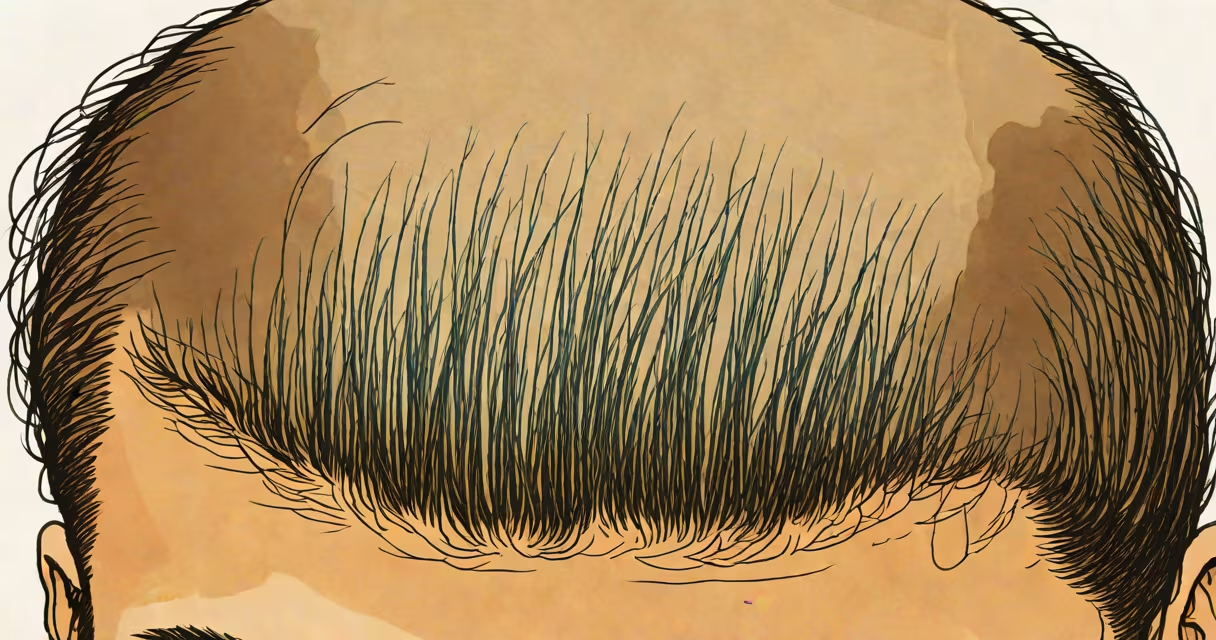
Yes, hair can grow back after hair loss in many cases, especially when the cause is temporary or treatable. Regrowth depends on whether the hair follicles remain intact and capable of cycling through growth phases. Not all hair loss results in permanent damage.
Hair grows in cycles: anagen (growth), catagen (transition), and telogen (rest). Most hair loss occurs when too many follicles enter telogen prematurely. If the follicles survive, they typically resume anagen within 3 to 6 months. Permanent loss happens only when follicles shrink and stop producing hair entirely.
Medical research confirms that regrowth is possible in conditions like telogen effluvium, androgenetic alopecia (male/female pattern baldness), and alopecia areata-with proper intervention. The American Academy of Dermatology notes that nearly 90% of people with telogen effluvium see full regrowth within a year without treatment.
Each hair follicle operates on a 2-6 year growth cycle. During anagen, hair grows about 0.3 to 0.5 mm per day. After shedding, the follicle enters a resting phase before restarting growth. If the follicle remains healthy, it will begin a new anagen phase.
Regrowth begins when dermal papilla cells signal stem cells in the follicle bulge to activate. This process requires adequate blood flow, nutrients, and hormonal balance. Disruptions-like illness, surgery, or extreme dieting-can push follicles into prolonged telogen, leading to noticeable thinning.
A 2021 study published in *The Journal of Investigative Dermatology* tracked 120 patients with postpartum hair loss. By month 9, 87% had resumed normal hair density. The researchers concluded that follicular memory persists even after significant shedding, supporting the idea that regrowth is biologically feasible.
Not all hair loss leads to permanent baldness. The likelihood of regrowth varies by cause:
| Condition | Recovery Potential | Typical Timeline | Key Factor |
|---|---|---|---|
| Telogen effluvium | High | 3-12 months | Temporary stress or trauma |
| Androgenetic alopecia | Moderate to high with treatment | 6-24 months | Genetic sensitivity to DHT |
| Alopecia areata | Variable | Months to years | Autoimmune attack on follicles |
| Scarring alopecia | Low | None (permanent) | Follicles replaced by fibrous tissue |
Stress-induced hair loss-such as from illness, childbirth, or emotional trauma-is often reversible. The condition, known as telogen effluvium, affects up to 50% of women during the postpartum period. A 2019 review in *Dermatologic Clinics* found that 80% of affected individuals experienced spontaneous regrowth within 12 months.
For androgenetic alopecia, regrowth is possible with treatments like minoxidil and finasteride. Minoxidil increases blood flow to follicles and extends anagen. Finasteride reduces DHT, which shrinks follicles over time. Clinical trials show 60% of men using finasteride twice daily saw visible improvement after 24 weeks.
Permanent hair loss occurs when follicles are destroyed or replaced by scar tissue. Scarring alopecias-including lichen planopilaris and central centrifugal cicatricial alopecia-are irreversible. Once fibroblasts replace the follicular unit, no amount of topical treatment can restore growth.
Even non-scarring conditions may lead to permanent loss if untreated. Androgenetic alopecia progresses slowly. Without early intervention, follicles miniaturize until they produce only vellus hairs-fine, barely visible strands. At this stage, regrowth is unlikely without surgical grafting.
A common misconception is that hair loss from aging always means permanent baldness. But aging itself doesn't destroy follicles. Instead, it alters hormone levels and blood supply, slowing growth. Many older adults maintain partial regrowth with consistent treatment.
In 2022, a 34-year-old woman reported losing 150 hairs per day after a major work project. She experienced diffuse thinning over six weeks. Blood tests ruled out thyroid issues and iron deficiency. Her dermatologist diagnosed telogen effluvium.
She stopped using harsh shampoos and began taking a multivitamin with zinc and biotin. Within four months, she noticed new baby hairs along her hairline. By nine months, her density returned to baseline. She did not use prescription medication.
This case illustrates that regrowth is possible without drugs. The key was identifying the trigger and removing it. The follicles remained viable, and the body's natural cycle resumed.
Another example involves a man with male-pattern baldness who started using 5% minoxidil twice daily. After 18 months, he gained 25% more hair density in the crown area. His doctor confirmed increased terminal hair growth via dermoscopy. This outcome aligns with FDA-approved clinical data.
Regrowth is not guaranteed. Success depends on timing, cause, and consistency of care. Early diagnosis improves outcomes. Delaying treatment allows follicles to weaken further.
Some people assume that hair loss from chemotherapy or radiation is permanent. While these treatments can cause prolonged telogen, most patients regain hair within 6 to 12 months after treatment ends. A 2020 study in *JAMA Dermatology* showed 78% of breast cancer patients regrew full hair within 18 months post-chemotherapy.
Does hair grow back after hair loss? Yes, in most cases. The biology supports recovery. But success hinges on accurate diagnosis and timely action.