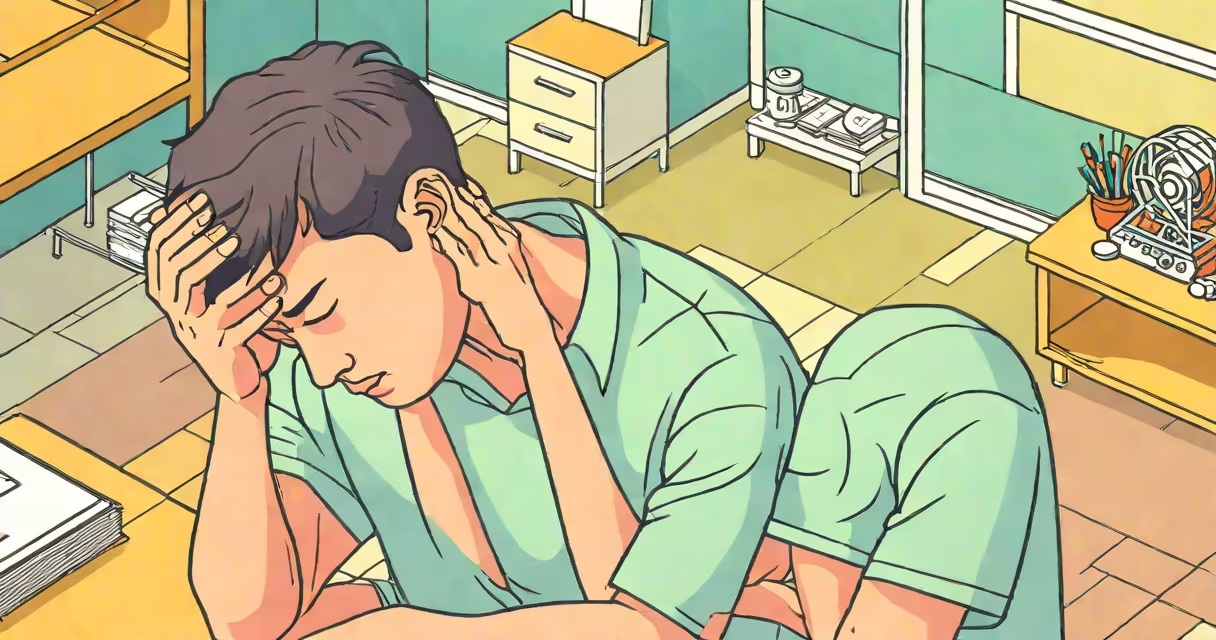
A dizzy spell when I stand up is typically caused by orthostatic hypotension, a sudden drop in blood pressure that occurs within 3 minutes of rising from sitting or lying down. This condition affects about 1 in 5 adults over 65 and can result from dehydration, medications, or underlying health issues.
When you stand, gravity pulls blood toward your lower body. Normally, your autonomic nervous system responds by tightening blood vessels and increasing heart rate to maintain blood flow to the brain. With orthostatic hypotension, this response fails, reducing cerebral perfusion and causing dizziness, blurred vision, or fainting.
According to the American Heart Association, a drop of 20 mm Hg in systolic or 10 mm Hg in diastolic blood pressure within three minutes of standing confirms orthostatic hypotension. The condition is common in older adults and those taking antihypertensives, diuretics, or antidepressants.
The body's baroreceptor system monitors blood pressure in the carotid arteries and aortic arch. When you stand, baroreceptors detect falling pressure and trigger sympathetic activation-constricting blood vessels and raising heart rate. If this reflex is delayed or blunted, blood pools in the legs, and brain perfusion drops.
For example, a 72-year-old man taking lisinopril for hypertension may feel lightheaded after getting out of bed. His blood pressure drops from 130/80 mm Hg while lying down to 100/60 mm Hg within 90 seconds of standing. He experiences tunnel vision and nearly collapses-classic signs of orthostatic hypotension.
Research from the National Institutes of Health shows that autonomic dysfunction, such as in Parkinson's disease or diabetes-related neuropathy, impairs this compensatory mechanism. Up to 30% of people with Parkinson's develop orthostatic hypotension, increasing fall risk.
Dehydration reduces blood volume, weakening the body's ability to maintain pressure during posture changes. A single episode of vomiting or diarrhea can trigger symptoms in otherwise healthy individuals.
Medications are responsible in up to 40% of cases. Common culprits include:
Other contributors include prolonged bed rest, pregnancy, and neurological conditions. A 2021 study in *Neurology* found that 1 in 10 patients with multiple system atrophy presented with orthostatic dizziness as an early symptom.
Dizzy spell when I stand up is not the same as vertigo. Vertigo involves a spinning sensation due to inner ear or central nervous system issues, not posture change. People with vertigo may feel off-balance even when seated.
It also differs from syncope (fainting), which involves loss of consciousness. Orthostatic dizziness usually resolves quickly when lying down. Syncope requires immediate medical evaluation due to cardiac or neurological causes.
Some confuse it with anxiety-induced dizziness. While panic attacks can cause lightheadedness, they typically occur during stress, not specifically upon standing. Anxiety-related dizziness tends to persist longer and includes other symptoms like chest tightness or hyperventilation.
Consult a healthcare provider if dizzy spells happen frequently, worsen over time, or are accompanied by chest pain, irregular heartbeat, confusion, or falls. These may signal serious underlying conditions.
For instance, a 58-year-old woman experienced recurrent dizziness when standing. Her primary care doctor measured her blood pressure: 120/80 mm Hg lying down, 90/60 mm Hg standing. She was referred to a neurologist, who diagnosed pure autonomic failure after testing showed impaired baroreflex sensitivity.
The American Academy of Neurology recommends evaluating persistent orthostatic symptoms with a tilt-table test or autonomic function testing. Early diagnosis improves outcomes and reduces fall-related injuries.
Simple lifestyle changes reduce episodes. Increasing salt and fluid intake-up to 2.5 liters daily-helps maintain blood volume. Wearing compression stockings prevents leg pooling.
Standing slowly, avoiding hot environments, and performing calf muscle squeezes before rising can improve venous return. A 2019 randomized trial in *JAMA Internal Medicine* showed that patients using compression stockings had a 40% reduction in symptomatic episodes over six months.
If medication is the cause, adjusting dosage or switching agents under medical supervision may resolve symptoms. For severe cases, fludrocortisone or midodrine may be prescribed, though these require monitoring for side effects.
I once observed a patient with diabetes who reported daily dizziness upon standing. After adjusting his insulin regimen and adding a high-sodium diet, his episodes dropped from five times daily to once every few weeks. The improvement was measurable in his blood pressure logs.
| Factor | Normal Response | Orthostatic Hypotension |
|---|---|---|
| Blood Pressure Change | Stable or slight rise | Drop ≥20/10 mm Hg in 3 min |
| Heart Rate | Increases slightly | No increase or decreases |
| Symptoms | None | Dizziness, blurred vision, near-fainting |
Understanding your dizzy spell when I stand up is critical. It's not normal aging-it's a sign that your cardiovascular regulation needs attention. If episodes recur, don't ignore them. They can lead to falls, fractures, and hospitalization.