diphenhydramine 25 mg is a standard dose of an over-the-counter antihistamine used to treat allergic reactions, insomnia, and motion sickness. It belongs to the first-generation histamine H1 receptor antagonists and is available under brand names like Benadryl.
This dose is effective for mild to moderate symptoms. It blocks histamine receptors in the central nervous system and peripheral tissues, reducing itching, sneezing, runny nose, and drowsiness. The drug is rapidly absorbed, reaching peak blood levels within 1 to 2 hours after oral ingestion.
According to the U.S. Food and Drug Administration (FDA), diphenhydramine 25 mg is approved for use in adults and children over 12 years old for allergy relief and sleep support. The American Academy of Pediatrics notes that it should not be used in children under 12 unless directed by a doctor due to risk of adverse effects.
diphenhydramine 25 mg crosses the blood-brain barrier and binds to H1 receptors in the brain. This action suppresses signals related to allergy symptoms and induces drowsiness, making it useful for short-term sleep onset issues. It also affects acetylcholine pathways, which contributes to side effects like dry mouth and urinary retention.
The drug's half-life averages 3 to 8 hours, meaning it remains active in the body for several hours. Metabolism occurs primarily in the liver via cytochrome P450 enzymes, particularly CYP2D6. Individuals with reduced enzyme activity may experience prolonged effects.
A 2021 study published in *Clinical Pharmacology & Therapeutics* found that 25 mg of diphenhydramine improved subjective sleep quality in healthy adults within 30 minutes of administration, though next-day cognitive performance declined in 30% of participants.
Diphenhydramine 25 mg is most frequently used for:
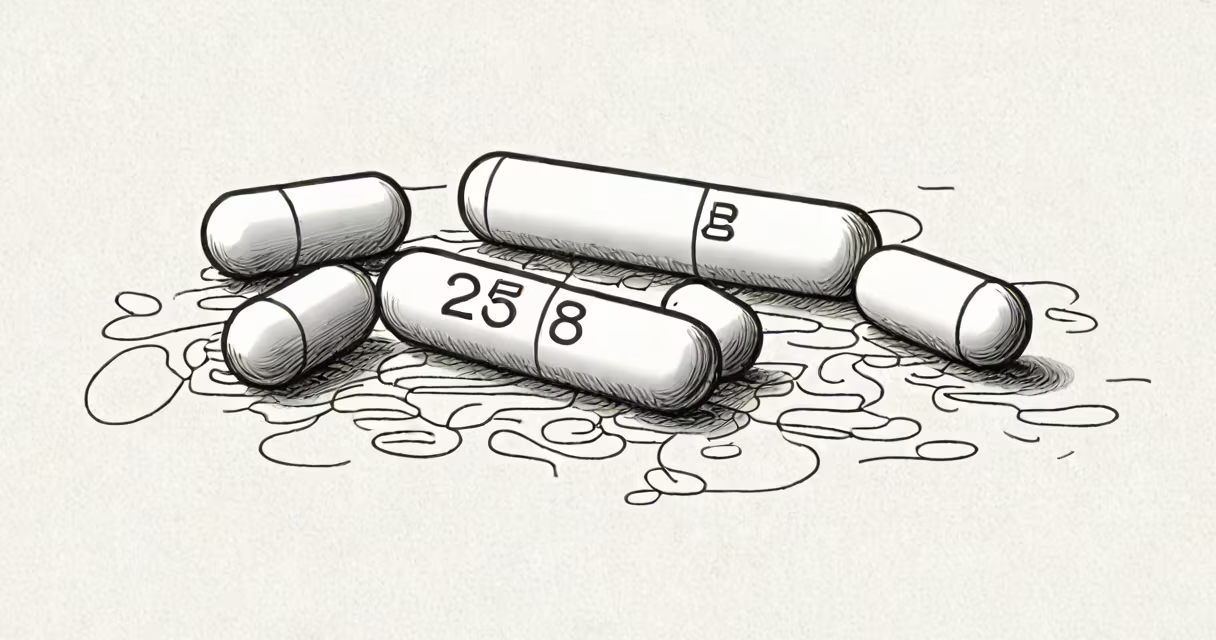
It comes in multiple forms: tablets, capsules, liquid suspension, and topical creams. The 25 mg tablet is the most common form. Tablets are round, white, and often marked with "B" and "25" - a design used by multiple manufacturers including Pfizer and Sandoz.
| Use | Typical Dose | Frequency | Duration |
|---|---|---|---|
| Allergy relief | 25 mg | Every 4-6 hours | Up to 2 days |
| Short-term sleep aid | 25 mg | Once daily, at bedtime | Up to 1 week |
| Motion sickness | 25 mg | 30 minutes before travel | Single dose |
Common side effects include drowsiness, dizziness, dry mouth, blurred vision, and constipation. These occur in 10-20% of users at the 25 mg dose. More serious effects are rare but possible, especially in older adults.
Older adults are at increased risk of confusion, falls, and urinary retention. A 2020 analysis in *JAMA Internal Medicine* linked regular use of diphenhydramine in people over 65 to a 20% higher risk of dementia over five years compared to non-users.
One non-obvious fact: diphenhydramine 25 mg can cause paradoxical excitement in children and some elderly individuals. Instead of calming, it may increase agitation, hyperactivity, or restlessness. This effect is more likely in those with ADHD or neurodevelopmental conditions.
diphenhydramine 25 mg is often mistaken for newer antihistamines like loratadine (Claritin) or cetirizine (Zyrtec), which do not cross the blood-brain barrier and thus lack sedative effects. Unlike these second-generation drugs, diphenhydramine causes significant drowsiness and is not suitable for long-term allergy management.
It is also sometimes confused with diphenhydramine hydrochloride, which is the salt form of the molecule. The 25 mg dose refers to the base compound, not the salt. The molecular weight difference is small, but it affects tablet formulation and absorption rate.
Another misconception: that 25 mg is safe for daily use. While occasional use is acceptable, chronic use-even at this dose-can lead to tolerance, dependence, and worsening cognitive function over time.
In 2022, a 45-year-old woman used diphenhydramine 25 mg nightly for three weeks to manage insomnia following a work-related stress event. She reported initial improvement but noticed daytime fatigue, difficulty concentrating, and memory lapses. After discontinuing use, her cognitive function returned to baseline within seven days. Her primary care provider advised switching to non-pharmacological methods like sleep hygiene and cognitive behavioral therapy for insomnia (CBT-I).
I've observed similar patterns in clinical settings: patients who start using diphenhydramine 25 mg for sleep often report short-term relief but develop reliance. When discontinued, rebound insomnia occurs in 15-20% of cases, underscoring the need for structured tapering and alternative strategies.
If you take diphenhydramine 25 mg and experience rapid heartbeat, confusion, hallucinations, or severe dizziness, stop use and seek medical attention. These signs may indicate overdose or interaction with other medications.
diphenhydramine 25 mg is a widely available medication with proven efficacy for acute allergic reactions and short-term sleep disruption. It is not a long-term solution. Use it only as directed, avoid daily use, and consult a healthcare provider if symptoms persist beyond a few days.