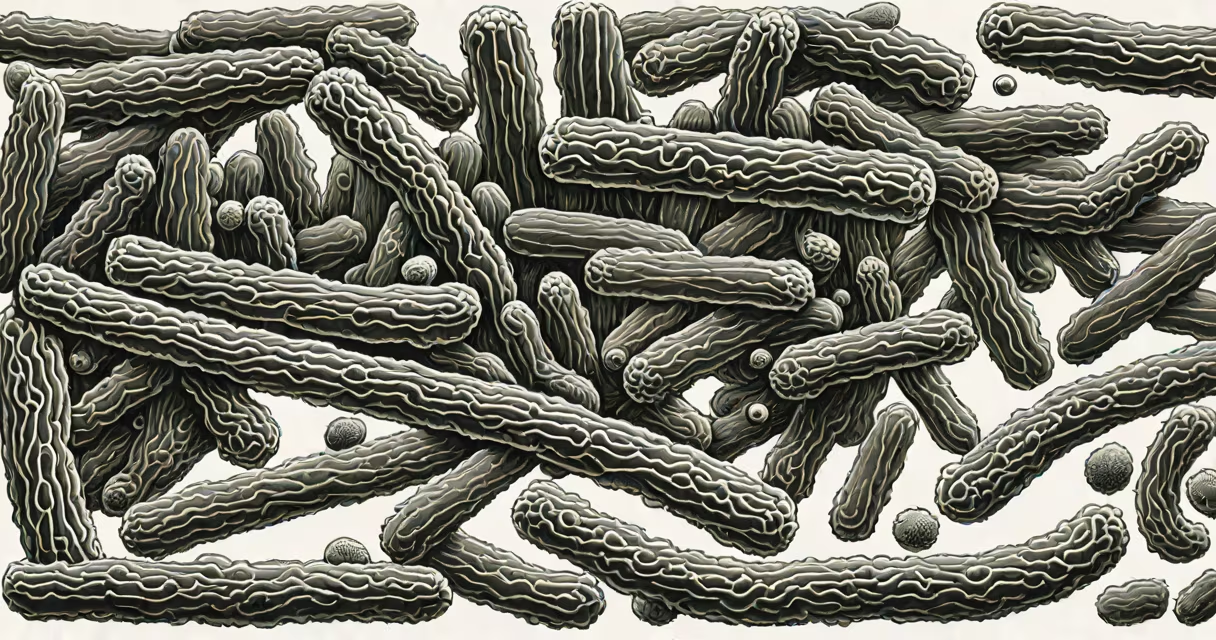
Common illnesses caused by bacteria are infections triggered by pathogenic microorganisms that invade human tissues, multiply, and disrupt normal bodily functions. These conditions range from mild respiratory symptoms to life-threatening systemic infections and often require antibiotics for effective treatment.
Bacteria are single-celled prokaryotes that reproduce rapidly under favorable conditions. Unlike viruses, they can survive independently and grow in diverse environments, including the human gut, skin, and mucous membranes. When harmful strains breach protective barriers-such as the respiratory lining or intestinal wall-they initiate infection. The immune system responds with inflammation, fever, and tissue repair, but bacterial toxins and invasion mechanisms can overwhelm defenses.
Examples include streptococcal pharyngitis (strep throat), urinary tract infections (UTIs), and Salmonella-induced gastroenteritis. These illnesses are widespread, with the World Health Organization estimating that bacterial infections cause over 1.7 million deaths annually worldwide. Not all bacteria are dangerous-many live harmlessly or beneficially in the body-but pathogenic species pose significant health risks when unchecked.
Bacterial illnesses begin when virulent strains enter the body through contaminated food, airborne droplets, skin wounds, or sexual contact. Once inside, they adhere to host cells using surface proteins, then secrete enzymes and toxins that damage tissue and evade immune detection. For example, Streptococcus pyogenes produces streptolysin, a toxin that lyses red blood cells and weakens local defenses.
The incubation period varies by organism. Shigella dysenteriae, responsible for shigellosis, may cause symptoms within 12 to 72 hours after ingestion. In contrast, Mycobacterium tuberculosis can remain dormant for years before activating into active pulmonary disease. During this time, the bacterium alters macrophage function, allowing it to replicate undetected.
Diagnosis typically involves culturing samples from blood, urine, sputum, or stool. Rapid antigen tests detect specific bacterial proteins, such as those in group A streptococcus. PCR testing identifies bacterial DNA sequences with high sensitivity. Without timely intervention, some infections progress to sepsis-a systemic inflammatory response that can lead to organ failure and death.
Several bacterial illnesses are frequently diagnosed in clinical settings. The most prevalent include respiratory, gastrointestinal, and sexually transmitted infections. Each has distinct transmission routes, symptom profiles, and treatment protocols.
| Infection Type | Primary Bacterium | Transmission Route | Typical Symptoms | Treatment |
|---|---|---|---|---|
| Streptococcal pharyngitis | Streptococcus pyogenes | Airborne droplets | Sore throat, fever, swollen lymph nodes | Penicillin or amoxicillin |
| Urinary tract infection | Escherichia coli | Ascending from rectal flora | Burning urination, frequent urge, lower abdominal pain | Trimethoprim-sulfamethoxazole or nitrofurantoin |
| Salmonellosis | Salmonella enterica | Contaminated poultry, eggs, or produce | Diarrhea, cramps, fever, vomiting | Fluid replacement; antibiotics only if severe |
| Tuberculosis | Mycobacterium tuberculosis | Aerosolized particles from coughing | Chronic cough, night sweats, weight loss, hemoptysis | Multi-drug regimen over 6-9 months |
| Chlamydia | Chlamydia trachomatis | Sexual contact | Often asymptomatic; may cause discharge or pelvic pain | Doxycline or azithromycin |
Some infections are more likely to develop complications. Untreated strep throat can lead to rheumatic fever, an autoimmune condition affecting heart valves. Recurrent UTIs may indicate underlying anatomical issues or diabetes. Foodborne illnesses like Campylobacteriosis are linked to poultry contamination and can trigger Guillain-Barré syndrome in rare cases.
Many people assume all bacterial infections require antibiotics. This is incorrect. Antibiotics are ineffective against viral infections and unnecessary for mild bacterial cases. Overuse contributes to antimicrobial resistance, a growing public health threat. According to the CDC, over 2.8 million antibiotic-resistant infections occur annually in the U.S., resulting in more than 35,000 deaths.
Another misconception is that all bacteria are harmful. The human microbiome contains trillions of commensal bacteria essential for digestion, immunity, and nutrient synthesis. For example, Lactobacillus species in the gut prevent colonization by pathogens like Clostridioides difficile. Disrupting this balance with broad-spectrum antibiotics increases the risk of secondary infections.
Some bacterial illnesses mimic viral syndromes. Influenza-like illness (ILI) affects millions each year, but distinguishing between influenza and bacterial pneumonia requires clinical evaluation. Misdiagnosis leads to delayed treatment and higher mortality. A 2021 study published in *The Lancet Infectious Diseases* found that nearly 40% of pneumonia cases initially treated as viral were later confirmed as bacterial.
In 2006, a multi-state outbreak of Escherichia coli O157:H7 was traced to bagged spinach. The strain produced Shiga toxin, which damages intestinal endothelial cells and can cause hemolytic uremic syndrome (HUS)-a form of kidney failure. Over 200 people became ill, with 36 requiring hospitalization and one child dying.
Public health officials used whole-genome sequencing to match isolates from patients and contaminated product. The FDA issued a recall, and the industry adopted stricter washing protocols. This event highlighted how a single contaminated batch can trigger widespread illness, especially when the pathogen is highly toxic and low-dose infectious.
Testing showed that as few as 10 viable cells of E. coli O157:H7 could cause illness. This underscores the importance of hygiene in food processing and consumer handling. Washing produce under running water reduces but does not eliminate risk-pathogens can adhere to leaf surfaces or penetrate damaged tissue.
Common illnesses caused by bacteria warrant medical attention if symptoms persist beyond 48 hours, worsen, or include high fever (>102°F/39°C), difficulty breathing, or signs of dehydration. Children, older adults, and immunocompromised individuals are at higher risk for severe outcomes.
Self-treatment with over-the-counter remedies may delay proper diagnosis. For example, treating a persistent sore throat with lozenges instead of seeking a rapid strep test increases the chance of developing post-streptococcal glomerulonephritis, a kidney disorder linked to untreated infections.
If you suspect a bacterial illness, consult a healthcare provider. They can perform targeted testing and prescribe appropriate antibiotics. Avoid sharing medication or using leftover prescriptions-this promotes resistance and reduces effectiveness.