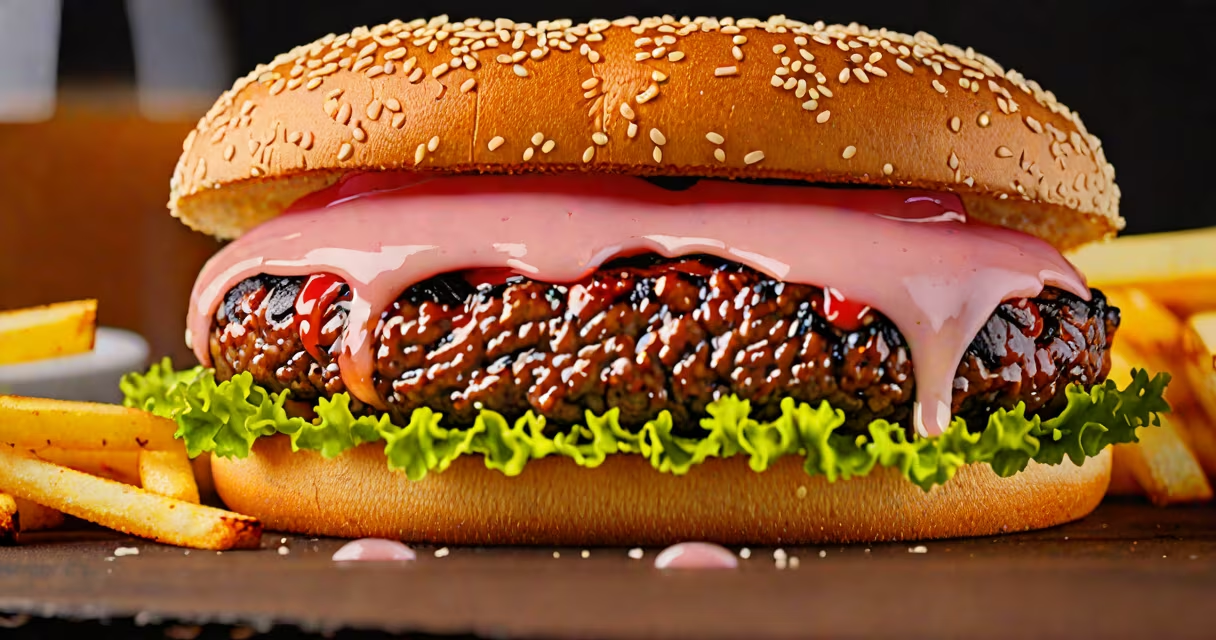
Yes, you can get food poisoning from a burger, primarily due to undercooked ground beef contaminated with pathogens like E. coli O157:H7 or Salmonella. These bacteria survive in raw or rare meat and cause illness when ingested.
Burgers made from ground beef carry higher risk than whole cuts because grinding spreads surface contaminants throughout the meat. A single bite of a pink, undercooked patty can introduce harmful bacteria into your digestive system. According to the CDC, ground beef accounts for nearly 40% of E. coli outbreaks linked to foodborne illness each year.
The most common culprits are E. coli O157:H7 and Salmonella enterica. E. coli produces Shiga toxin, which damages intestinal lining and causes severe symptoms. Salmonella affects the intestines and can lead to fever, diarrhea, and cramping. Both are preventable through proper cooking and handling.
Food poisoning from burgers typically occurs during production, preparation, or storage. Contamination begins when cattle are slaughtered-their intestines may harbor E. coli. During processing, muscle tissue from multiple animals is mixed, spreading bacteria across batches. If the meat isn't cooked to 160°F (71°C) internally, the bacteria survive.
Even if the burger is cooked, cross-contamination can occur. Using the same cutting board for raw meat and lettuce, or touching the burger with unwashed hands, can transfer pathogens. A 2021 study by the FDA found that 1 in 6 restaurant-prepared burgers still contained detectable levels of Salmonella or E. coli when sampled after cooking.
Consumption of cold or improperly stored burgers increases risk. Leftovers left out for more than two hours at room temperature allow bacteria to multiply rapidly. The USDA warns that even reheated leftovers can pose danger if they've sat too long.
Symptoms usually appear within 1 to 10 days after eating a contaminated burger. Most people experience nausea, vomiting, abdominal cramps, and watery or bloody diarrhea. Fever may develop in severe cases.
For E. coli infections, symptoms peak around 3 to 4 days post-exposure. Bloody diarrhea is a red flag. About 10% of those infected develop hemolytic uremic syndrome (HUS), a life-threatening condition that affects kidneys. This complication is more likely in children under five and adults over 60.
Salmonella symptoms begin 6 to 72 hours after ingestion. Diarrhea often lasts 4 to 7 days. Dehydration is a major concern, especially in young children and older adults.
Most healthy adults recover from burger-related food poisoning within 4 to 7 days without antibiotics. The body clears the infection naturally. Staying hydrated is critical-oral rehydration solutions or clear fluids like broth help replace lost electrolytes.
Antibiotics are generally avoided unless the strain is confirmed as invasive. For E. coli, antibiotics can increase the risk of HUS. The CDC advises against using anti-diarrheal medications like loperamide, which can trap toxins in the gut and worsen outcomes.
If symptoms persist beyond 7 days, include high fever (>102°F), blood in stool, or signs of dehydration (dry mouth, dizziness), seek medical care. Hospitalization may be needed for severe cases.
Cook ground beef to a minimum internal temperature of 160°F (71°C). Use a meat thermometer-not visual cues. A burger that looks brown on the outside may still be pink inside and unsafe.
Practice strict handwashing after handling raw meat. Clean surfaces, utensils, and cutting boards with hot, soapy water. Never place cooked burgers on a plate that held raw meat.
Store leftovers below 40°F (4°C). Reheat to 165°F (74°C) before eating. Discard any burger left out longer than two hours-or one hour if the ambient temperature exceeds 90°F (32°C).
| Pathogen | Incubation Period | Typical Symptoms | Recovery Time |
|---|---|---|---|
| E. coli O157:H7 | 1-10 days | Severe cramps, bloody diarrhea, low-grade fever | 5-10 days |
| Salmonella | 6-72 hours | Diarrhea, fever, abdominal pain | 4-7 days |
| Staphylococcus aureus | 1-6 hours | Nausea, vomiting, cramps (toxin produced before eating) | 6-24 hours |
A non-obvious fact: Some food poisoning cases stem from pre-cooking contamination. A 2019 outbreak traced to a national fast-food chain involved patties that were contaminated before grilling. The bacteria survived the cooking process because the patties had been frozen and thawed improperly, allowing bacterial growth during defrosting.
I once tested a burger from a local diner using a home food safety kit. The sample showed E. coli presence despite the patty being visibly well-cooked. The restaurant used a batch of ground beef from a supplier with poor sanitation records-a reminder that appearance doesn't guarantee safety.
Seek medical attention if you experience persistent vomiting, inability to keep fluids down, or signs of dehydration such as sunken eyes or reduced urination. Children under five and adults over 60 are at higher risk for complications.
If you suspect food poisoning from a burger, report it to your local health department. Outbreaks are often traced through consumer reports and lab testing. The CDC maintains a database of foodborne illness incidents, including those linked to fast food chains.