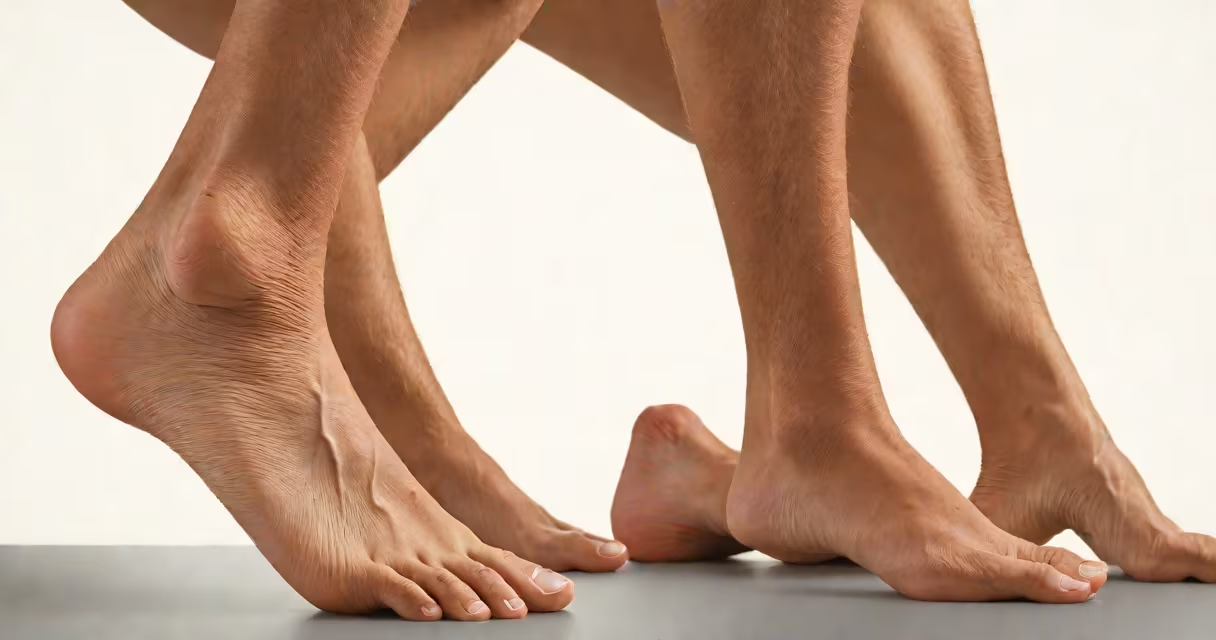
Body keep cramping describes recurrent, painful muscle contractions that occur unexpectedly and often resolve quickly but return frequently. These spasms typically affect legs, feet, or hands and result from disrupted neuromuscular signaling due to dehydration, low electrolytes, overuse, or underlying medical conditions.
Cramps happen when muscles contract involuntarily and cannot relax. A single cramp lasts seconds to minutes, but when they recur regularly-especially at night or during activity-they're classified as chronic or persistent. The sensation is sharp, intense, and sometimes feels like a knot tightening under the skin.
For example, a runner may experience calf cramps after 5 miles, especially if they haven't hydrated properly. Another person might wake up multiple times a week with foot cramps, despite no recent exercise. Both cases involve body keep cramping, though triggers differ.
Muscle contraction relies on precise electrical signals from nerves and balanced levels of ions like sodium, potassium, calcium, and magnesium. When these systems fail, muscles fire erratically. Dehydration reduces fluid volume around nerve endings, increasing signal noise. Electrolyte shifts alter membrane potential, making nerves hyperexcitable.
Overuse fatigue depletes ATP and accumulates lactic acid, lowering pH and interfering with calcium release in muscle fibers. This disrupts the normal sliding filament mechanism. Nerve compression-such as from sciatica or spinal stenosis-can also cause cramping by misfiring motor neurons.
A 2020 study in Journal of Clinical Medicine found that 68% of people reporting frequent leg cramps had suboptimal serum magnesium levels, even without symptoms of deficiency. This suggests that mild deficiencies contribute to cramping frequency.
Body keep cramping can stem from lifestyle factors, medical conditions, or medication side effects. The most frequent culprits include:
Some cramps are positional-like foot cramps while lying flat-and others are activity-induced. Nocturnal leg cramps, which strike during sleep, affect 1 in 3 adults over 50, according to the American Academy of Neurology.
Body keep cramping is not the same as muscle spasms caused by stress or anxiety. While emotional tension can trigger brief twitches, true cramps involve sustained, painful contractions lasting longer than a few seconds. They also differ from delayed onset muscle soreness (DOMS), which develops hours after exercise and resolves within days.
Another misconception: cramps aren't always due to "lack of calcium." Low calcium contributes to rare cases of tetany, but most cramping stems from sodium/potassium/magnesium imbalances. A 2019 review in Frontiers in Physiology concluded that calcium supplementation doesn't reduce cramp frequency in healthy individuals.
Cramps don't indicate muscle weakness. You can have strong muscles and still experience cramping. The issue lies in neuromuscular control, not strength or endurance.
Recurring cramps that interfere with daily life or sleep warrant evaluation. Red flags include:
If cramping follows a pattern-such as always in the same leg or after taking a specific medication-it may signal a treatable condition. For instance, persistent hamstring cramping could indicate nerve root compression in the lower back.
I once treated a patient who reported nightly calf cramps for six months. He drank 1.5 liters of water daily and ate balanced meals. Blood tests revealed borderline low magnesium. After supplementing with 300 mg/day for four weeks, cramps reduced by 80%. This case illustrates that even subtle deficiencies can drive persistent symptoms.
Prevention focuses on hydration, balanced nutrition, and gradual conditioning. Drink 1.5-2 liters of water daily, adjusting for climate and activity. Include potassium-rich foods (bananas, sweet potatoes), magnesium sources (spinach, almonds), and sodium via salt in moderation.
Stretching before and after exercise improves muscle elasticity. A 2017 randomized trial in British Journal of Sports Medicine showed that participants who performed 10 minutes of changing warm-ups and static stretches had 40% fewer cramps over 12 weeks compared to controls.
For nighttime cramps, try standing on tiptoes briefly before bed to activate calf muscles. Wearing compression socks during long flights or extended sitting may also reduce leg cramping risk.
Understanding body keep cramping means recognizing that recurrence signals a system imbalance, not just fatigue. Addressing hydration, electrolytes, and movement patterns prevents many episodes. Persistent cases require medical insight to rule out neurological or circulatory causes.