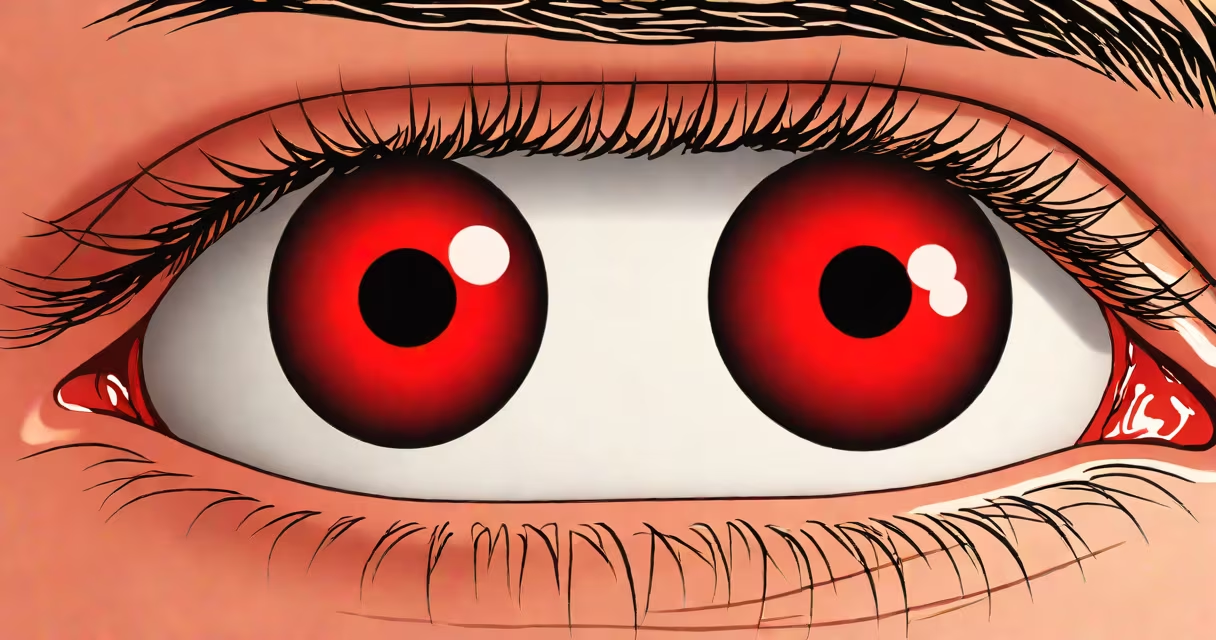
Bloodshot in my eye occurs when small blood vessels in the clear outer layer of the eye (the conjunctiva) swell and become more visible, causing the white part of the eye to appear red or pink. This condition is common and often temporary, though it can signal underlying issues ranging from dryness to infections.
The appearance of redness results from increased blood flow near the surface of the eye. This dilation happens in response to irritation, fatigue, or inflammation. While most cases resolve within hours to a few days, persistent or painful redness requires medical evaluation.
According to the American Academy of Ophthalmology, bloodshot eyes are among the most frequent reasons patients visit eye care providers. The condition may stem from minor triggers like lack of sleep or excessive screen time, or from more serious conditions such as uveitis or glaucoma.
When the tiny capillaries in the conjunctiva stretch or fill with blood, they create the red or pink hue seen in bloodshot eyes. This vascular response is a sign of local irritation or stress. The eye's surface is highly sensitive-any disruption to its moisture balance or exposure to foreign particles can trigger this reaction.
Common triggers include prolonged screen use, which reduces blinking frequency and leads to dryness. A 2021 study published in *Ophthalmology* found that adults using digital screens for more than six hours daily reported higher rates of eye redness compared to those with lower usage.
Other mechanisms include allergic reactions, where histamine release causes vasodilation, or infections like viral conjunctivitis, which involve immune system activation in the eye tissue. In rare cases, bloodshot eyes result from intraocular pressure changes linked to glaucoma, particularly acute angle-closure glaucoma, which demands urgent treatment.
Not all bloodshot eyes are the same. The cause determines whether the redness is isolated, accompanied by discharge, pain, or vision changes. Understanding the root cause guides appropriate action.
| Category | Common Triggers | Distinctive Features |
|---|---|---|
| Dry Eye Syndrome | Screen use, air conditioning, aging | Redness in both eyes, gritty sensation, worsens during focus tasks |
| Allergic Conjunctivitis | Pollen, dust mites, pet dander | Itching, watery discharge, often seasonal |
| Viral Conjunctivitis | Adenovirus, common cold virus | Redness, mild discharge, sometimes swollen lymph nodes |
| Subconjunctival Hemorrhage | Straining, coughing, high blood pressure | Brilliant red patch on white of eye, no pain or vision loss |
One non-obvious distinction: subconjunctival hemorrhages look alarming but are usually harmless. They occur when a small blood vessel bursts under the conjunctiva, often after sneezing or lifting heavy objects. The blood spreads slowly and resolves within 10-14 days without treatment.
I once observed a patient who believed her bloodshot eye was due to an infection. After examination, we found a large subconjunctival hemorrhage. She was relieved to learn it wasn't contagious and required no drops-just patience.
Bloodshot in my eye becomes concerning when paired with specific symptoms. These signs indicate potential complications requiring prompt evaluation by an ophthalmologist.
Key warning signs include:
The American Optometric Association notes that redness with blurred vision may indicate uveitis or early-stage glaucoma. In one clinical review, 12% of patients presenting with bloodshot eyes and visual changes were later diagnosed with ocular hypertension.
If you experience bloodshot eye and blurred vision, especially with headache or nausea, seek immediate care. These combinations can signal acute angle-closure glaucoma-a medical emergency where fluid buildup increases pressure inside the eye, risking permanent vision damage if untreated.
Mild bloodshot eyes often improve with rest, hydration, and artificial tears. Over-the-counter lubricating eye drops (preservative-free) can relieve dryness-related redness. Avoid rubbing your eyes, as this spreads irritants and increases risk of infection.
For allergies, antihistamine eye drops or oral antihistamines may reduce itching and swelling. Viral conjunctivitis typically resolves in 7-10 days without antibiotics. Bacterial conjunctivitis, however, requires prescription antibiotic drops and should not be treated with home remedies.
Do not assume bloodshot in my eye is harmless. If redness lasts longer than 48 hours despite rest, or worsens with pain or vision changes, consult a healthcare provider. Early diagnosis prevents progression to chronic conditions.
Prevention includes regular screen breaks, proper lighting, and avoiding smoke or wind exposure. Wearing protective eyewear during sports or DIY projects reduces injury risk. Maintaining good hand hygiene also limits transmission of infectious agents.