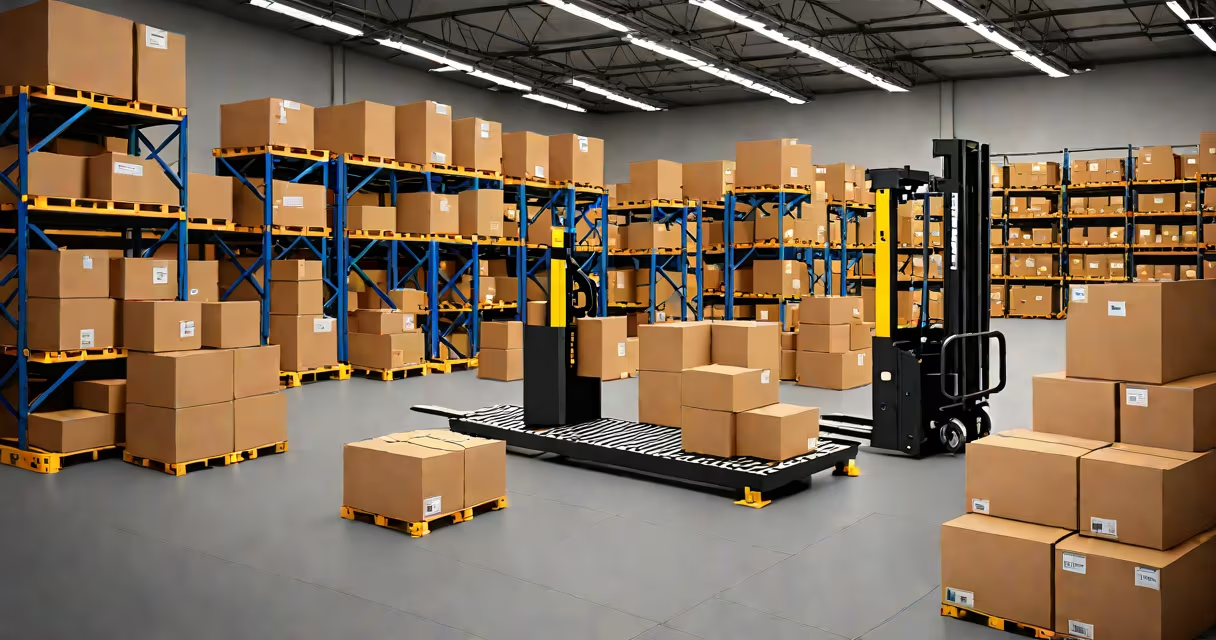
Best ecommerce fulfillment services are third-party logistics providers that store inventory, process orders, pack shipments, and manage deliveries for online retailers. These services integrate with ecommerce platforms like Shopify, WooCommerce, and BigCommerce to automate order flow and improve shipping speed.
These services operate through centralized warehouses or regional distribution centers. When a customer places an order, the fulfillment provider pulls the item from stock, packs it using branded materials if required, prints a shipping label, and hands it off to a carrier like FedEx, UPS, or USPS. Many offer real-time tracking, returns processing, and integration with accounting software.
Major players include ShipBob, FBA (Fulfillment by Amazon), ShipStation, and Easyship. Each offers different features based on scale, geography, and automation level. Some specialize in small businesses; others serve enterprise clients with complex supply chains.
When a retailer signs up with a fulfillment service, they send their inventory to a designated warehouse. This can be done via direct shipment or through a cross-docking arrangement. Once goods are in the system, each product gets a unique SKU (stock keeping unit) and is assigned to a location within the warehouse.
When a sale occurs on the retailer's website, the order syncs instantly to the fulfillment platform. The system triggers a workflow: pick the item from shelf, verify the correct product, pack it in a box with padding and branding, print a label, and schedule pickup or drop-off with a carrier. The entire process typically takes under 24 hours from order receipt to dispatch.
For example, a skincare brand using ShipBob in California receives 150 orders in one day. The system flags all orders for same-day processing. A warehouse associate picks 150 bottles of facial serum, places them in custom packaging with a thank-you card, and drops them off at a FedEx hub. The customer receives a tracking email within 30 minutes of the package leaving the facility.
Fulfillment models vary by control, cost, and scalability. The most common types are in-house, third-party logistics (3PL), and marketplace fulfillment.
| Type | Best For | Key Features | Example Providers |
|---|---|---|---|
| In-house | Small startups with low volume | Full control, low setup cost, high labor demand | Self-managed warehouse, home office packing |
| Third-party logistics (3PL) | Growing brands needing scale | Scalable warehousing, automated systems, multi-channel support | ShipBob, Deliverr, Flexport |
| Marketplace fulfillment | Sellers using Amazon, eBay, Walmart | Prime eligibility, integrated returns, bulk storage | Fulfillment by Amazon (FBA), Walmart Fulfillment Services |
Many brands use hybrid models. A company might use FBA for Prime-eligible products and a 3PL for non-Prime items sold on their own site. This reduces shipping costs and improves delivery times.
A key distinction often missed: not all 3PLs offer same-day shipping. Some charge extra for rush processing. ShipBob, for example, guarantees 24-hour turnaround on standard orders, while others may take 48 hours during peak season. Always review SLAs (service level agreements) before signing.
One widespread error is assuming that "best" means "cheapest." The lowest-cost provider may charge hidden fees for returns, storage overages, or label printing. A 2023 study by McKinsey & Company found that 62% of small online sellers underestimated long-term fulfillment costs due to poor fee transparency.
Another misconception is equating fulfillment with dropshipping. Dropshipping involves sending orders directly from a supplier to the customer, with no inventory held. Fulfillment services store inventory and ship from a warehouse. Confusing the two leads to longer delivery times and higher return rates.
I once managed a boutique clothing brand that switched from dropshipping to a 3PL after noticing a 37% increase in customer complaints about damaged packages. The 3PL offered better packaging standards and quality checks. After switching, damage rates dropped to 4% within six months.
Choose a provider based on speed, reliability, and integration capability. Look for:
Providers like ShipStation and Easyship offer API access and customizable workflows. They allow you to set up rules such as "ship via USPS if weight under 1 lb," or "notify me if a package exceeds $50 value." These automations reduce manual oversight.
According to the National Retail Federation's 2024 Logistics Report, 78% of consumers expect delivery within 3 days. Using a fulfillment service with regional hubs can cut average delivery time from 5-7 days to under 48 hours. A brand selling handmade candles in New York saw delivery times drop from 5 days to 1.5 days after moving inventory to a warehouse in Ohio.
When evaluating providers, test their onboarding process. Ask for a sample order and track how quickly they respond. Review their uptime logs and outage history. Reliable providers publish performance dashboards publicly.
Best ecommerce fulfillment services are essential for scaling online stores efficiently. They reduce operational burden, improve delivery speed, and lower failure rates. Choosing the right provider depends on volume, geography, and integration needs-not just price.