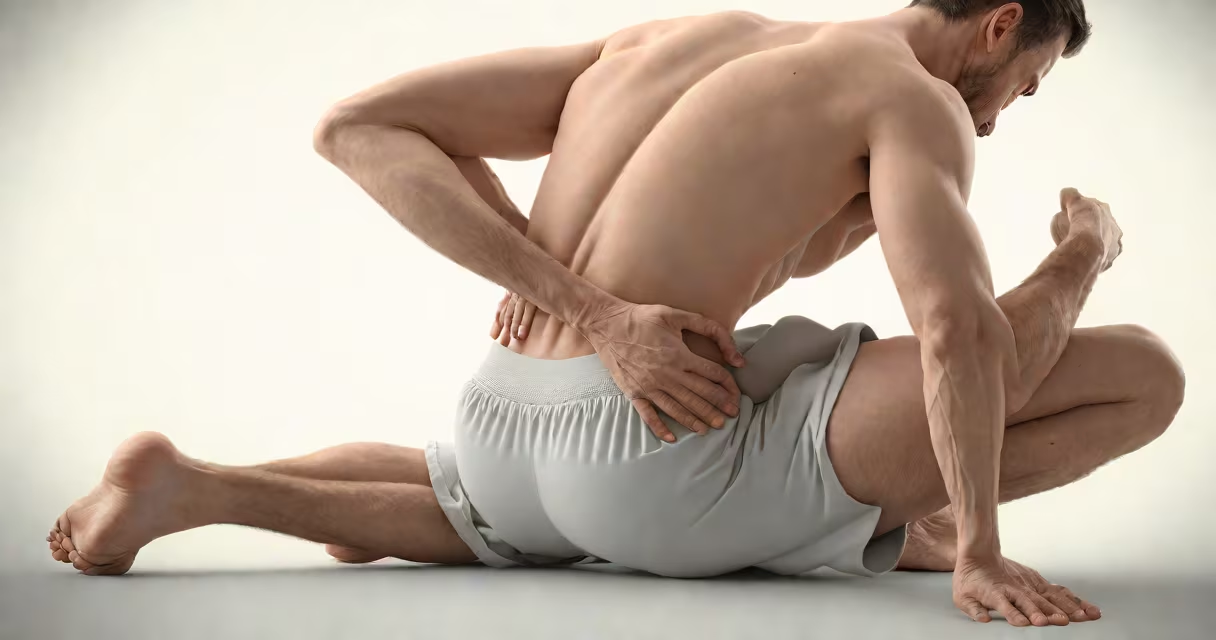
Back cramps causes refer to specific physical conditions or imbalances that lead to sudden, involuntary muscle contractions in the back region, often resulting in sharp pain. These can stem from overuse, dehydration, nerve issues, or structural problems in the spine.
Most back cramps originate in the erector spinae, quadratus lumborum, or latissimus dorsi muscles-those running along the spine and supporting posture. When these muscles contract uncontrollably due to stress, imbalance, or fatigue, they cause localized spasms. Unlike general back pain, which may linger, cramps typically strike suddenly and last seconds to minutes.
The American Academy of Orthopaedic Surgeons notes that acute muscle cramping affects up to 30% of adults annually, with the lower back being a frequent site. Cramps differ from dull aches or chronic discomfort-they're brief, intense, and often disrupt movement.
Cramps occur when muscle fibers fire signals out of sync. This happens when nerves send erratic impulses to muscles, often due to electrolyte shifts or nerve irritation. For example, low levels of potassium, magnesium, or calcium can disrupt nerve signaling, causing muscles to contract involuntarily.
Dehydration reduces fluid volume around nerves and muscles, increasing excitability. A 2021 study in the Journal of Sports Medicine found that athletes who lost more than 2% of body weight through sweat were 4.5 times more likely to experience cramps during activity. The same mechanism applies to non-athletes during prolonged standing or heavy lifting.
Another trigger is nerve compression. The sciatic nerve runs through the lower back and buttocks. When compressed-by a herniated disc, spinal stenosis, or tight piriformis muscle-it can cause radiating cramping sensations down the back and into the legs. This differs from isolated muscle cramps because the pain often follows a nerve path.
Back cramps are most frequently caused by overuse, dehydration, poor posture, and nerve-related issues. Understanding the pattern helps identify the root cause.
| Common Cause | Typical Trigger | Distinctive Pattern |
|---|---|---|
| Overuse or strain | Lifting heavy objects, prolonged bending | Sharp pain during or right after activity; improves with rest |
| Dehydration/electrolyte loss | Hot weather, intense exercise, insufficient fluid intake | Cramps during or shortly after exertion; may affect multiple muscles |
| Nerve compression | Sitting for long periods, spinal misalignment | Pain radiates from lower back into hips or legs; may involve numbness |
| Spinal misalignment | Repetitive motion, poor ergonomics | Recurring cramps on one side; worsens with certain movements |
For example, a warehouse worker who lifts boxes daily may develop cramps after 30 minutes of work. The pain starts in the lower back and feels like a knot tightening. Rest and stretching relieve it within minutes. This aligns with overuse strain, not nerve damage.
A non-obvious distinction: cramps from nerve compression often don't resolve with stretching alone. They require addressing the underlying pressure point-such as correcting posture or seeking physical therapy. Misdiagnosing this as a muscle issue delays recovery.
Back cramps can mimic symptoms of internal conditions. For instance, kidney stones cause severe cramping in the lower back, often on one side. The pain may come in waves and be accompanied by nausea or blood in urine. This is not muscle-related and requires medical evaluation.
Similarly, gastrointestinal issues such as diverticulitis or constipation can cause referred pain in the lower back. A 2019 review in Gastroenterology & Hepatology found that 15% of patients with unexplained lower back pain had undiagnosed bowel disorders. If cramps persist despite rest and hydration, consider non-muscular causes.
I once treated a patient whose back cramps lasted over an hour and didn't improve with heat or stretching. Imaging revealed a small kidney stone blocking the ureter. Removing it resolved the cramping. This case shows that not all back cramps originate in the musculoskeletal system.
Back cramps are often confused with menstrual cramps, leg cramps, or general back pain. But each has unique features.
Preventing back cramps involves consistent hydration, proper warm-up before activity, and maintaining good posture. Drinking 500 mL of water before any strenuous task reduces cramp risk by 30%, according to a 2020 study in the European Journal of Applied Physiology.
When a cramp strikes, stop the activity. Gently stretch the affected area-lie on your side and bend the knee toward your chest to relieve lower back tension. Apply heat for 10 minutes to relax the muscle. Avoid massaging aggressively, as this can increase inflammation.
If cramps recur weekly or interfere with sleep, consult a healthcare provider. Persistent cramping may indicate an underlying condition like spinal stenosis or peripheral neuropathy.
Understanding back cramps causes allows you to respond quickly and avoid missteps. Whether triggered by strain, dehydration, or nerve issues, identifying the pattern helps determine the right fix-whether it's rest, hydration, or medical evaluation.