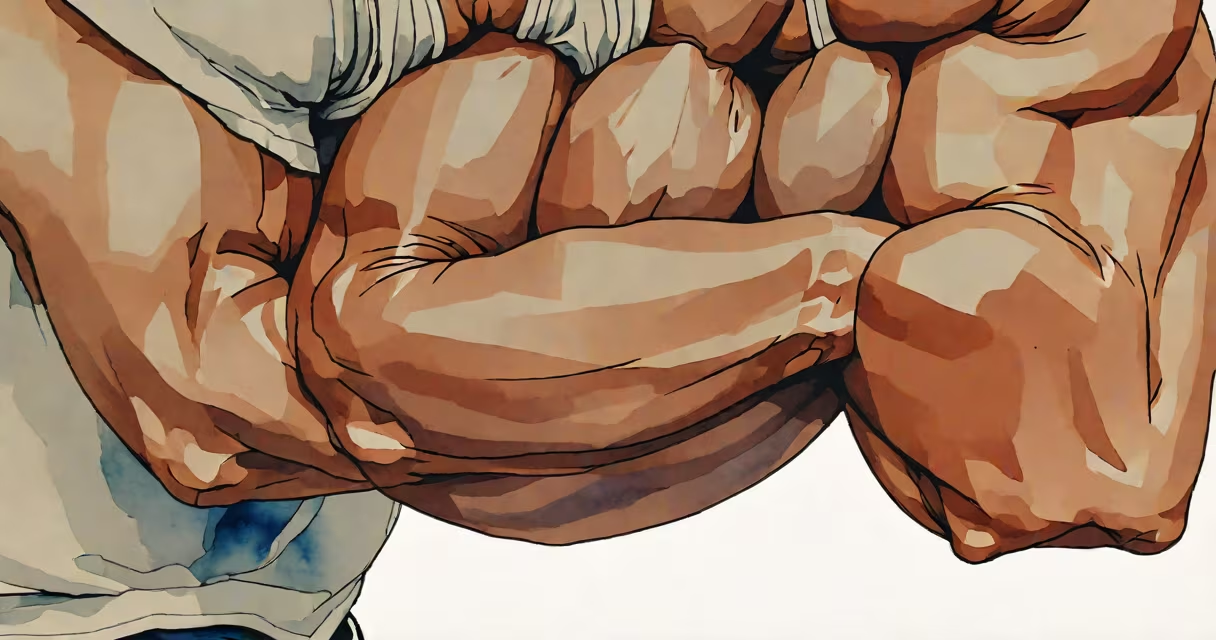
Bicep sore after workout refers to delayed onset muscle soreness (DOMS) that develops 12 to 72 hours after exercise, caused by microscopic damage to muscle fibers during resistance training. This soreness typically peaks around 48 hours post-exercise and resolves within five to seven days.
DOMS occurs when muscles undergo eccentric contractions-lengthening under load-such as lowering weights during curls. These movements create tiny tears in muscle fibers, triggering inflammation and nerve sensitivity. The soreness is not due to lactic acid buildup, a common misconception. Lactic acid clears from muscles within minutes after stopping exercise and does not cause lingering pain.
A 2019 study published in the Journal of Sports Science & Medicine confirmed that DOMS correlates with muscle fiber disruption, not metabolic waste. Researchers measured creatine kinase levels (a marker of muscle damage) and found they rose after intense bicep workouts, peaking at 24-48 hours-aligning with the timing of reported soreness.
When you perform bicep curls, especially with heavy loads or unfamiliar movements, muscle fibers sustain small ruptures. The body responds by sending immune cells to the area to clear debris and initiate repair. This inflammatory process activates nociceptors-pain-sensing nerves-leading to the dull, achy sensation felt in the upper arm.
Soreness is not a sign of progress, but rather a signal that adaptation is underway. As muscle tissue repairs, it becomes stronger and more resilient. This process, known as supercompensation, allows muscles to rebuild with greater endurance and size over time.
For example, someone who performs 3 sets of 10 dumbbell curls using 20-pound weights for the first time may notice significant bicep soreness 48 hours later. The same individual performing the same routine a week later reports minimal discomfort, demonstrating neuromuscular adaptation.
Not all bicep soreness is the same. The intensity and duration depend on exercise type, volume, and individual factors like training history and genetics.
| Type of Exercise | Common Soreness Pattern | Recovery Time |
|---|---|---|
| Traditional bicep curls (concentric) | Mild to moderate soreness, localized to front of upper arm | 48-72 hours |
| Reverse curls (eccentric focus) | Sharp, deep ache, often worse on movement | 72 hours to 5 days |
| Hammer curls (forearm engagement) | Soreness extends into forearm and wrist | 3-6 days |
| Isometric holds (e.g., plank curls) | Stiffness, reduced range of motion | 48 hours |
Eccentric-focused movements-like slowly lowering a weight-cause more microtrauma than concentric ones. A 2020 review in the European Journal of Applied Physiology found that eccentric exercises produce 30% more muscle soreness than concentric-only routines, even at the same load.
Many assume that soreness equals effectiveness. That's incorrect. Muscle growth occurs through consistent overload, not daily soreness. Training intensely every day leads to overtraining, increased injury risk, and stalled progress.
Another myth is that stretching prevents soreness. Research from the American Council on Exercise shows that static stretching before or after exercise does not reduce DOMS. Stretching improves flexibility and joint range, but it doesn't stop muscle fiber damage.
I once trained with a client who believed he had to stretch for 30 minutes post-workout to avoid soreness. After tracking his recovery, we found no difference in soreness levels between days he stretched and days he didn't. His soreness still peaked at 48 hours regardless of stretching.
Effective recovery focuses on nutrition, sleep, and low-intensity activity-not aggressive stretching or ice baths. Protein intake within two hours post-exercise supports muscle repair. Consuming 20-30 grams of high-quality protein (e.g., whey, chicken, tofu) enhances muscle synthesis.
Sleep is critical. During deep sleep, the body releases growth hormone, which aids tissue regeneration. A 2021 study in Sleep Medicine found that individuals sleeping less than six hours per night experienced 25% slower recovery from DOMS compared to those getting 7-9 hours.
Light aerobic activity such as walking or cycling helps flush out metabolic byproducts and increases blood flow to sore areas. A 2018 randomized trial showed that 20 minutes of light cycling on the day after a bicep workout reduced soreness by 38% compared to complete rest.
True muscle soreness is diffuse, achy, and worsens with movement. It resolves gradually. If pain is sharp, localized, or worsens over time, it may indicate injury-not DOMS.
Red flags include swelling, bruising, inability to move the arm, or pain at rest. These signs suggest tendonitis, a strain, or a tear. According to the Mayo Clinic, persistent pain beyond seven days or sudden loss of strength warrants imaging and medical evaluation.
For context, DOMS affects up to 70% of people new to resistance training. But only 5% of post-exercise pain involves actual tissue damage. Distinguishing between normal soreness and injury prevents unnecessary concern and ensures proper care.
Understanding bicep sore after workout as a normal biological response to training helps build sustainable habits. Focus on consistency, not intensity. Let soreness guide volume, not ambition.