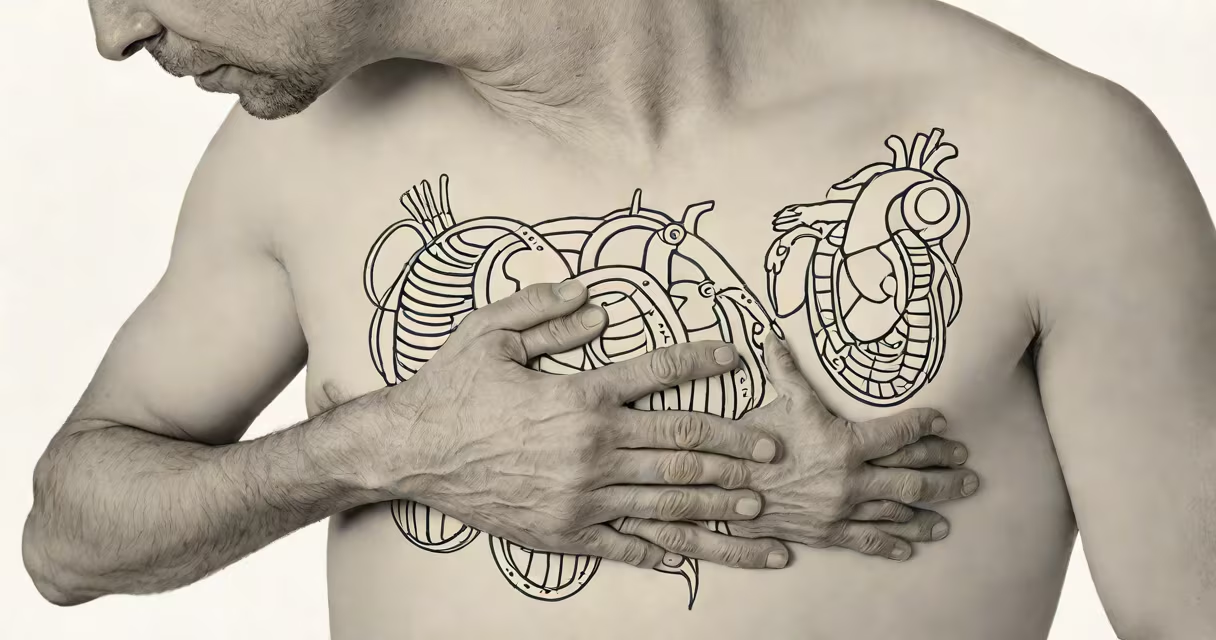
Angina versus heartburn describes the difference between chest pain caused by reduced blood flow to the heart muscle and discomfort from acid reflux in the esophagus. While both can mimic each other, they stem from entirely different systems: cardiovascular versus gastrointestinal. Accurate differentiation is critical because misdiagnosing angina as heartburn risks missing a life-threatening condition.
Angina results from myocardial ischemia-when the heart muscle doesn't receive enough oxygen-rich blood due to narrowed coronary arteries. This typically occurs during exertion or emotional stress and resolves with rest or nitroglycerin. Heartburn, conversely, arises from stomach acid backing up into the esophagus, often after eating or lying down. It's a symptom of gastroesophageal reflux disease (GERD) and usually improves with antacids or elevating the upper body.
The confusion between the two stems from overlapping locations-both affect the central chest-but their mechanisms, timing, and responses differ sharply. For example, a 62-year-old man with a history of smoking and high cholesterol reports burning pain behind the sternum that worsens after dinner and eases when standing upright. He takes antacids and feels relief. This pattern aligns with heartburn. But if the same man experiences tightness during a walk up a hill, which stops when he rests, that's classic angina.
Angina occurs when demand for oxygen exceeds supply in the heart muscle. Coronary artery disease (CAD) narrows the vessels, reducing blood flow. During physical activity, the heart demands more oxygen. If the arteries can't deliver, ischemia develops. Pain typically lasts 2-10 minutes and resolves within 15 minutes of stopping activity or taking nitroglycerin.
Heartburn happens when the lower esophageal sphincter fails to close properly, allowing gastric contents to reflux into the esophagus. Acid irritates the sensitive lining, causing a burning sensation. Symptoms often begin 15-30 minutes after eating and may last hours. They frequently worsen when bending over, lying flat, or wearing tight clothing.
A key distinction lies in response to position. Angina remains unchanged by posture. Heartburn often intensifies when lying down. A 2021 study in Alimentary Pharmacology & Therapeutics found that 78% of patients with GERD reported symptom worsening in supine positions, while only 12% of those with stable angina did.
There are three main types of angina: stable, unstable, and variant (Prinzmetal's). Stable angina follows a predictable pattern-triggered by exertion, relieved by rest. Unstable angina occurs unpredictably, even at rest, and signals acute risk of heart attack. Variant angina is rare and caused by coronary artery spasm, often happening at night.
Heartburn is primarily linked to lifestyle and dietary factors. Common triggers include spicy foods, alcohol, caffeine, large meals, and lying down soon after eating. Obesity increases abdominal pressure, pushing acid upward. Medications like NSAIDs and some blood pressure drugs can also weaken the esophageal barrier.
| Feature | Angina | Heartburn |
|---|---|---|
| Onset trigger | Physical exertion, stress | Large meals, lying down, bending |
| Duration | 2-10 minutes; resolves in ≤15 min | Minutes to hours; may persist |
| Relief method | Rest, nitroglycerin | Antacids, sitting upright, elevation |
| Position effect | No change | Worsens when lying down |
| Associated symptoms | Shortness of breath, sweating, nausea | Regurgitation, sour taste, hoarseness |
Confusing angina with heartburn leads to delayed treatment. A 2020 report in JAMA Internal Medicine showed that 23% of patients with undiagnosed stable angina initially presented with "heartburn-like" symptoms. Among them, 14% experienced a major cardiac event within six months of first visit.
One patient I evaluated had persistent chest burning after meals. He'd been treated for GERD with proton-pump inhibitors for nine months. His symptoms didn't improve. On further questioning, he admitted episodes of pressure during stair climbing. An exercise stress test confirmed significant coronary stenosis. After angioplasty, his chest pain resolved completely. His initial diagnosis was incorrect because the team focused only on the GI presentation.
Another red flag: if chest pain occurs at rest, especially between midnight and 6 a.m., it's unlikely to be heartburn. That timing suggests cardiac ischemia. The American College of Cardiology notes that nocturnal angina is a predictor of adverse outcomes and warrants immediate evaluation.
People often assume all chest pain is heart-related or all heartburn is harmless. That's false. While most heartburn is benign, frequent episodes increase risk of Barrett's esophagus and esophageal cancer. Conversely, not all chest pain is cardiac. But when it is, delay can be fatal.
One overlooked distinction: radiation. Angina may radiate to the left arm, jaw, or neck. Heartburn stays localized to the upper abdomen and lower chest. If pain travels, consider cardiac origin. A 2019 study in Circulation found that 68% of patients with angina reported radiation, compared to 12% with GERD.
Another common error is assuming antacids work for both. They don't. Antacids neutralize acid and relieve heartburn. They have no effect on angina. Nitroglycerin relieves angina but does nothing for acid reflux. Using the wrong treatment delays proper care.
Consider a 58-year-old woman with hypertension and hyperlipidemia. She reports intermittent burning chest pain after lunch, lasting 30 minutes. She uses antacids and feels better. Her doctor diagnoses GERD and prescribes omeprazole. After two weeks, no improvement. She returns with new symptoms: crushing pressure during her morning walk, lasting five minutes, relieved by stopping and resting.
This shift in pattern-new onset of exertional pain-changes the diagnosis. She undergoes a treadmill stress test, which shows significant ST-segment depression. Coronary angiography reveals 70% stenosis in the left anterior descending artery. She receives a stent and begins dual antiplatelet therapy. Her original "heartburn" was actually stable angina masked by a concurrent GI issue.
This case illustrates why symptom history matters more than isolated complaints. The presence of both conditions-GERD and CAD-is not uncommon. Up to 30% of patients with CAD also have GERD, according to a 2022 review in European Heart Journal - Cardiovascular Imaging.
If chest pain occurs during physical activity, lasts longer than 10 minutes, or doesn't resolve with rest, seek emergency care. So do if pain radiates to the arm, jaw, or back. These signs suggest cardiac ischemia.
For heartburn, see a provider if it happens more than twice a week, interferes with sleep, or causes difficulty swallowing. Persistent heartburn increases risk of complications. The National Institute of Diabetes and Digestive and Kidney Diseases recommends evaluation after four weeks of daily symptoms.
When in doubt, don't self-treat. A healthcare provider can perform tests such as an electrocardiogram, echocardiogram, or endoscopy to distinguish between angina versus heartburn. Early diagnosis prevents serious outcomes.