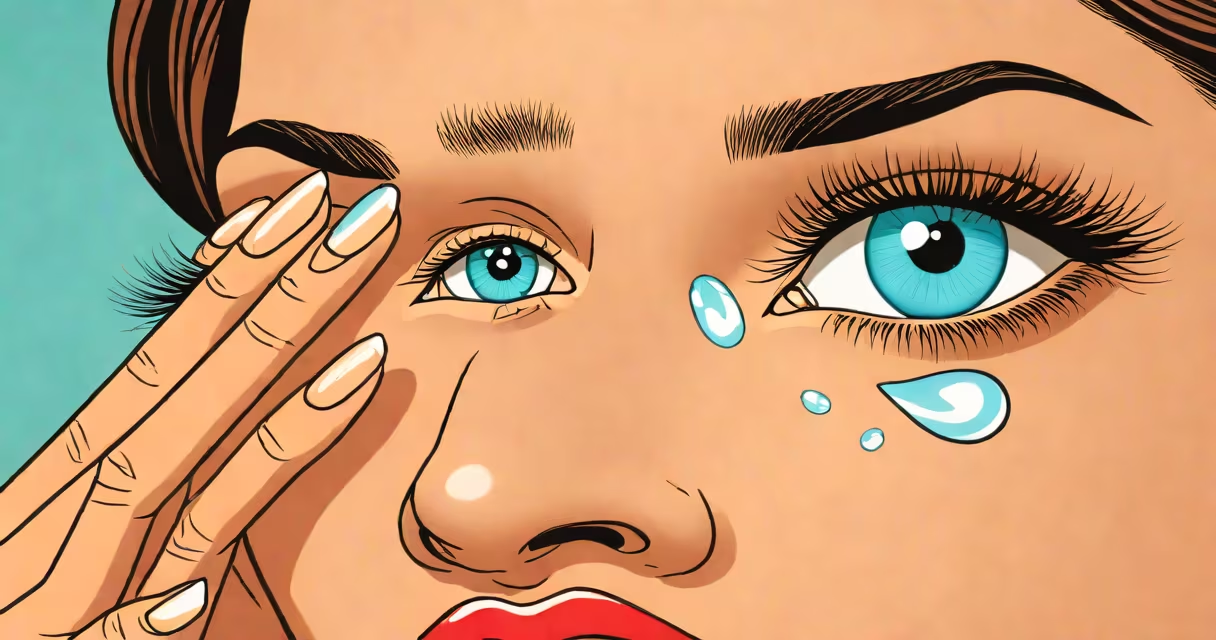
Allergies and contact lenses occur when the immune system reacts to substances like pollen, dust mites, or lens materials, causing eye irritation, redness, itching, and blurred vision. These reactions can happen even in people who've worn contacts for years without issues.
When allergens come into contact with the eye surface or accumulate on the lens surface, they trigger mast cells to release histamine. This causes blood vessels to dilate, tissues to swell, and nerves to fire pain signals. Symptoms often appear within minutes to hours after wearing lenses, especially in environments with high airborne allergen levels.
According to the American Academy of Ophthalmology, up to 15% of contact lens wearers report allergy-like symptoms. Not all eye discomfort stems from true allergies-dryness, improper fit, or poor hygiene can mimic allergic reactions. Distinguishing between them is critical for effective treatment.
Contact lenses act as a physical barrier that traps allergens against the cornea. Pollen, pet dander, mold spores, and even makeup particles can adhere to the lens surface and remain in contact with the eye's sensitive tissues throughout wear. This prolonged exposure increases the chance of an inflammatory response.
Lens materials themselves may trigger reactions. Some hydrogel lenses contain preservatives or additives like polyvinyl alcohol or sodium hyaluronate, which some individuals react to. Silicone-hydrogel lenses, while offering better oxygen permeability, can also trap lipid-based allergens due to their higher hydrophobicity.
A 2021 study published in Cornea found that patients with seasonal allergic conjunctivitis experienced worse symptoms when wearing daily disposable lenses compared to glasses. The study attributed this to increased allergen deposition on the lens surface during peak pollen seasons.
Many wearers assume their discomfort comes from "lens intolerance," but the real culprit is often environmental allergens. Common triggers include:
One common mistake is blaming the lens brand. A patient might switch brands thinking the issue lies with the material, but the problem persists because the environment hasn't changed. For example, someone who wears daily lenses in a dusty apartment may still develop symptoms even after switching to silicone-hydrogel lenses.
Another misconception is that "daily wear" lenses prevent allergies. Daily disposables reduce buildup but don't eliminate allergen adsorption. A 2020 clinical review in Optometry and Vision Science showed that daily lenses still collect airborne allergens at rates comparable to extended-wear lenses over a 12-hour period.
True allergic reactions to contact lenses are rare. Most cases involve allergic conjunctivitis triggered by external factors. However, contact lens-related allergic responses can be categorized into three types:
| Type | Trigger | Onset | Key Symptoms |
|---|---|---|---|
| Environmental | Pollen, dust, mold | Minutes to hours | Itching, redness, tearing, blurred vision |
| Material Sensitivity | Preservatives, polymers, cleaning solutions | Hours to days | Burning, stinging, swelling, persistent redness |
| Immune Response to Lens Surface | Protein or lipid deposits on lens | Days to weeks | Foreign body sensation, photophobia, reduced visual clarity |
True contact lens allergy-defined as a reaction to the lens polymer itself-is extremely rare. The FDA reports fewer than 10 documented cases of confirmed contact lens polymer allergy since 2000. Most reported "allergies" stem from secondary irritants, not the lens material.
I once observed a patient who wore monthly lenses and complained of severe eye burning. After switching to daily disposables and using preservative-free saline, symptoms improved within 48 hours. Further testing revealed sensitivity to the preservative in her original solution-not the lens material.
If you experience allergy-like symptoms while wearing contacts, start with non-pharmacological steps. Remove lenses immediately and switch to daily wear or glasses during high-allergen periods. Use preservative-free artificial tears to flush out trapped allergens.
For ongoing management, consider:
For those with persistent symptoms, consult an ophthalmologist. They may recommend specialty lenses such as scleral lenses, which vault over the cornea and reduce direct contact with allergens. Scleral lenses have shown success in reducing allergic symptoms in 78% of patients with refractive errors and ocular surface disease, according to a 2022 retrospective study in Journal of the American Optometric Association.
Allergies and contact lenses are manageable. Identify the true trigger-whether environmental, chemical, or mechanical-and adjust your routine accordingly. Avoid self-diagnosis. Seek professional evaluation if symptoms persist beyond a few days.