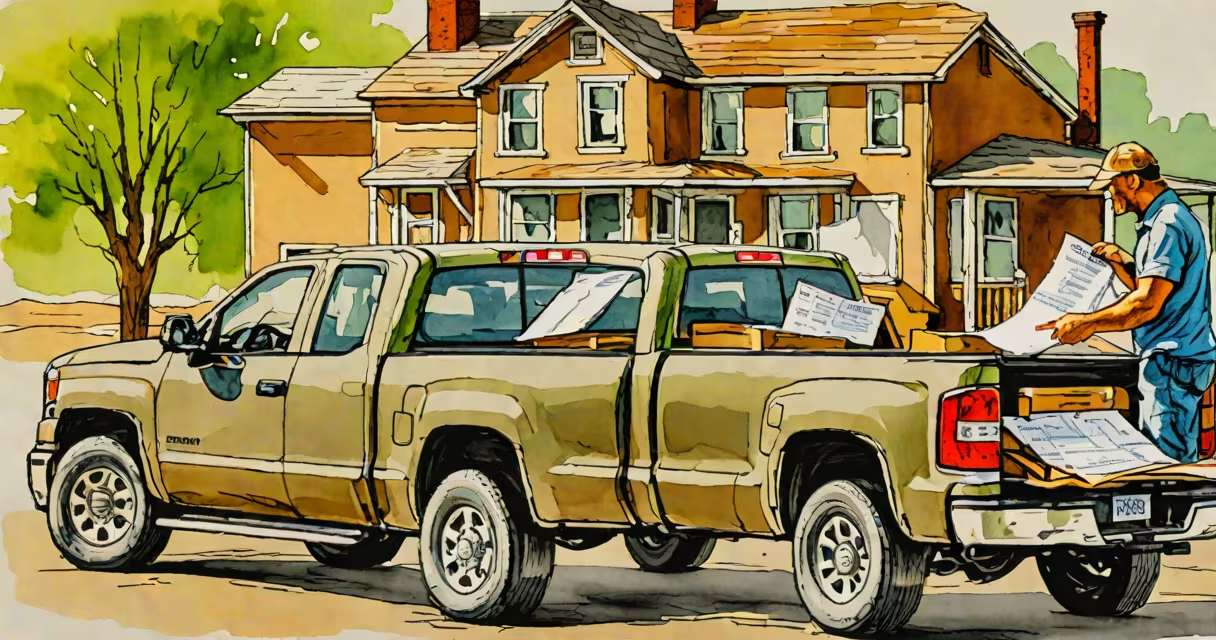
A 179 deduction vehicle is a qualified business-use vehicle purchased or leased during the tax year that a business can fully expense under IRS Section 179, allowing immediate deduction of the entire cost rather than depreciating it over time.
Section 179 of the Internal Revenue Code permits eligible taxpayers to deduct the full cost of qualifying property placed in service during the year. For vehicles, this includes passenger cars, light trucks, vans, and SUVs used more than 50% for business purposes. The deduction applies to new or used vehicles acquired through purchase or lease, provided they meet IRS usage and timing rules.
The IRS sets annual limits on the amount deductible under Section 179. For 2023, the maximum deduction is $1,160,000, with a total property cost limit of $3,260,000. Vehicles are subject to additional limitations based on their gross vehicle weight rating (GVWR). Light vehicles with a GVWR of 6,000 pounds or less qualify for full expensing, while heavier vehicles face lower deduction caps.
When a business buys a vehicle for more than 50% of its use in operations, it may elect to deduct the full cost in the year of placement in service. This bypasses the standard Modified Accelerated Cost Recovery System (MACRS) depreciation schedule, which spreads deductions over five to seven years.
For example, a landscaping company purchases a new Ford F-150 for $55,000 in March 2023. The vehicle is used 70% for business, including transporting tools and materials. The business files Form 4562 to claim the Section 179 deduction. Because the F-150 weighs under 6,000 lbs, it qualifies for full expensing. The company deducts $55,000 in 2023, reducing taxable income by that amount.
If the vehicle exceeds the 50% business-use threshold, the deduction is prorated. A vehicle used 60% for business allows a 60% deduction of the total cost. The IRS requires detailed records of mileage and business purpose to substantiate the deduction.
Not all vehicles qualify for the 179 deduction. The IRS defines qualifying property as tangible personal property used in a trade or business. Passenger vehicles include sedans, coupes, and hatchbacks. Light trucks and vans with a GVWR below 6,000 pounds are also eligible.
Vehicles with a GVWR above 6,000 pounds are treated differently. They are classified as heavy vehicles and face lower deduction limits. For 2023, the maximum deduction for heavy vehicles is $25,000, regardless of actual cost. This cap reflects the IRS's intent to limit deductions on high-value assets.
| Vehicle Type | GVWR Limit | Max Deduction (2023) | Business Use Requirement |
|---|---|---|---|
| Passenger car | < 6,000 lbs | $1,160,000 | More than 50% |
| Light truck/van | < 6,000 lbs | $1,160,000 | More than 50% |
| Heavy vehicle | > 6,000 lbs | $25,000 | More than 50% |
Leased vehicles also qualify under Section 179, but only if the lease term is at least 12 months and the lessee assumes substantially all risks and rewards of ownership. The deduction is limited to the lesser of the actual lease payments or the fair market value of the vehicle.
Many businesses assume that any vehicle used for work qualifies for the 179 deduction. This is incorrect. The vehicle must be placed in service during the tax year and used more than 50% for business. A vehicle used 40% for business cannot claim the deduction, even if it was expensive.
Another misconception is that the deduction applies to all costs. The IRS excludes certain expenses such as sales tax, title fees, and registration charges from the deduction unless they are capitalized into the asset's basis. Only the purchase price or lease payment counts toward the deduction.
A non-obvious rule: if a business uses a vehicle for both business and personal purposes, the deduction must be calculated using the business-use percentage. For example, a vehicle costing $60,000 used 65% for business allows a deduction of $39,000 ($60,000 × 65%). The remaining $21,000 is subject to regular depreciation.
In my experience as a tax preparer, a plumbing contractor claimed a $48,000 Section 179 deduction on a new Chevrolet Silverado. The vehicle was used 75% for job site travel and material transport. The client reduced their 2023 taxable income by $48,000, saving approximately $11,520 in federal taxes at a 24% rate.
Without the 179 deduction, the same vehicle would have been depreciated over five years using MACRS. The first-year deduction would have been only $9,600 (20% of $48,000), resulting in a $2,304 tax savings. The 179 election delivered four times the immediate tax benefit.
However, the deduction is not available if the business has already taken bonus depreciation on the same asset. Section 179 and bonus depreciation are mutually exclusive. Choosing one disqualifies the other. Businesses must evaluate which option offers greater tax advantage based on projected income and asset cost.
Understanding the 179 deduction vehicle enables small businesses to improve cash flow by reducing current-year tax liability. It is especially valuable for startups and growing firms investing in operational assets. Proper documentation and accurate tracking of business use are essential to avoid audit risk.