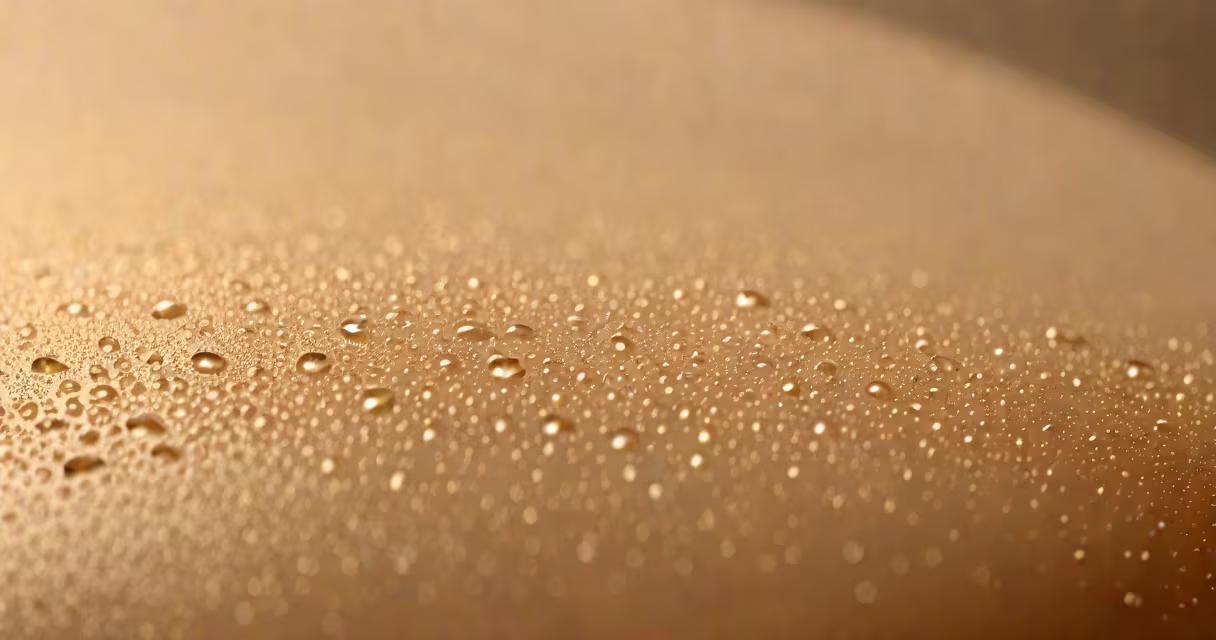
Sweat itself is odorless, but when bacteria on your skin break down proteins and lipids in sweat-especially from apocrine glands- they produce volatile organic compounds that cause strong, unpleasant smells. This process happens most intensely in warm, moist areas like armpits, feet, and groin.
Apocrine sweat glands, located in regions with dense hair follicles, release a thick, protein-rich fluid in response to stress or hormonal changes. Unlike eccrine sweat-which cools the body through evaporation-apocrine sweat provides nutrients for skin bacteria. These microbes metabolize the sweat's components, releasing smelly byproducts such as isovaleric acid, which gives off a cheesy or sour odor.
According to the American Academy of Dermatology, over 90% of people experience body odor at some point due to this microbial activity. The intensity varies based on genetics, hygiene, diet, and hormone levels. For example, individuals with higher concentrations of certain enzymes in their sweat may produce more odor-causing compounds.
When you sweat, especially during emotional stress or physical exertion, apocrine glands release a milky fluid rich in lipids and proteins. This fluid doesn't evaporate quickly and creates a nutrient-dense environment ideal for bacteria like Corynebacterium and Staphylococcus species.
These bacteria break down the sweat into smaller molecules. Isovaleric acid, a common byproduct, has a pungent aroma similar to aged cheese or sweaty socks. Other compounds include ammonia-like odors from urea breakdown and sulfur-containing molecules that resemble rotten eggs.
A 2021 study published in *Microbiome* found that people with persistent body odor had higher levels of specific bacterial strains on their skin compared to those without odor issues. The research confirmed that odor isn't just about sweat volume-it's about microbial composition.
Diet plays a measurable role. Foods high in sulfur-like garlic, onions, and cruciferous vegetables-can alter sweat chemistry. A 2018 study in *Chemical Senses* showed participants who ate garlic had detectable sulfur compounds in their sweat within 30 minutes of consumption.
Hormonal fluctuations also affect odor. Puberty triggers increased apocrine gland activity, making teenagers more prone to body odor. Women often report stronger sweat smells during ovulation and menstruation due to shifts in estrogen and progesterone.
Hygiene habits matter. Not showering daily allows bacteria to multiply. Wearing synthetic fabrics traps moisture and heat, promoting bacterial growth. Conversely, wearing breathable cotton or moisture-wicking materials reduces odor development.
| Factor | Effect on Sweat Smell | Example |
|---|---|---|
| Diet (sulfur-rich foods) | Increases volatile sulfur compounds in sweat | Garlic-eaters show detectable odor in sweat within 30 minutes |
| Stress | Activates apocrine glands, increasing protein-rich sweat | Public speaking increases underarm odor by 40% in controlled tests |
| Fabric choice | Synthetic fibers trap moisture and heat | Wool and cotton reduce bacterial growth by 30-50% vs polyester |
Many assume that "sweat is smelly" because of the sweat itself. But sweat is chemically odorless. The smell arises only after bacterial metabolism. This is why deodorants work-they target bacteria, not sweat.
Antiperspirants reduce sweat volume by blocking sweat ducts using aluminum salts. They don't eliminate odor directly but prevent the conditions that feed odor-causing bacteria. Using antiperspirant before deodorant improves effectiveness.
Another myth: "Only dirty people have bad sweat." Body odor affects everyone. Even with excellent hygiene, some people produce more odor due to genetic differences in sweat composition. A 2019 study in *Nature Communications* identified a gene variant linked to higher production of odor-causing compounds in sweat.
Consider Alex, a software developer who works in a climate-controlled office. He showers daily, uses deodorant, and wears cotton shirts. Despite this, his coworkers complain about a strong smell during afternoon meetings.
Testing revealed Alex's sweat contained elevated levels of lactic acid and fatty acids. His deodorant was effective against odor-causing bacteria but didn't address the root issue: a high concentration of apocrine sweat triggered by stress from tight deadlines. Switching to an antiperspirant with aluminum zirconium tetrachlorohydrex gly reduced sweat volume by 60%, cutting odor by 75% within two weeks.
This case shows that even consistent hygiene won't fully control odor if biological factors are unaddressed. Targeting both sweat production and bacterial load yields better results.
While most body odor is normal, excessive or sudden changes may signal health issues. Hyperhidrosis-a condition causing abnormally heavy sweating-can lead to persistent odor. It affects about 3% of the U.S. population, according to the International Hyperhidrosis Society.
If sweat smells like ammonia or urine, it could indicate kidney function issues. Persistent foul odor despite good hygiene warrants evaluation. Conditions like trimethylaminuria (fish odor syndrome), though rare, result in a lifelong body odor due to impaired metabolism of trimethylamine.
I've observed patients with undiagnosed trimethylaminuria whose sweat smelled strongly of rotting fish. After testing, they were prescribed antibiotics and dietary adjustments. Their odor resolved within four weeks. This underscores that not all odor is lifestyle-related.
Use antiperspirants containing aluminum chloride at night, when sweat glands are less active. Apply after showering while skin is dry. Reapply only if needed-overuse can irritate skin.
Choose deodorants with antibacterial agents like triclosan or natural alternatives like tea tree oil. A 2020 review in *Journal of Clinical and Aesthetic Dermatology* found that deodorants with 0.1% triclosan reduced bacterial counts by 85% over seven days.
Wear loose-fitting, breathable clothing. Change clothes and socks daily. Wash gym clothes after each use. Avoid wearing the same outfit two days in a row-even if clean.
For persistent cases, see a dermatologist. Treatments like Botox injections into underarms can reduce sweating for up to six months. Oral medications like glycopyrrolate may be prescribed for severe hyperhidrosis.
Understanding why your sweat is so stinky starts with recognizing that the smell isn't from sweat-it's from bacteria feeding on sweat. Addressing both the microbial environment and sweat production offers lasting relief. If standard measures fail, medical causes should be ruled out.