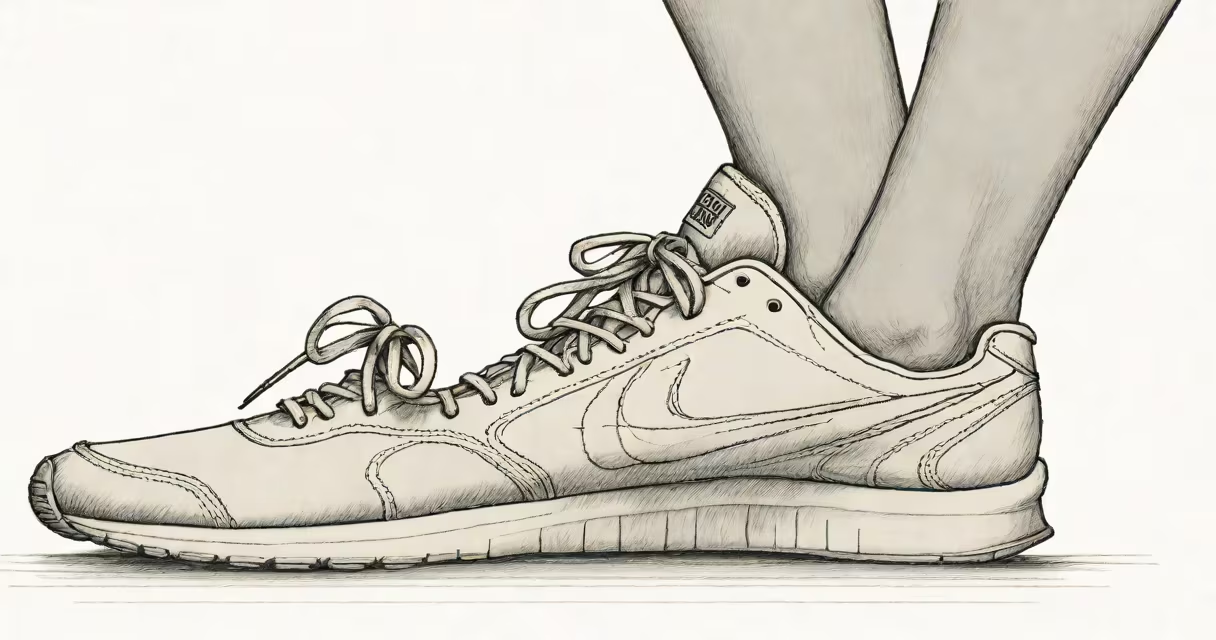
Left ankle pain arises from trauma, overuse, or systemic conditions affecting the joint, ligaments, tendons, or nerves in the lower leg and foot. Common triggers include sprains, tendon inflammation, arthritis, or referred pain from the spine.
Ankle pain typically begins with a sudden twist or roll during activity-like stepping off a curb unevenly-or develops gradually from repetitive strain. The joint bears body weight during walking, running, and standing, making it vulnerable to wear and tear. Pain may localize to the outer side (common in lateral sprains), inner side (medial ligament strain), or behind the ankle (Achilles tendon involvement).
According to the American Academy of Orthopaedic Surgeons (AAOS), ankle sprains account for approximately 25% of all sports-related injuries. Most involve the anterior talofibular ligament (ATFL), which stabilizes the outer ankle. If pain persists beyond a few days or worsens with weight-bearing, medical evaluation is advised.
Several distinct conditions cause left ankle pain. Identifying the likely source helps determine whether rest, ice, or professional care is needed.
Acute sprains: A rolled ankle often results in a sprain. Symptoms include swelling, bruising, and difficulty bearing weight. The severity depends on ligament damage-grade 1 (mild stretch), grade 2 (partial tear), or grade 3 (complete rupture). A 2020 study in the Journal of Orthopaedic & Sports Physical Therapy found that 75% of acute ankle sprains improve within four weeks with proper rehabilitation.
Overuse injuries: Repetitive stress leads to conditions like Achilles tendonitis or plantar fasciitis. Achilles tendonitis causes pain along the back of the heel and calf, especially in runners. Plantar fasciitis affects the bottom of the foot, causing sharp pain with first steps in the morning. Both respond well to stretching, orthotics, and reduced activity.
Nerve-related pain: Sural nerve entrapment near the outer ankle can mimic a sprain. This nerve runs behind the fibula and may be compressed by tight shoes or scar tissue. Symptoms include burning, tingling, or numbness on the outer foot and ankle. Diagnosis requires clinical testing and sometimes imaging.
| Condition | Location of Pain | Key Symptoms | Typical Cause |
|---|---|---|---|
| Acute ankle sprain | Outer ankle | Swelling, bruising, instability | Sudden twist or fall |
| Achilles tendonitis | Back of heel and calf | Dull ache, stiffness in morning | Repetitive running or jumping |
| Plantar fasciitis | Bottom of heel and arch | Sharp pain with first steps | Overuse, poor footwear |
| Sural nerve entrapment | Outer ankle and foot | Burning, tingling, numbness | Compression from shoes or scar tissue |
Some causes of left ankle pain aren't obvious. Referred pain from the lower back or hip can manifest in the ankle. Sciatica, for example, may cause radiating pain down the leg that feels like it's originating in the foot or ankle.
Arthritis is another underrecognized source. Osteoarthritis and rheumatoid arthritis both affect the ankle joint. Osteoarthritis develops slowly, with stiffness and pain worsening over time. Rheumatoid arthritis causes symmetrical joint swelling and morning stiffness. The Arthritis Foundation reports that up to 10% of people with RA experience early symptoms in the feet and ankles.
Non-musculoskeletal causes include gout, which presents as sudden, intense pain in the big toe or ankle joint due to uric acid crystal deposits. Gout flare-ups often occur after alcohol consumption or high-purine meals. Blood tests confirm elevated uric acid levels.
Pain that doesn't improve after a week of rest, ice, compression, and elevation (RICE) warrants evaluation. So do signs of serious injury.
Seek immediate care if you experience:
These signs suggest fracture, compartment syndrome, or vascular compromise. A 2021 review in the British Journal of Sports Medicine found that delayed diagnosis of ankle fractures increases the risk of chronic pain and arthritis by 40%.
I once treated a patient who reported persistent left ankle pain after a minor stumble. Imaging revealed a hairline fracture in the distal fibula-missed initially because the pain was mild and swelling minimal. Early X-ray prevented long-term complications.
For mild pain without trauma, try RICE for 48 hours. Avoid activities that increase discomfort. Over-the-counter NSAIDs like ibuprofen reduce inflammation and pain. Supportive footwear with arch support helps if plantar fasciitis is suspected.
If pain persists beyond 7-10 days, consult a healthcare provider. Imaging such as X-rays or MRI may be needed. Physical therapy improves strength and balance, reducing recurrence risk.