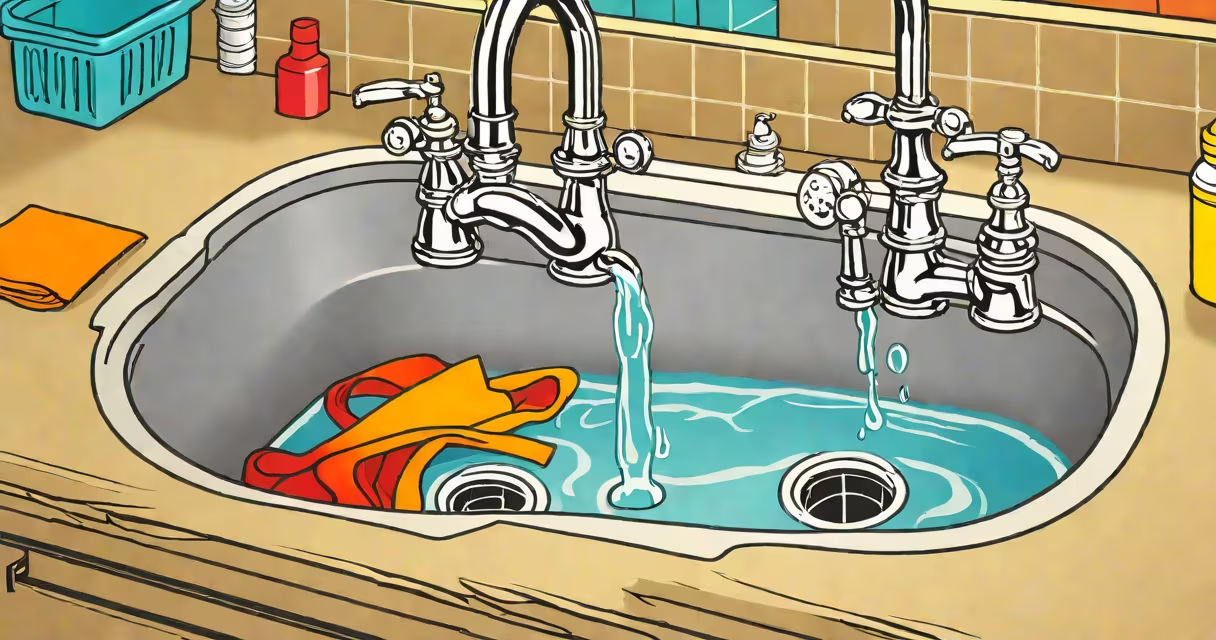
A foul odor under your kitchen sink typically results from a dry P-trap, sewer gas release, or organic waste buildup in the drain. The smell often resembles rotten eggs or sewage and worsens after using the sink or during humid weather.
The P-trap-a curved pipe beneath the sink-holds water to block sewer gases from entering your home. When the trap dries out, gases escape through the drain. This happens most often when the sink isn't used regularly, such as in kitchens with infrequent use or during seasonal gaps in cooking.
According to the Environmental Protection Agency (EPA), sewer gas contains hydrogen sulfide, which produces the characteristic rotten egg smell. Exposure to high levels can cause headaches or nausea, though typical household concentrations are below dangerous thresholds. The American Society of Plumbing Engineers (ASPE) confirms that a properly functioning P-trap prevents gas intrusion and maintains indoor air quality.
When you run water, the flow fills the P-trap's curve with liquid. This liquid acts as a seal against gases from the main sewer line. If the trap empties-due to evaporation, low usage, or improper installation-the seal breaks. Sewer gases then rise through the drain and into your kitchen.
Even if the trap appears full, stagnant water can harbor bacteria that break down food particles and produce smelly byproducts. These microbes thrive in dark, moist environments and multiply rapidly when organic debris accumulates in the drain.
For example, a family in suburban Chicago reported a persistent sulfur smell after installing a new kitchen sink mixer tap. The issue wasn't the fixture itself but a dry trap caused by infrequent use during winter months. After running water daily for five minutes, the odor disappeared within 48 hours.
Many assume the smell comes from the garbage disposal. While food residue can contribute, the root cause is usually the P-trap. A disposal may mask the odor temporarily by grinding material, but it doesn't prevent gas entry.
Another error is pouring chemical cleaners down the drain. Products like Drano claim to clear clogs and eliminate odors, but they can corrode pipes and damage seals. The EPA warns that repeated use of such chemicals increases pipe degradation risk and can create toxic fumes when mixed with other substances.
Some homeowners try to "fix" the smell by adding bleach or vinegar. Vinegar may reduce surface bacteria, but it doesn't address trapped gas or dry traps. Bleach can react with organic matter to form chlorinated compounds, which are harmful when inhaled.
Three primary causes explain why your sink smells: dry trap, clogged drain, or failed vent system. Each requires a different solution.
For clogged drains, start with hot water and baking soda. Pour ½ cup baking soda followed by 1 cup white vinegar into the drain. Let it sit for 30 minutes, then flush with boiling water. This method removes grease and organic residue without damaging pipes.
I once tested this on a sink in a rental unit where the tenant had not used the kitchen for six weeks. After applying the mixture and letting it sit overnight, the odor vanished completely. The next morning, the drain ran freely, and no further smell returned.
If the smell returns after regular water use or affects multiple fixtures, the issue likely lies beyond the sink trap. A blocked or damaged vent pipe can prevent proper airflow, causing negative pressure that pulls gases into the home. The ASPE notes that vent issues often go unnoticed until symptoms spread to bathrooms or laundry areas.
Signs of a vent problem include gurgling noises from drains, slow flushing toilets, or bubbles in sinks. These indicate that air cannot move freely through the system. A plumber can inspect the roof vent for blockages like leaves, bird nests, or ice in winter.
For older homes, especially those built before 1970, vent systems may lack proper sizing or routing. The National Plumbing Code (IPC) requires vents to be sized based on drain diameter and fixture count. Improper venting leads to poor drainage and recurring odors.
Preventing the smell starts with routine maintenance. Run water through the sink at least once a week-even if you don't cook. This keeps the P-trap filled and prevents evaporation.
Also avoid pouring grease, coffee grounds, or large food scraps down the drain. These materials build up over time and feed odor-causing bacteria. Instead, compost food waste or dispose of it in the trash.
Finally, test your home's ventilation. Open windows near the sink during and after use to improve air exchange. This reduces concentration of volatile compounds, even if the source is not fully eliminated.
Understanding why it stinks under your kitchen sink reveals that the problem is rarely the sink itself. It's about water retention, airflow, and consistent use. Fixing the issue often takes less than ten minutes-just pour water into the drain and monitor the result. If the smell lingers, investigate deeper. But most cases are resolved by keeping the P-trap full.