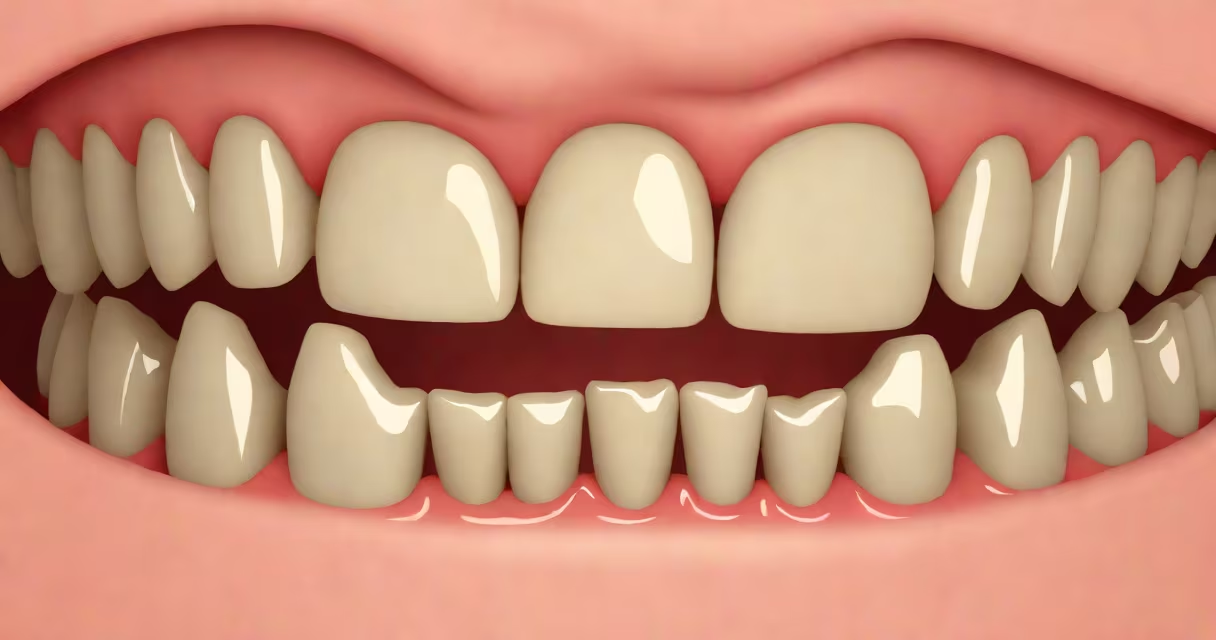
Teeth fall out primarily due to untreated gum disease, severe tooth decay, physical trauma, or age-related bone loss. This condition affects nearly half of adults over 65 in the U.S., according to the CDC. Losing a tooth is not normal at any age-it signals an underlying issue requiring attention.
Gum disease, or periodontitis, is the most common cause of adult tooth loss. It begins with gingivitis-swollen, bleeding gums caused by plaque buildup. If untreated, bacteria destroy the connective tissue and bone supporting teeth. As the foundation weakens, teeth loosen and eventually fall out. The American Dental Association reports that 47% of U.S. adults aged 30 and older have some form of periodontal disease.
Tooth decay leads to cavities that erode enamel and dentin. Left unchecked, decay reaches the pulp, causing infection and abscesses. These infections damage the root structure and surrounding bone. A 2021 study in the Journal of the American Dental Association found that untreated cavities were responsible for 23% of adult tooth loss cases in clinical samples.
Tooth loss doesn't happen overnight. It follows a predictable sequence: plaque accumulation → gingivitis → periodontitis → alveolar bone loss → tooth mobility → tooth loss. Early signs include red or swollen gums, persistent bad breath, and sensitivity to hot or cold foods.
When bone support deteriorates, the tooth's socket collapses. Without intervention, the gap widens. The adjacent teeth may shift into the empty space, altering bite alignment and increasing stress on remaining teeth. Over time, this creates a domino effect across the mouth.
A 2019 longitudinal study tracking 1,200 patients over 10 years showed that individuals with untreated periodontitis lost an average of 2.3 teeth per decade. Those who received regular cleanings and early treatment retained 94% of their natural teeth after 10 years.
Not all tooth loss stems from the same cause. Understanding the root trigger determines treatment and prevention.
| Trigger | Common Age Group | Key Signs | Prevention |
|---|---|---|---|
| Gum disease | 30-65+ | Bleeding gums, bad breath, loose teeth | Daily brushing, flossing, biannual cleanings |
| Tooth decay | All ages, peak 15-35 | Toothache, dark spots, sensitivity | Fluoride toothpaste, reduced sugar intake |
| Trauma | Children, teens, young adults | Chipped or knocked-out tooth, pain | Mouthguards during sports, childproofing homes |
| Aging and bone loss | 65+ | Shifting teeth, gaps, difficulty chewing | Regular dental exams, bone-strengthening nutrition |
Some people mistake minor tooth movement for normal aging. But even slight shifting indicates advanced gum disease. A dentist can detect early signs through probing depths and X-rays. If pocket depth exceeds 4mm, surgical intervention may be needed to prevent further loss.
Many assume tooth loss is inevitable with age. That's false. While risk increases after 60, healthy oral hygiene prevents most cases. The National Institute of Dental and Craniofacial Research states that 90% of tooth loss in seniors is preventable with consistent care.
Another myth: "Only poor people lose teeth." This is outdated. Low-income populations face higher rates due to limited access to care, but tooth loss affects all socioeconomic groups. A 2020 NHANES survey found that 1 in 6 adults with household incomes above $100,000 had lost at least one tooth due to neglect or delayed treatment.
Some believe that losing a baby tooth is harmless. While it's normal for children to shed primary teeth between ages 6 and 12, premature loss due to decay or trauma can disrupt permanent tooth eruption. A child who loses a molar early may develop crowding or misalignment, requiring orthodontic work later.
I once treated a 48-year-old man who hadn't seen a dentist in 12 years. He reported occasional bleeding while brushing but dismissed it. By the time he came in, his lower left molar was mobile and infected. An X-ray revealed near-total bone loss around the tooth. After extraction and bone grafting, he required a bridge to restore function.
He said, "I thought it was just getting old. I didn't think it would go this far." His case reflects a pattern: many delay care until pain or visible change occurs. By then, irreversible damage has already happened.
If you notice any of these signs, see a dentist within two weeks:
Early treatment stops progression. Scaling and root planing can reverse early periodontitis. Fillings halt cavity growth. Traumatic injuries require immediate evaluation-some teeth can be saved if reimplanted within 30 minutes.
For those with multiple missing teeth, options include implants, bridges, or dentures. Implants integrate with bone and last 15-25 years with proper care. Dentures are less invasive but require adaptation and regular adjustments.
Prevention is cheaper and faster than repair. Brush twice daily with fluoride toothpaste, floss once a day, limit sugary drinks, and visit your dentist every six months. These habits reduce tooth loss risk by over 70%, per the ADA.