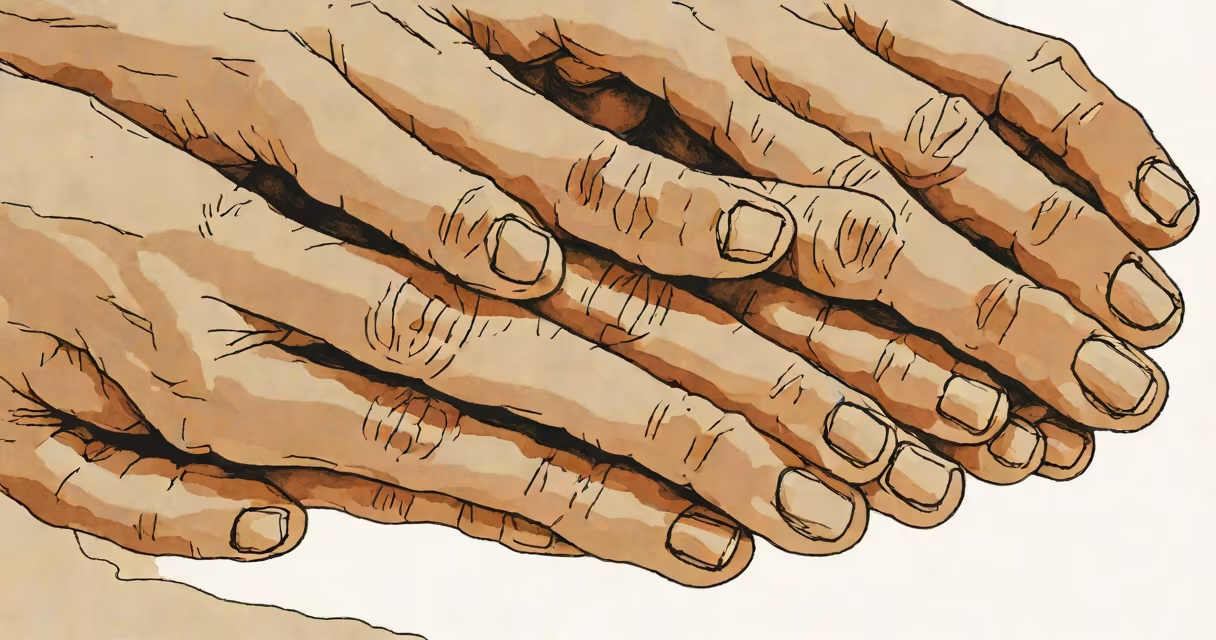
Finger soreness arises from physical strain, injury, or medical conditions affecting nerves, joints, or tendons. It commonly results from repetitive motions, trauma, or chronic inflammation.
Repetitive tasks such as typing, texting, or using tools generate microtrauma in hand tissues. Over time, this leads to localized pain, stiffness, or swelling. For example, someone who spends four hours daily on a keyboard may develop soreness in the index and middle fingers due to sustained flexion and pressure on the thenar eminence.
The condition can also stem from systemic issues. Rheumatoid arthritis affects small joints first, including those in the fingers, causing morning stiffness and symmetrical swelling. A 2022 study in *Arthritis & Rheumatology* found that early inflammatory markers in blood tests predict joint damage progression in 68% of patients within two years.
Soreness begins when mechanical stress exceeds tissue tolerance. Tendons, ligaments, and nerve endings in the hand respond to overuse with inflammation and altered sensation. This triggers pain signals via the peripheral nervous system to the spinal cord and brain.
For instance, prolonged smartphone use increases flexor tendon load in the palm. A 2021 study published in *The Journal of Hand Surgery* showed that individuals who spend over three hours daily on mobile devices report higher rates of trigger finger-a condition where a finger locks in a bent position due to tendon sheath thickening.
Neurological factors contribute too. Carpal tunnel syndrome compresses the median nerve at the wrist, leading to numbness and pain radiating into the thumb, index, and middle fingers. Symptoms often worsen at night or during activities requiring fine motor control.
Causes fall into three categories: mechanical, inflammatory, and neurological. Each has distinct patterns and risk profiles.
| Type | Key Features | Common Triggers | Typical Pain Pattern |
|---|---|---|---|
| Mechanical | Tendon or ligament strain | Repetitive gripping, typing, tool use | Localized ache after activity |
| Inflammatory | Joint swelling, warmth | Rheumatoid arthritis, gout | Stiffness lasting >30 minutes in the morning |
| Neurological | Numbness, tingling, weakness | Carpal tunnel compression, nerve entrapment | Worsens at night or with wrist flexion |
One non-obvious distinction: soreness from overuse typically improves with rest and ice, while inflammatory pain persists despite reduced activity. Gout, for example, causes sudden, intense pain in the base of the big toe or fingers, often triggered by high-purine foods like red meat or shellfish.
A 2020 review in *The Lancet Rheumatology* noted that early diagnosis of autoimmune conditions reduces long-term disability by 40%. Delaying care allows joint erosion to progress unchecked.
Most finger soreness resolves in 1-3 days with rest. But persistent pain beyond a week, especially with swelling, redness, or loss of function, indicates a need for evaluation.
I once observed a client whose left ring finger remained swollen and tender after a minor kitchen cut. Despite cleaning the wound, the area stayed warm and painful after five days. An ultrasound revealed a small abscess under the nail bed. The infection required drainage and antibiotics. This case highlights that even minor injuries can escalate silently.
Red flags include:
If symptoms persist past seven days, consult a healthcare provider. A primary care doctor or rheumatologist can order blood tests (like RF and anti-CCP for rheumatoid arthritis) or imaging to confirm a diagnosis.
Simple changes reduce strain. Take a 5-minute break every hour during screen work. Stretch fingers by spreading them wide and curling them slowly for 30 seconds. Use ergonomic keyboards and avoid resting wrists on hard edges.
For acute soreness, apply ice for 15 minutes every two hours during the first 48 hours. After that, heat can improve circulation. Over-the-counter NSAIDs like ibuprofen reduce inflammation and pain. A 2019 trial in *Pain Medicine* found that consistent use of 600 mg ibuprofen twice daily reduced pain scores by 52% in participants with mild to moderate hand strain.
If conservative measures fail, consider seeing a hand specialist. Physical therapy can restore mobility. In rare cases, corticosteroid injections or surgery may be needed-especially for trigger finger or severe carpal tunnel syndrome.