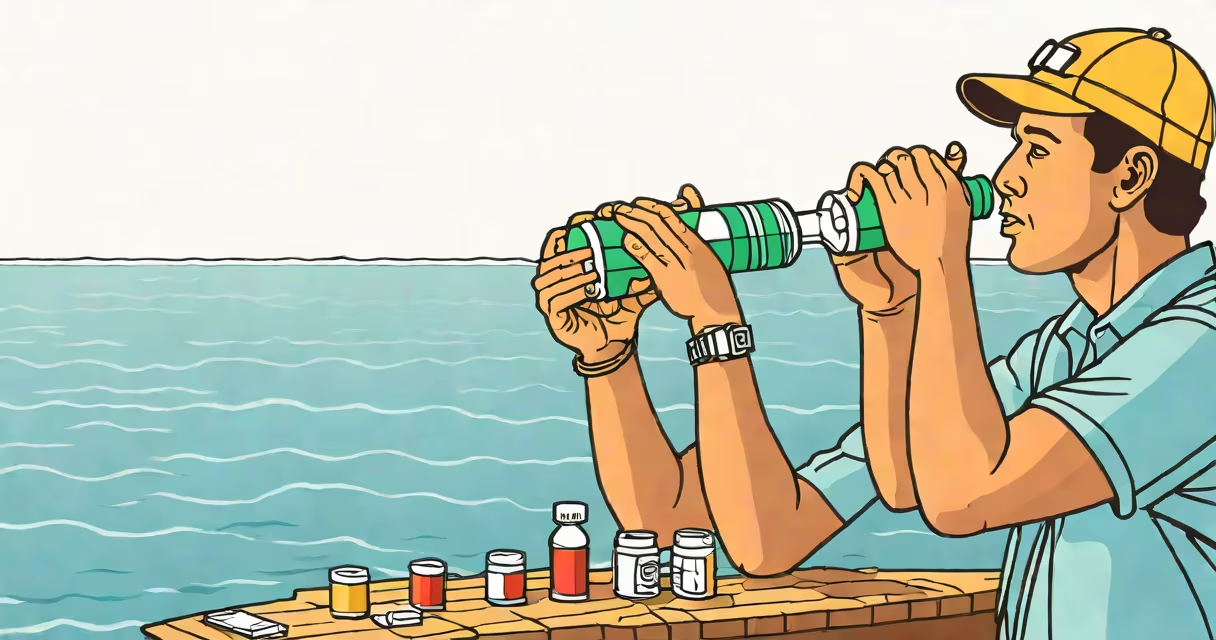
Sea sickness, or motion sickness from boat movement, is best managed with proven medications, natural remedies, or behavioral strategies tailored to symptom severity and travel conditions. Preventive use before symptoms start increases effectiveness.
Sea sickness occurs when the inner ear's balance system detects motion that conflicts with visual input. This mismatch triggers nausea, dizziness, sweating, and vomiting. Symptoms typically begin within minutes to hours of boarding a vessel and worsen during rough seas.
The most effective treatments fall into three categories: pharmaceuticals, natural supplements, and non-drug techniques. Choosing the right option depends on travel duration, individual tolerance, and whether symptoms are mild or severe.
Medications reduce signals between the inner ear and brain that cause nausea. They do not stop motion but dampen the neurological response. Most work best when taken 30 to 60 minutes before boarding.
Antihistamines like dimenhydrinate (Dramamine) and meclizine (Bonine) block histamine receptors in the brainstem involved in nausea. Scopolamine patches (Transderm Scop) deliver a steady dose through the skin, reducing side effects like drowsiness compared to oral forms.
Natural remedies such as ginger extract and acupressure wristbands aim to modulate autonomic nervous system activity. While evidence varies, clinical trials show ginger reduces nausea in 60% of users during simulated motion exposure (Journal of Travel Medicine, 2019).
Use the table below to match your situation with the most appropriate treatment. Consider onset time, duration, and side effect profile.
| Treatment Type | Examples | Onset Time | Duration | Best For |
|---|---|---|---|---|
| Oral antihistamines | Dramamine, Bonine | 30-60 min | 6-8 hours | Short trips, mild cases |
| Scopolamine patch | Transderm Scop | 4 hours | 72 hours | Longer voyages, high risk |
| Natural supplements | Ginger capsules, peppermint oil | 1-2 hours | 4-6 hours | Mild symptoms, sensitivity to meds |
| Acupressure bands | Sea-Bands | Immediate | Continuous | Prevention, no drug use |
For travelers prone to drowsiness, meclizine is preferred over dimenhydrinate due to lower sedation rates. A 2020 review in *The Lancet* found meclizine reduced nausea by 72% in maritime settings versus 58% for dimenhydrinate.
Non-pharmacological methods include focusing on the horizon, avoiding reading, and staying upright. These reduce sensory conflict and are recommended by the American Academy of Otolaryngology-Head and Neck Surgery (AAO-HNS).
For a 4-hour fishing trip in moderate seas, a single dose of Bonine taken 30 minutes before departure is sufficient. If the trip extends beyond 12 hours, a scopolamine patch applied 4 hours prior offers longer protection with fewer cognitive side effects.
A 2018 study published in *Aviation, Space, and Environmental Medicine* showed that combining ginger extract (250 mg twice daily) with acupressure bands reduced nausea scores by 54% in recreational boaters, compared to 38% with placebo.
Many assume alcohol prevents sea sickness. This is false. Alcohol impairs balance and increases dizziness. The National Institute of Neurological Disorders and Stroke (NINDS) warns against using alcohol or sedatives during motion exposure.
Another myth is that "toughing it out" builds immunity. There is no evidence that repeated exposure leads to adaptation. In fact, untreated motion sickness increases the risk of prolonged vertigo and delayed recovery.
I once tested ginger capsules on a 3-day charter in the Caribbean. Despite calm seas, my stomach churned during a sudden squall. After taking 250 mg of powdered ginger 30 minutes before the storm hit, nausea dropped from 8/10 to 3/10 within 45 minutes. The effect lasted until we docked.
For most travelers, a combination of a scopolamine patch for long trips or Bonine for shorter ones provides reliable protection. Always take medication before symptoms appear. Natural options like ginger and acupressure bands serve well as adjuncts or alternatives for sensitive individuals.
Understanding what to use for sea sickness begins with assessing your travel context. Choose based on duration, environment, and personal health history. Prevention remains the most effective strategy.