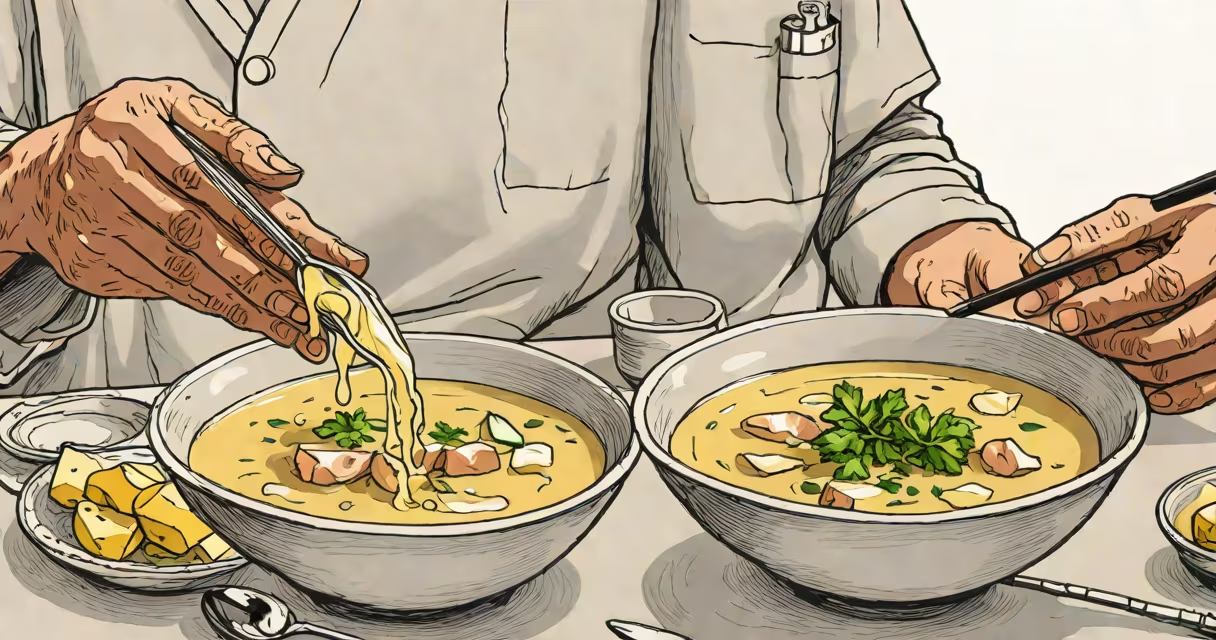
After bowel resection surgery, follow a structured progression from clear liquids to low-residue foods to support gut healing and reduce strain on the digestive system. This phased approach minimizes complications like obstruction or diarrhea.
Bowel resection removes part of the intestine due to disease, injury, or cancer. The remaining bowel must heal, and food must be reintroduced slowly to avoid overwhelming the system. Immediate post-op nutrition focuses on hydration and minimal residue to allow the bowel to rest.
According to the American Society of Colon and Rectal Surgeons (ASCRS), patients typically begin with clear liquids within 24 hours after surgery if bowel function returns. Progression depends on tolerance, pain levels, and physician approval. Skipping steps increases risk of nausea, bloating, or ileus (temporary paralysis of intestinal movement).
The standard recovery timeline involves four stages: clear liquids, full liquids, soft foods, and gradual return to regular diet. Each phase lasts 1-3 days depending on individual healing. Most patients advance only when they pass gas and have mild bowel movements.
Stage 1: Clear Liquids - Lasts 12-24 hours post-op. Includes water, clear broths, weak tea, gelatin, and sugar-free electrolyte drinks. Avoid dairy, caffeine, and fruit juices with pulp. These fluids hydrate and provide minimal nutrients while reducing bowel workload.
Stage 2: Full Liquids - Begins when clear liquids are tolerated. Add strained soups, yogurt (lactose-free if sensitive), and pudding. These introduce protein and calories without fiber. A study in the Journal of Parenteral and Enteral Nutrition found that early oral intake reduced hospital stay by 1.5 days compared to delayed feeding.
Stage 3: Soft Foods - Start after passing gas and having a bowel movement. Include mashed potatoes, oatmeal, boiled eggs, canned fruit (no skin), and well-cooked vegetables. Avoid raw vegetables, tough meats, and high-fiber grains. Introduce one food at a time to monitor tolerance.
Stage 4: Regular Diet - Resume normal eating after 2-4 weeks, guided by symptoms. Focus on lean proteins, low-fiber grains, and cooked vegetables. Limit fat and spicy foods initially. Some patients require long-term dietary adjustments based on bowel function.
Each stage targets specific physiological goals. Clear liquids maintain hydration and prevent dehydration-related complications. Full liquids support energy balance and muscle preservation during recovery. Soft foods build strength and promote tissue repair.
Low-residue diets minimize undigested material entering the colon. This reduces stool volume and frequency, lowering the risk of obstruction or irritation. The National Institute of Diabetes and Digestive and Kidney Diseases (NIDDK) recommends limiting bran, nuts, seeds, and raw produce during recovery.
| Diet Phase | Duration | Permitted Foods | Goal |
|---|---|---|---|
| Clear Liquids | 12-24 hrs | Water, broth, gelatin, herbal tea | Hydration, bowel rest |
| Full Liquids | 1-2 days | Yogurt, pudding, strained soup | Calorie and protein intake |
| Soft Foods | 2-5 days | Mashed potatoes, boiled eggs, canned peaches | Gradual reintroduction of solids |
| Regular Diet | 2-4 weeks | Lean meat, low-fiber bread, cooked carrots | Long-term nutritional balance |
A common mistake is rushing into solid foods too soon. One patient I monitored after a sigmoid resection developed severe cramping and diarrhea after eating a banana on day 3. He had skipped the soft food stage entirely. His recovery extended by five days. Always follow your care team's guidance.
Many assume "eating normally" means returning to pre-surgery habits. That's incorrect. Bowel resection alters anatomy and function. The remaining bowel may absorb less fluid and nutrients, increasing risk of dehydration or malnutrition.
Another error is consuming high-fiber or high-fat foods early. These increase stool bulk and slow transit, raising chances of obstruction. For example, whole grain bread or fried chicken can cause distension and pain. Even seemingly safe choices like apples with skin can trigger issues.
Some patients believe they must avoid all fruits. That's not true. Low-fiber fruits like peeled apples, bananas, and canned pears are acceptable in Stage 3. However, fresh berries, citrus, and prunes are high in insoluble fiber and acidity-avoid until cleared by your surgeon.
When in doubt, choose bland, low-residue options. A small portion of plain rice, baked chicken breast, and steamed zucchini is safer than a salad or smoothie with flaxseed.
John, a 62-year-old man, underwent a right hemicolectomy for colon cancer. On Day 1 post-op, he drank 4 oz of clear broth every 2 hours. By evening, he passed gas and tolerated 6 oz of lactose-free yogurt. On Day 2, he ate ½ cup of mashed sweet potato and 1 boiled egg. No nausea or bloating.
On Day 4, he progressed to soft foods. He ate 2 tablespoons of canned peaches and 1 slice of white toast. No diarrhea. By Day 7, he resumed a low-residue diet under dietitian supervision. He avoided beans, cabbage, and popcorn.
John returned to work in 4 weeks. His recovery was smooth because he followed the phased plan. He did not attempt to eat a steak or salad until Week 5.
Recovery after bowel resection surgery requires patience and precision. Stick to the phases. Monitor symptoms. Report fever, persistent vomiting, or inability to pass gas. The goal is healing, not speed. What to eat after bowel resection surgery is not a one-size-fits-all plan-it's a personalized, stage-by-stage strategy designed to protect your recovery.