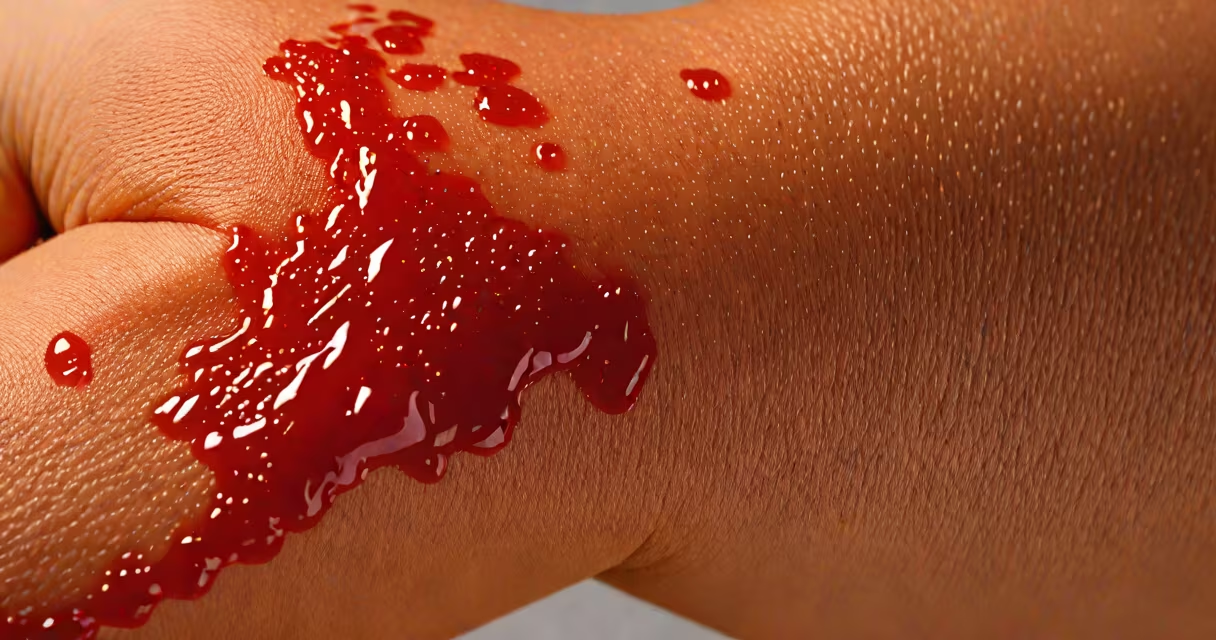
Sun poisoning is a severe form of sun damage caused by prolonged or intense ultraviolet (UV) radiation exposure, resulting in systemic symptoms like fever, chills, nausea, dizziness, and blistering skin. It's not a rare condition-over 30 million Americans experience sunburn annually, and a subset progress to sun poisoning requiring medical attention.
Unlike mild sunburn, which affects only the skin, sun poisoning triggers a full-body response. The immune system overreacts to UV-damaged cells, releasing inflammatory chemicals that raise core temperature and disrupt fluid balance. This leads to symptoms beyond skin pain, including fatigue, confusion, and rapid heartbeat. According to the American Academy of Dermatology, sun poisoning occurs when UV exposure exceeds the skin's ability to repair DNA damage, especially in fair-skinned individuals or those using photosensitizing medications.
Immediate action reduces complications. Cool the skin, hydrate orally, and avoid further sun exposure. If fever exceeds 101°F (38.3°C), blisters cover more than 10% of the body, or signs of dehydration appear-seek medical care within hours. Delaying treatment increases infection risk and scarring.
When UV rays penetrate the epidermis, they damage keratinocytes-the skin's primary protective cells. These cells release cytokines, signaling immune cells to migrate to the site. This cascade causes inflammation, redness, swelling, and pain. In severe cases, the body treats damaged tissue as foreign, triggering a fever-like response.
UVB rays are primarily responsible for sun poisoning. They directly alter DNA structure, creating thymine dimers that disrupt cell replication. If unrepaired, these mutations increase long-term skin cancer risk. UVA rays contribute by generating free radicals that degrade collagen and elastin, accelerating aging and weakening the skin barrier.
A 2021 study in *The Journal of Investigative Dermatology* found that individuals with a history of sunburn before age 20 have a 60% higher lifetime risk of melanoma. Sun poisoning is not just painful-it's a measurable health hazard with lasting consequences.
Recognizing sun poisoning early prevents escalation. Common signs include:
These differ from standard sunburn, which typically causes localized redness, tenderness, and peeling. Sun poisoning involves systemic effects-your body feels sick, not just your skin. For example, a person who spends 6 hours on a beach without sunscreen may develop a sunburn that worsens into sun poisoning by evening, with chills and headache appearing after returning indoors.
Some confuse sun poisoning with heat stroke. While both involve high body temperature, heat stroke results from overheating due to hot environments, not UV exposure. Heat stroke often presents with altered mental status and dry skin. Sun poisoning usually causes moist, blistered skin and lower-grade fever. Misdiagnosis delays proper care.
Start cooling the skin within 15 minutes of noticing symptoms. Apply cool (not icy) compresses or take a lukewarm bath. Avoid cold water, which constricts blood vessels and traps heat in tissues. A 2019 review in *Dermatologic Therapy* recommends soaking in a bath with colloidal oatmeal to soothe inflamed skin.
Hydration is critical. Sun poisoning depletes fluids through sweating and skin evaporation. Drink 16-24 ounces of water or electrolyte solution per hour until urine is pale yellow. Avoid alcohol and caffeine-they worsen dehydration. Over-the-counter pain relievers like ibuprofen (600 mg every 6 hours) reduce inflammation and fever. Acetaminophen helps with pain but doesn't address swelling.
Do not pop blisters. They act as natural barriers against infection. Popping increases risk of bacterial entry and scarring. Keep blisters clean with sterile gauze and avoid tight clothing. Cover with non-stick bandages if needed.
Consult a healthcare provider if:
Emergency care is necessary for widespread blistering or systemic illness. Hospitals may administer IV fluids, antibiotics, or steroids. A 2020 report from the CDC noted that 1 in 5 sun poisoning cases seen in ERs required hospitalization due to secondary infections or dehydration.
Preventing sun poisoning begins with daily sun protection. Use broad-spectrum sunscreen with SPF 30 or higher, applied 15 minutes before outdoor exposure. Reapply every two hours or after swimming. Wear wide-brimmed hats, UV-blocking sunglasses, and loose-fitting, long-sleeved clothing.
Be aware of medication interactions. Antibiotics like doxycycline, certain diuretics, and retinoids increase photosensitivity. Even some over-the-counter acne treatments contain benzoyl peroxide, which heightens UV sensitivity. Check product labels or consult a pharmacist.
Firsthand experience confirms prevention matters. After spending a day hiking in Arizona without sunscreen, I developed blistering on my neck and shoulders within four hours. The pain was intense, and I felt dizzy by late afternoon. I spent the night in bed with a cool cloth and oral rehydration solution. Recovery took five days. Since then, I've worn SPF 50 sunscreen and a hat on all outdoor trips.
Understanding the scale of solar exposure helps too. The sun is 864,000 miles in diameter-about 109 times Earth's size-and emits enough UV energy in one hour to power all human activity for a year. Yet, just 15 minutes of unprotected exposure during peak UV hours (10 a.m.-4 p.m.) can trigger sun poisoning in susceptible individuals.
Recognizing the signs early and acting fast reduces risk. Sun poisoning isn't just a bad burn-it's a medical event. If you suspect it, cool the skin, hydrate, and seek care if symptoms persist or worsen. Prevention is always easier than treatment.