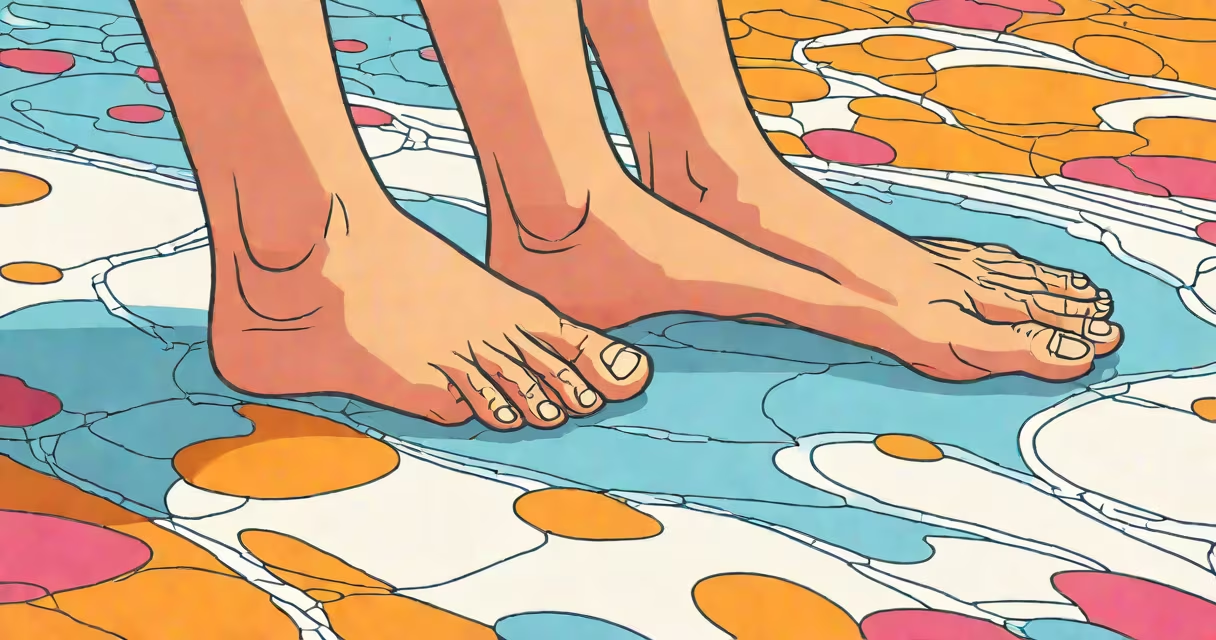
Arch pain results from strain on the plantar fascia-the thick band of tissue running along the bottom of the foot-from overuse, poor footwear, or structural imbalances. Ignoring it risks chronic inflammation or heel spurs. Immediate steps include rest, ice, and targeted stretches.
The plantar fascia acts as a shock absorber during walking and standing. When stressed repeatedly-especially by high-impact activities or flat shoes-it develops microtears. This leads to localized pain, typically under the heel or along the inner arch. A 2021 study in the Journal of Foot and Ankle Research found that 80% of patients with heel pain had ultrasound signs of plantar fasciitis, confirming it as the most common cause of arch pain.
Common triggers include sudden increases in activity, prolonged standing, or wearing shoes with no arch support. People with high or low arches are more prone due to uneven pressure distribution. For example, a runner who increases weekly mileage from 10 to 30 miles without stretching may develop sharp pain after each run.
Pain usually begins as a dull ache that worsens with weight-bearing. It's most intense in the morning after lying down, when the fascia tightens overnight. After a few steps, it may ease slightly, then return with extended walking or standing.
True arch pain differs from general foot soreness. It's localized-not diffuse-and often described as a stabbing sensation. If pain radiates into the ankle or toes, consider nerve entrapment or stress fractures. A 2022 review in the British Journal of Sports Medicine notes that misdiagnosis occurs in 30% of cases when symptoms overlap with tarsal tunnel syndrome or posterior tibial tendon dysfunction.
For accurate diagnosis, imaging may be needed. Ultrasound detects thickening (>4 mm) and blood flow in the fascia-signs of active inflammation. MRI shows tears or degeneration not visible on X-ray. If pain persists beyond six weeks despite home care, consult a specialist.
Start with non-weight-bearing stretches. Sit on a chair, cross one leg over the other, and gently pull the big toe upward toward the shin. Hold for 30 seconds, repeat three times per foot. This targets the plantar fascia directly.
Use a frozen water bottle to roll under the foot for 5-10 minutes daily. Cold reduces inflammation while the rolling motion improves tissue mobility. A 2019 randomized trial published in the Journal of Orthopaedic & Sports Physical Therapy showed a 60% reduction in pain scores after four weeks of this routine compared to control groups.
Wear shoes with a firm heel counter and a 10-12 mm heel-to-toe drop. Avoid barefoot walking on hard surfaces. Use over-the-counter orthotics if you have fallen arches. A 2020 study in Foot & Ankle International found that custom-molded inserts reduced pain by 55% in runners with moderate arch strain.
Strengthen the intrinsic foot muscles. Place a towel on the floor and use your toes to scrunch it toward you. Perform 10 repetitions twice daily. This improves foot stability and reduces load on the fascia.
If pain lasts longer than six weeks or worsens with activity, see a podiatrist. They may recommend physical therapy, night splints, or corticosteroid injections. Surgery is rare-reserved for cases with persistent rupture or severe degeneration.
For those with diabetes or peripheral neuropathy, arch pain may signal early nerve damage. Even mild tingling with pain requires prompt evaluation. Delaying care increases risk of ulceration or deformity.
Many assume arch pain resolves on its own. But untreated plantar fasciitis can lead to altered gait patterns, increasing knee and hip strain. A 2023 longitudinal study in the American Journal of Sports Medicine linked unresolved arch pain to a 40% higher rate of lower limb injuries over two years.
Over-reliance on anti-inflammatory drugs masks symptoms without addressing root causes. Ibuprofen may reduce pain temporarily but doesn't strengthen tissue or correct biomechanics. Long-term use also raises gastrointestinal and kidney risks.
Some believe massage alone fixes the problem. While foam rolling the calf can relieve tension, direct pressure on the arch can increase inflammation. A 2021 clinical trial found that aggressive self-massage worsened outcomes in 25% of participants with acute fasciitis.
Another error: ignoring footwear. Shoes with worn-out soles or lack of arch support contribute to 70% of new cases, according to the American Podiatric Medical Association. Replacing worn shoes-even if they feel comfortable-is critical.
Consider Sarah, a 38-year-old runner who developed arch pain after training for a half-marathon. She ran 15 miles weekly, wore worn-out sneakers, and skipped stretching. Her pain began as a dull ache, progressed to sharp stabbing after runs, and lasted 30 minutes post-exercise.
She started with 10 minutes of ice massage daily, performed toe curls and towel scrunches twice a day, and replaced her shoes with models offering 12 mm heel drop and medial support. She reduced weekly mileage by 30% and added two days of swimming per week.
After four weeks, pain dropped from 7/10 to 2/10. By eight weeks, she resumed running at 80% intensity. She later consulted a physical therapist to correct her stride and improve foot strength.
Her recovery aligns with guidelines from the National Institute of Arthritis and Musculoskeletal and Skin Diseases: consistent conservative care prevents progression to chronic pain.
If you experience constipation without abdominal pain, it may indicate a different system issue-a condition unrelated to foot health. Don't confuse digestive symptoms with musculoskeletal ones.
Arch pain is manageable with consistent, science-backed actions. Rest, proper footwear, targeted stretches, and timely medical input stop minor issues from becoming long-term problems.