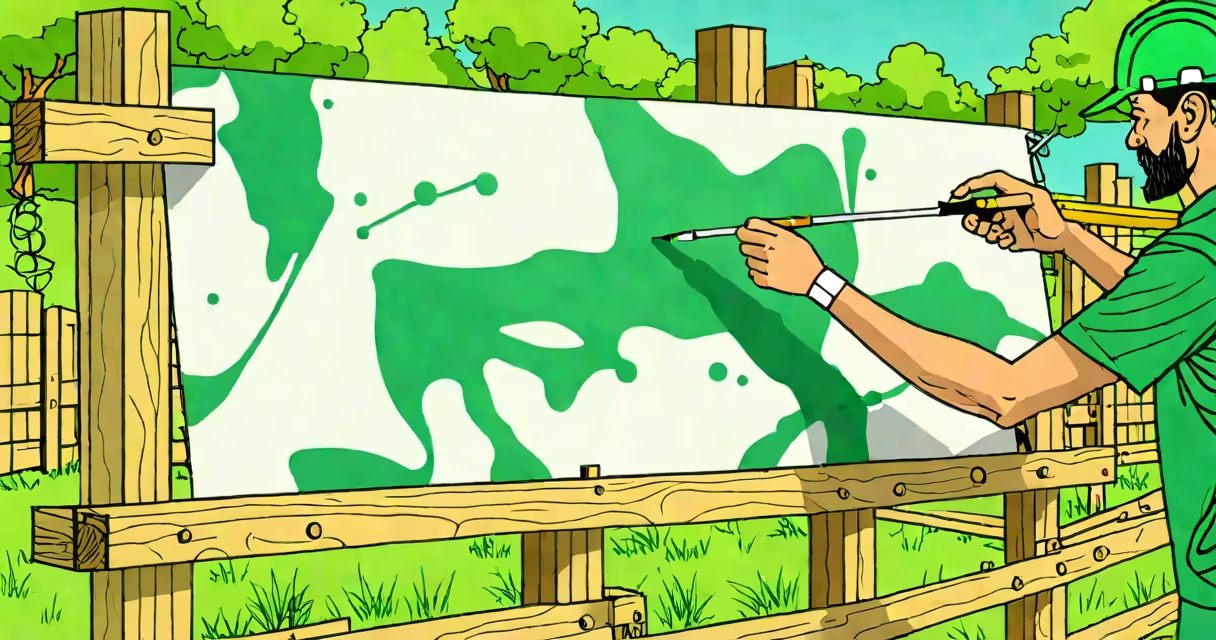
The ideal temperature to paint outside is between 50°F and 90°F (10°C to 32°C). Painting within this range ensures proper adhesion, consistent drying, and long-term durability of the finish. Temperatures below 50°F slow solvent evaporation and prevent proper film formation. Above 90°F, paint dries too quickly, leading to brush marks, poor leveling, and increased risk of cracking.
Paint is a complex mixture of resins, solvents, pigments, and additives. When applied, the solvent evaporates, allowing the resin to form a continuous film. This process requires stable ambient temperatures. According to the U.S. Environmental Protection Agency (EPA), temperature extremes disrupt the curing chemistry of most latex and oil-based paints. For example, water-based acrylics require a minimum of 50°F to cure properly, while alkyd-based oil paints need at least 60°F for optimal performance.
Relative humidity also plays a role. Ideal humidity levels for exterior painting are between 40% and 70%. High humidity slows drying and increases the chance of mildew growth. Low humidity accelerates drying, causing surface defects. A 2022 study by the National Institute of Standards and Technology (NIST) found that paint applied at 70°F with 55% humidity achieved 92% of its maximum tensile strength after 7 days, while paint applied at 40°F showed only 63% strength under the same conditions.
When temperatures drop below 50°F, the chemical reaction that forms the paint film slows. Solvents in both water-based and oil-based paints don't evaporate efficiently, leading to a sticky or tacky surface. This results in poor adhesion and increased susceptibility to moisture penetration. In cold conditions, paint may appear dry on the surface but remain uncured underneath, making it vulnerable to peeling and blistering.
Conversely, temperatures above 90°F cause rapid solvent evaporation. The paint surface hardens before the underlying layers have time to level out. This leads to visible brush strokes, uneven sheen, and micro-cracks. High heat also causes paint to sag on vertical surfaces due to reduced viscosity. The American Coatings Association notes that paint applied above 95°F shows a 30% higher incidence of surface defects compared to work done between 65°F and 75°F.
Wind speed matters too. Excessive wind increases solvent loss and can blow dust onto wet paint. A steady breeze of 5-10 mph is acceptable, but gusts over 15 mph can ruin a fresh coat. Always check the forecast for temperature stability during the expected drying window-typically 4 to 8 hours after application.
Many homeowners assume that if the sun is shining, it's safe to paint. That's incorrect. Surface temperature can exceed air temperature by 20°F on direct sunlight. A morning temperature of 65°F with full sun can make a wood fence reach 85°F-well into the danger zone for paint drying issues. Use a digital infrared thermometer to measure actual surface temperature before painting.
Another common error is painting in early morning or late evening when air temps are near 50°F but the sun has warmed the surface. The paint may feel dry quickly, but internal curing remains incomplete. This creates a false sense of readiness. Always wait until both air and surface temps are within the recommended range.
Some believe that "all-weather" paints can be applied in any condition. While certain formulations are designed for wider temperature ranges-such as those labeled "-10°F to 120°F tolerance"-they still require a minimum of 45°F for proper film formation. Even these products show reduced durability if applied below 50°F. Always verify the manufacturer's technical data sheet (TDS).
You begin at 10 a.m., when air temp is 70°F and surface temp is 72°F. You apply two coats with a 4-hour dry time between each. By 3 p.m., the second coat is dry to the touch. The paint holds its rich color, shows no brush marks, and has a uniform sheen. After 24 hours, the surface is fully cured and resistant to rain.
If you had painted at 5 a.m., when air temp was 52°F and surface temp was 58°F, the paint would have dried slowly. After 12 hours, it would still feel slightly tacky. Rain later that day would have caused blisters and peeling. The same result occurs if you paint at 85°F with direct sun-the paint would flash-dry, creating a rough texture and visible streaks.
| Paint Type | Min Temp (°F) | Max Temp (°F) | Best Time to Apply |
|---|---|---|---|
| Latex Acrylic | 50 | 90 | 10 a.m. - 3 p.m. |
| Oil-Based Alkyd | 60 | 95 | 11 a.m. - 4 p.m. |
| Water-Based Stain | 45 | 85 | 9 a.m. - 2 p.m. |
| High-Performance Enamel | 55 | 90 | 10 a.m. - 3 p.m. |
These values are based on manufacturer specifications from Sherwin-Williams and Benjamin Moore. Always consult the product's technical data sheet before use. Some specialty paints allow lower limits, but they often require longer drying times and additional priming steps.
I once painted a porch in late spring when the temperature hovered around 50°F. I waited until midday, when the sun had warmed the wood. Despite the air being 50°F, the surface reached 62°F. The paint went on smoothly and cured well. But on a neighboring property, a neighbor painted at 48°F in the shade. Within 48 hours, the coating began to peel. The difference wasn't the paint-it was the temperature.
For best results, monitor both air and surface temperature. Use a digital thermometer with a probe. Apply paint only when both readings fall within the recommended range. Avoid painting during sudden temperature drops or rapid changes. Allow at least 24 hours of stable conditions after application before exposing the surface to rain or heavy use.
Understanding the correct temperature to paint outside prevents costly mistakes. Stick to 50°F to 90°F for most exterior projects. Check the label, test the surface, and plan your work around the weather. Proper timing ensures a durable, professional-quality finish-even on a bold choice like emerald green paint.