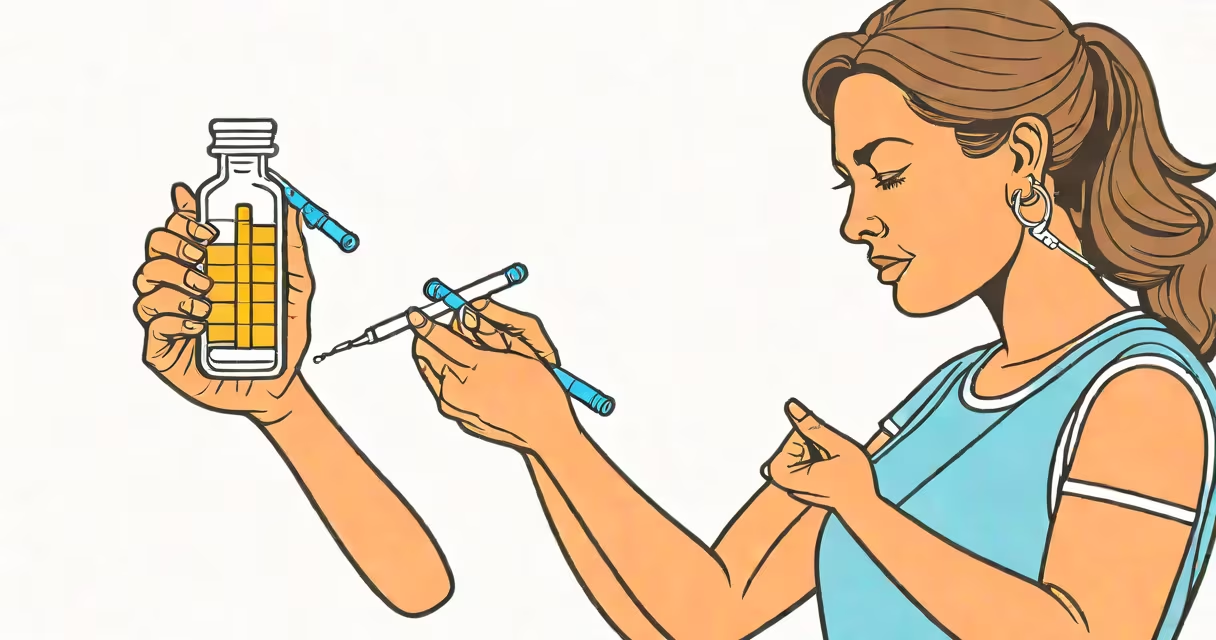
Medications that help lose weight include FDA-approved prescription drugs such as semaglutide (Ozempic, Wegovy) and tirzepatide (Zepbound, Mounjaro), which work by mimicking hormones that regulate appetite and blood sugar. These drugs are prescribed for adults with obesity or overweight who have at least one weight-related condition like type 2 diabetes or hypertension.
Weight loss medications function primarily by activating glucagon-like peptide-1 (GLP-1) receptors in the brain and gut. This slows gastric emptying, increases satiety, and reduces hunger signals. Clinical trials show patients using these drugs average 10-15% body weight reduction over 68 weeks, more than placebo groups.
Not all weight-loss drugs are approved for long-term use. Some older medications like phentermine (a stimulant) are limited to short-term treatment due to cardiovascular risks. Newer agents like semaglutide and tirzepatide are designed for sustained use under medical supervision. They are not available over the counter and require a prescription based on BMI and health history.
These drugs mimic natural hormones involved in metabolism. GLP-1 agonists like semaglutide replicate the action of GLP-1, a hormone released after eating that signals fullness. By binding to GLP-1 receptors in the hypothalamus, they reduce food intake and delay digestion.
Tirzepatide goes further-it activates both GLP-1 and glucose-dependent insulinotropic polypeptide (GIP) receptors. GIP enhances insulin release and may improve fat metabolism. This dual mechanism leads to greater weight loss compared to single-target agents. In the SURMOUNT-1 trial, participants using tirzepatide lost an average of 22.5% of their body weight over 72 weeks.
A 2023 study published in *The New England Journal of Medicine* confirmed that semaglutide reduced major adverse cardiovascular events by 26% in people with type 2 diabetes and high cardiovascular risk. This demonstrates that weight loss medication isn't just about shedding pounds-it improves metabolic health and reduces long-term disease burden.
The following table outlines the main FDA-approved weight loss medications, their mechanisms, and indications:
| Drug Name | Active Ingredient | Primary Mechanism | Approved For | Typical Dose |
|---|---|---|---|---|
| Ozempic | Semaglutide | GLP-1 receptor agonist | Type 2 diabetes, weight management | 0.5-1 mg weekly |
| Wegovy | Semaglutide | GLP-1 receptor agonist | Chronic weight management (BMI ≥27) | 2.4 mg weekly |
| Mounjaro | Tirzepatide | GLP-1/GIP dual agonist | Type 2 diabetes | 5-15 mg weekly |
| Zepbound | Tirzepatide | GLP-1/GIP dual agonist | Weight management (BMI ≥27) | 5-15 mg weekly |
Wegovy and Zepbound are specifically approved for chronic weight management in adults with a BMI of 27 or higher who have at least one weight-related condition. Ozempic and Mounjaro are approved for type 2 diabetes but are increasingly prescribed off-label for weight loss due to their effectiveness.
One common misconception is that these drugs are "fat burners." They do not increase metabolic rate or directly break down fat stores. Instead, they reduce caloric intake by curbing appetite. A patient using semaglutide may eat 300 fewer calories per day without feeling deprived-leading to gradual, sustainable weight loss.
Many assume that weight loss medication replaces diet and exercise. That's incorrect. These drugs are most effective when combined with lifestyle changes. A 2022 study in *JAMA Internal Medicine* showed patients on semaglutide who also followed a calorie-restricted diet and exercised lost 1.5 times more weight than those relying solely on medication.
Another myth is that side effects are rare. Nausea, vomiting, and diarrhea occur in up to 30% of users during the initial dose escalation phase. These symptoms usually subside within a few weeks. More serious concerns include pancreatitis and gallbladder disease-rare but documented in clinical trials.
These drugs are not suitable for everyone. They're contraindicated in individuals with a personal or family history of medullary thyroid cancer. Patients with a history of severe gastrointestinal disorders should be evaluated carefully before starting treatment.
In 2021, a 45-year-old woman with a BMI of 38 and prediabetes began using semaglutide 0.25 mg weekly, increasing to 2.4 mg over four months. She also reduced her daily caloric intake by 500 kcal and walked 8,000 steps daily. After 48 weeks, she lost 26 pounds (11.8 kg), reducing her BMI to 31. Her fasting glucose dropped from 118 mg/dL to 92 mg/dL, and her HbA1c improved from 5.8% to 5.4%.
She reported mild nausea during the first month, which resolved after adjusting the injection schedule. She did not experience hypoglycemia, despite being on metformin. Her primary care physician emphasized that medication alone wouldn't sustain results-she needed ongoing behavioral support.
While prescription drugs offer useful tools, not everyone qualifies or wants medication. Non-pharmacological strategies include dietary patterns like intermittent fasting, low-carbohydrate diets, and increased protein intake. Research shows that replacing refined carbs with whole grains and lean proteins can lead to 1-2 pounds of weight loss per week.
For example, a 2020 randomized controlled trial in *The Lancet* found that participants on a Mediterranean-style diet with moderate caloric restriction lost an average of 10.5 pounds over six months-comparable to early-phase drug results-but without medication side effects.
Some people turn to supplements like green tea extract or garcinia cambogia. However, evidence from the National Institutes of Health shows inconsistent results. Green tea extract may slightly boost metabolic rate by 3-4%, but effects are modest and not clinically significant for most individuals.
If you're considering options, what tea helps you lose weight includes green tea and oolong tea, which contain compounds that may mildly improve fat oxidation. But these are not replacements for medical therapy in cases of obesity.
What medicine helps lose weight depends on individual health status, goals, and willingness to commit to long-term changes. Prescription drugs are useful but not a shortcut. They require monitoring, lifestyle integration, and realistic expectations.
When used appropriately, medications like semaglutide and tirzepatide can change outcomes for people struggling with obesity. But they are most effective when part of a complete plan-not a standalone fix.