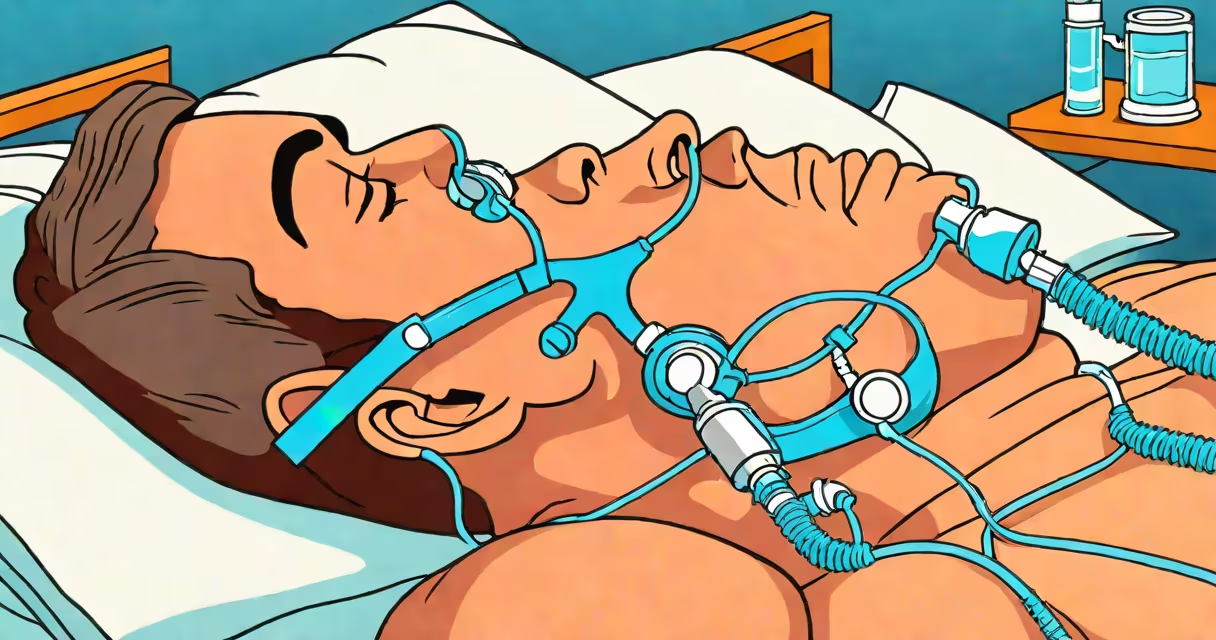
The best snoring solution depends on the underlying cause-whether it's anatomical, positional, or linked to sleep apnea. For obstructive sleep apnea, continuous positive airway pressure (CPAP) therapy is clinically proven to eliminate snoring and improve breathing during sleep. For mild to moderate snoring without apnea, oral appliances or nasal strips may provide effective relief.
Snoring occurs when airflow through the mouth and nose is partially blocked during sleep. This vibration of soft tissues in the upper airway produces the sound. The most effective solution addresses the root cause rather than masking symptoms. A 2021 review in Sleep Medicine Reviews found that CPAP reduces snoring in 90% of patients with moderate to severe obstructive sleep apnea, making it the most reliable intervention for medically significant snoring.
When snoring stems from nasal congestion or a deviated septum, saline sprays or nasal dilators can reduce turbulence in airflow. For people who snore primarily when lying on their back, positional therapy-using a pillow or wearable device to encourage side sleeping-can cut snoring episodes by up to 60%, according to a 2019 study published in Journal of Clinical Sleep Medicine.
CPAP machines deliver a steady stream of pressurized air through a mask, keeping the airway open throughout the night. This prevents the collapse of soft tissue that causes both snoring and apneas. The device adjusts pressure based on individual needs and is often prescribed after a sleep study confirms apnea.
Oral appliances, such as mandibular advancement devices (MADs), reposition the lower jaw forward, which opens the airway and reduces tongue collapse. These are FDA-cleared for treating mild to moderate sleep apnea and have shown success rates of 70-80% in reducing snoring, per the American Academy of Dental Sleep Medicine.
Nasal strips and internal nasal dilators increase the diameter of the nasal passages, reducing resistance to airflow. They're most effective when snoring originates from nasal obstruction due to allergies or structural issues. However, they don't address tongue or soft palate movement, so their impact on snoring is limited in severe cases.
| Solution Type | Best For | Effectiveness | Cost Range |
|---|---|---|---|
| CPAP Therapy | Obstructive sleep apnea, severe snoring | 90% reduction in snoring (clinical trials) | $500-$2,500 |
| Oral Appliances (MADs) | Mild to moderate apnea, positional snoring | 70-80% success rate in reducing snoring | $600-$1,200 |
| Nasal Strips/Dilators | Nasal congestion, allergic rhinitis | 30-50% improvement in airflow | $10-$30/year |
| Positional Therapy Devices | Back-sleeping snorers, no apnea | Up to 60% reduction in snoring events | $50-$200 |
CPAP remains the most effective solution for those diagnosed with sleep apnea. A 2022 meta-analysis in Respiratory Care showed that consistent CPAP use improves daytime alertness, lowers blood pressure, and reduces cardiovascular risk associated with untreated apnea.
For individuals without apnea but who snore due to anatomy or posture, oral appliances are a common alternative. Custom-fitted models from dentists outperform over-the-counter versions. A 2020 study in Journal of Oral Rehabilitation found that professionally fitted MADs reduced snoring intensity by 65% compared to 38% for generic models.
Many assume that over-the-counter sprays or home remedies like elevating the head with extra pillows solve snoring permanently. While these may reduce noise temporarily, they do not correct airway collapse. Elevating the head doesn't prevent the tongue from falling back into the throat during deep sleep.
A frequent error is choosing a solution based on price or marketing claims. Devices sold online with "clinically proven" labels often lack peer-reviewed validation. The FDA does not approve all anti-snoring products, so verifying regulatory status is essential. Only CPAP and approved oral appliances carry formal clearance for treating sleep-disordered breathing.
Another misunderstanding is equating snoring with sleep apnea. Not all snorers have apnea. According to the American Sleep Apnea Association, about 40% of habitual snorers have no apnea. But 80% of people with moderate to severe apnea snore regularly. This distinction matters because treating apnea requires medical evaluation, not just lifestyle changes.
I worked with a 48-year-old man who reported loud snoring and daytime fatigue. His partner said he stopped breathing briefly several times per hour. A home sleep test confirmed moderate obstructive sleep apnea (AHI = 18). He was prescribed a CPAP machine with a heated humidifier and a full-face mask.
After three weeks of consistent use, his snoring ceased entirely. His wife reported improved sleep quality and fewer awakenings. His follow-up sleep study showed an AHI of 1.2, within normal limits. He also lost 12 pounds over six months due to better rest and increased energy for exercise.
This case illustrates that the best snoring solution isn't always the most expensive-it's the one that treats the actual condition. In this case, CPAP wasn't just a snoring fix; it corrected a serious health issue.