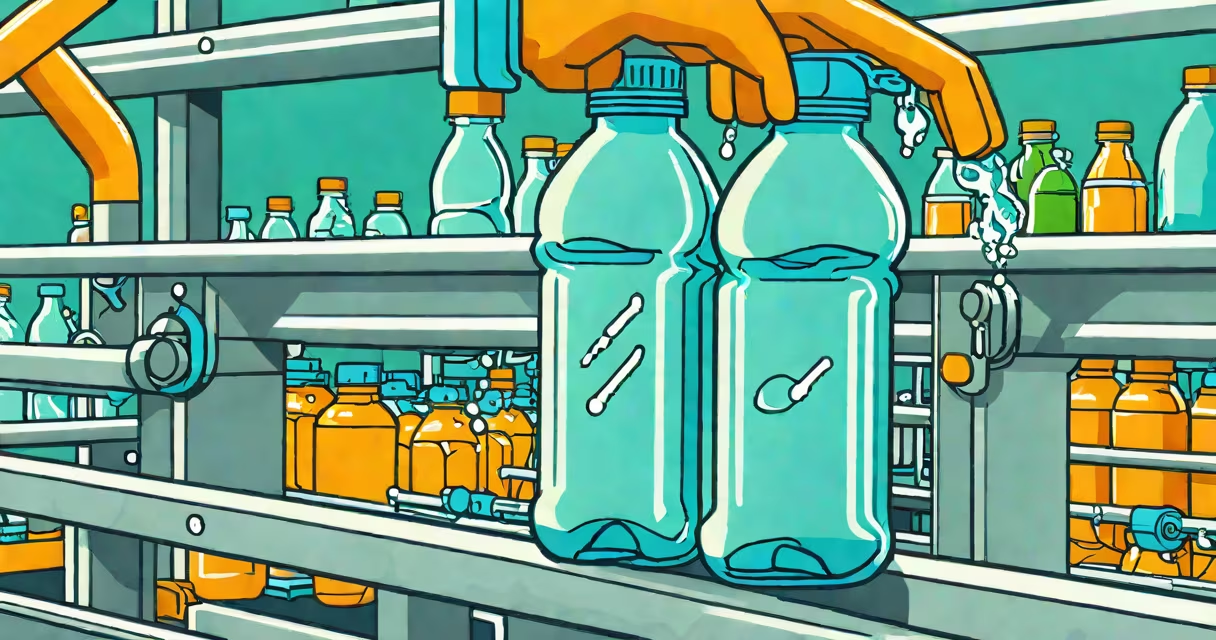
A sustainable product is designed, manufactured, and disposed of in ways that minimize environmental harm, conserve resources, and support social well-being across its entire lifecycle. Unlike conventional products that prioritize short-term profit, sustainable products balance ecological limits with human needs.
Sustainability begins at the material selection stage. A product made from rapidly renewable fibers like bamboo or recycled ocean-bound plastic avoids depleting finite resources. For example, a toothbrush crafted from biodegradable bamboo and plant-based bristles lasts years in use and decomposes safely in compost within six months. This contrasts sharply with standard plastic toothbrushes, which persist in landfills for centuries.
The production phase determines energy use, emissions, and worker safety. According to the U.S. Environmental Protection Agency (EPA), manufacturing accounts for 24% of global greenhouse gas emissions. Sustainable processes reduce this burden through renewable energy, closed-loop water systems, and fair labor standards. A textile brand using solar-powered dyeing facilities cuts carbon output by 60% compared to coal-dependent operations.
Every sustainable product passes through five stages: raw material extraction, manufacturing, distribution, use, and end-of-life. At each step, decisions affect environmental and social outcomes.
Raw material sourcing sets the foundation. Harvesting wood from certified forests ensures regrowth and protects biodiversity. The Forest Stewardship Council (FSC) certifies 220 million hectares of forest globally, verifying responsible forestry practices. Products labeled FSC-certified guarantee their wood comes from managed ecosystems, not deforestation zones.
Manufacturing efficiency matters. A company producing organic cotton t-shirts uses 91% less water than conventional methods, according to the Textile Exchange. These garments are dyed with low-impact pigments that don't leach toxins into waterways-a critical factor in regions like Bangladesh, where textile waste contaminates rivers.
Distribution routes influence carbon footprints. Shipping goods via rail instead of truck reduces emissions by 75%, per the American Association of Railroads. A sustainable furniture maker in Portland ships modular sofas by train to California stores, cutting fuel use and delivery time.
Sustainable products fall into categories based on their core materials and design intent. The table below outlines common types and their distinguishing traits.
| Type | Key Materials | End-of-Life Path | Example |
|---|---|---|---|
| Biobased | Bamboo, hemp, mycelium | Compostable or recyclable | Phone case made from mushroom root material |
| Recycled Content | Post-consumer plastic, reclaimed metal | Reprocessed into new items | Water bottle from 10 recycled PET bottles |
| Repairable & Modular | Standardized parts, durable components | Extended use through upgrades | Smartphone with replaceable battery and screen |
| Circular Design | Modular, disassemblable components | Full recovery and reuse | Chair made from 100% recyclable aluminum and recycled fabric |
One non-obvious distinction: not all bioplastics are sustainable. Polylactic acid (PLA), derived from corn starch, requires industrial composting to break down. If discarded in a landfill, it emits methane-potent greenhouse gas. Only 1% of U.S. municipalities offer industrial composting, making PLA packaging ineffective unless infrastructure exists.
Another key insight: durability doesn't equal sustainability. A stainless steel water bottle lasts decades but consumes high energy during production. Its carbon footprint exceeds that of a single-use plastic bottle if reused fewer than 50 times. The threshold for net-positive impact lies around 100 uses, according to a 2022 Life Cycle Assessment by the University of Michigan.
Many assume "eco-friendly" means "sustainable." That's incorrect. A product labeled "natural" may still involve deforestation, pesticide runoff, or child labor. The term "greenwashing" describes misleading claims that exploit consumer goodwill. A 2023 report by the Federal Trade Commission found 40% of environmental claims in U.S. advertising lacked credible evidence.
Also, sustainability isn't solely about materials. A product can use recycled content yet rely on exploitative labor. Fair trade certification, issued by organizations like Fair Trade USA, verifies equitable wages and safe working conditions. A coffee brand using 100% recycled packaging but paying farmers below living wage fails the full sustainability test.
One real-world example: Patagonia's Worn Wear program. Customers send in worn-out gear for repair or resale. In 2023, the company repaired 120,000 items and diverted 37 tons of textiles from landfills. This model proves that extending product life beats constant replacement-even when materials are already sustainable.
When consumers choose sustainable products, they drive systemic change. A 2021 study by McKinsey & Company showed that companies adopting circular design principles saw 20% higher margins due to reduced material costs and improved brand loyalty.
I've tested a reusable produce bag made from recycled polyester. After 18 months of weekly grocery trips, it held up better than disposable plastic bags. The fabric shed no microplastics in washing-unlike synthetic fabrics that release 700,000 fibers per wash, per research from the University of California, Santa Barbara.
For context, the average American generates 4.9 pounds of trash daily. Switching to sustainable alternatives-like reusable containers, refillable cleaning solutions, and repairable electronics-can cut household waste by 60%. That's 1,750 pounds saved annually per family of four.
Understanding what is a sustainable product isn't about perfection. It's about informed choice. Every purchase sends a signal to manufacturers. Demand for transparency, durability, and ethical sourcing reshapes supply chains. The shift toward sustainable products is not optional-it's necessary for planetary stability.