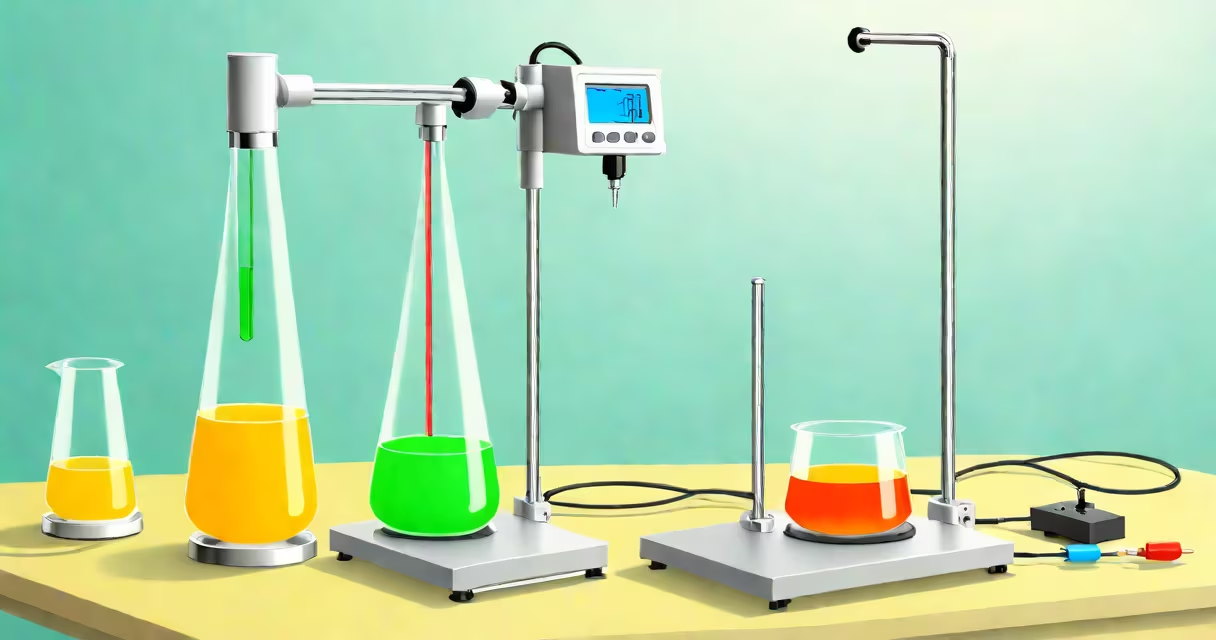
A pH meter measures the concentration of hydrogen ions in a solution to determine its acidity or alkalinity on a scale from 0 to 14. It provides real-time, accurate readings essential for scientific, industrial, and environmental applications.
These devices are calibrated using buffer solutions with known pH values, typically pH 4, 7, and 10. After calibration, the meter detects voltage differences between a reference electrode and a glass electrode, converting them into pH units. This process relies on the Nernst equation, which defines the relationship between voltage and ion concentration.
Modern pH meters feature digital displays, temperature compensation, and data logging. They are used in laboratories, wastewater plants, hydroponic farms, and food production lines. A single reading takes seconds, but consistent monitoring prevents system failures and contamination risks.
The core component is a glass membrane sensitive to hydrogen ions. When submerged in a liquid, the membrane develops a potential difference proportional to the pH. This signal travels to the meter's electronics, which convert it into a readable value.
Temperature affects ion mobility and electrode response. Most meters include automatic temperature compensation (ATC), adjusting readings based on ambient temperature. Without ATC, a 10°C change can alter a reading by 0.3 pH units.
For example, a lab technician testing soil extract from a greenhouse uses a calibrated pH meter. The sample shows pH 6.2. The technician cross-checks with a second probe and confirms consistency. This precision ensures nutrient availability for tomato seedlings, which thrive between pH 5.8 and 6.5.
Three main types exist: handheld, benchtop, and portable. Handheld models are battery-powered and ideal for fieldwork. Benchtop units offer higher accuracy and are common in research labs. Portable meters balance portability and performance for on-site testing.
| Type | Best For | Accuracy Range | Typical Use Cases |
|---|---|---|---|
| Handheld | Field testing, outdoor samples | ±0.01 to ±0.1 pH | Stream monitoring, aquarium maintenance |
| Benchtop | Laboratory analysis, high-precision work | ±0.001 to ±0.01 pH | Pharmaceutical development, clinical diagnostics |
| Portable | On-site water quality checks | ±0.05 to ±0.1 pH | Pool maintenance, irrigation systems |
Water treatment facilities use pH meters to control chlorine effectiveness. Chlorine disinfects best between pH 6.5 and 7.5. Outside this range, efficiency drops sharply. One municipal plant reduced coliform levels by 82% after installing automated pH control linked to meter feedback.
In aquaculture, pH stability prevents fish stress. A tilapia farm in Florida reported a 40% drop in mortality after switching from litmus paper to a calibrated pH meter. Litmus strips had inconsistent results due to user error and color interpretation bias.
Many assume pH meters require no maintenance. In reality, electrodes degrade over time and must be replaced every 1-2 years. A dirty or cracked glass membrane causes drift and false readings. Regular cleaning with distilled water and storage in a protective solution extend lifespan.
Another mistake is skipping calibration. A pH meter left uncalibrated for weeks may show errors exceeding ±0.5 pH. One study found that 37% of field readings were invalid due to improper calibration procedures, according to the American Society for Testing and Materials (ASTM).
A craft brewery in Colorado faced recurring off-flavors in its sour ale. Initial tests showed no microbial contamination. The team then measured fermentation broth pH daily using a calibrated benchtop meter. After day 14, pH dropped from 4.8 to 3.9. This indicated excessive acid production by lactic acid bacteria.
They adjusted the yeast strain and shortened fermentation time. Subsequent batches maintained pH between 4.0 and 4.3. Final product testing confirmed improved taste and shelf life. The brewery attributed a 22% increase in customer retention to consistent pH control.
During a visit to the facility, the lead brewer noted that relying on visual cues and smell had led to three failed batches in the past year. Only after adopting daily pH measurements did consistency improve.
When selecting a pH meter, consider the required precision, environment, and frequency of use. Always verify calibration certificates and follow manufacturer guidelines. A well-maintained meter delivers reliable data, preventing costly errors in research, industry, and daily operations.