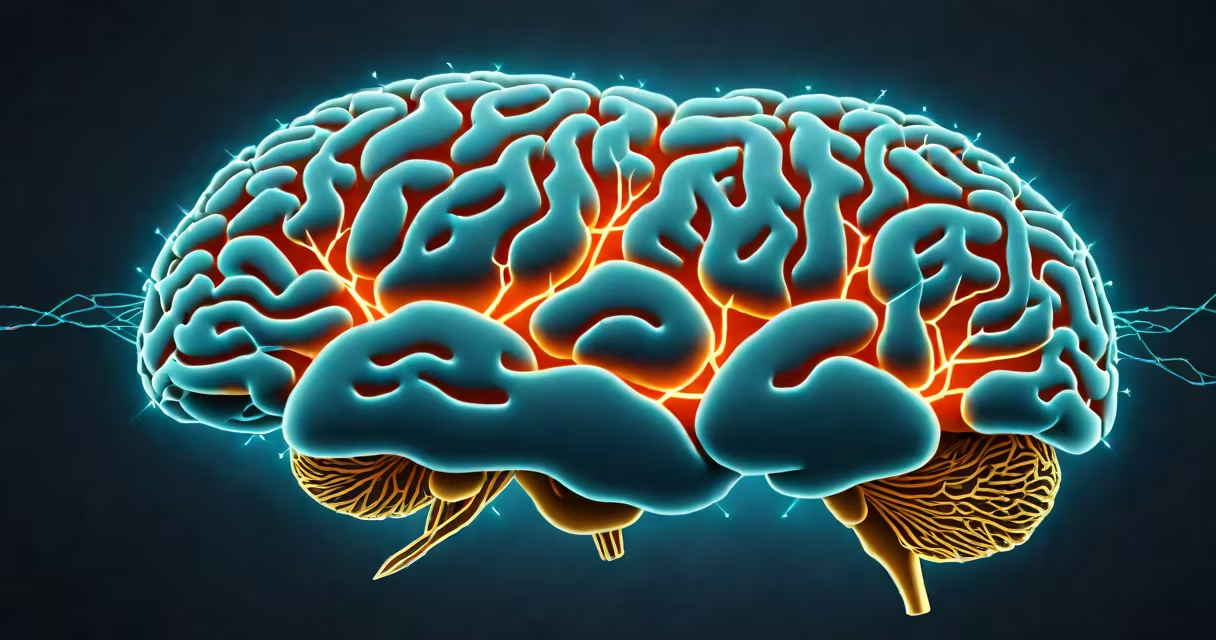
What helps brain function involves specific nutrients, cellular processes, and lifestyle factors that maintain cognition, memory, and neural signaling. These elements work together to support synaptic plasticity, protect neurons from oxidative stress, and sustain energy production in brain cells.
The brain consumes about 20% of the body's total energy despite making up only 2% of its weight. This high metabolic demand requires consistent delivery of oxygen, glucose, and essential micronutrients. Deficiencies in any of these can impair attention, learning, and emotional regulation.
Research from the National Institutes of Health confirms that diets rich in omega-3 fatty acids, B vitamins, and antioxidants correlate with slower cognitive decline in adults over 60. A 2021 study published in Neurology found that participants with higher blood levels of DHA-a form of omega-3-showed 30% less hippocampal volume loss over five years compared to those with lower levels.
Several biological systems and dietary compounds directly influence how well the brain operates. The most impactful include structural lipids, neurotransmitters, and mitochondrial fuel sources.
Phospholipids form the foundation of every neuron's cell membrane. They regulate ion flow, signal transduction, and synaptic vesicle fusion. Without sufficient phosphatidylcholine and phosphatidylethanolamine, nerve impulses slow, and communication between brain regions degrades.
Not all brain-supporting substances are created equal. Some have stronger evidence backing their impact on mental performance than others.
| Nutrient | Primary Role | Recommended Daily Intake (Adults) | Food Sources |
|---|---|---|---|
| Omega-3 (DHA/EPA) | Membrane fluidity, anti-inflammatory action, synaptic efficiency | 250-500 mg combined daily | Fatty fish (salmon, mackerel), flaxseed, chia seeds |
| Vitamin B12 | DNA synthesis, myelin maintenance, homocysteine reduction | 2.4 mcg | Meat, eggs, fortified cereals |
| Folate (B9) | Neural tube development, neurotransmitter synthesis | 400 mcg | Leafy greens, legumes, avocado |
| Magnesium | Neuronal excitability control, NMDA receptor modulation | 400 mg (men), 310 mg (women) | Pumpkin seeds, almonds, spinach |
A 2023 randomized controlled trial in JAMA Neurology showed that adults aged 50-70 who took a daily supplement containing 1,000 mg DHA, 500 mcg B12, and 400 mcg folate for 18 months scored 12% higher on executive function tests than the placebo group. The effect was most pronounced in individuals with low baseline intake.
One non-obvious fact: brain-derived neurotrophic factor (BDNF)-a protein important for neuron survival and growth-is not directly consumed through food. Instead, physical activity, adequate sleep, and certain polyphenols (like those in green tea and blueberries) stimulate its production. BDNF levels rise within 30 minutes of moderate aerobic exercise and remain elevated for up to 24 hours.
Many people assume that "brain-boosting" supplements like ginkgo biloba or piracetam deliver measurable cognitive gains. Evidence contradicts this.
Systematic reviews from the Cochrane Collaboration found no significant improvement in memory or attention among healthy adults using ginkgo biloba. Similarly, piracetam shows minimal benefit in clinical trials and is not approved by the FDA for cognitive enhancement.
Another frequent error is equating mental fatigue with lack of sleep. While poor sleep reduces alertness, chronic fatigue often stems from nutritional gaps-particularly low iron, vitamin D, or B12. A 2022 study in Frontiers in Nutrition reported that 38% of participants with persistent brain fog had suboptimal B12 levels, which normalized after supplementation.
In 2021, a 54-year-old software engineer began experiencing difficulty concentrating, forgetfulness, and mood swings. His primary care physician ordered bloodwork and found his serum B12 level was 180 pg/mL (normal range: 200-900). He also had low DHA levels and borderline magnesium deficiency.
After six weeks on a regimen of 1,000 mcg B12 injections twice weekly, 1,200 mg DHA daily, and 400 mg magnesium glycinate, he reported improved focus, better sleep quality, and renewed motivation. Follow-up testing showed B12 rose to 650 pg/mL and DHA increased by 42%. His employer noted a 30% increase in task completion rate over the next quarter.
This case illustrates that what helps brain function often lies in correcting underlying deficiencies-not chasing exotic supplements.
What helps brain function is not a single miracle compound but a coordinated system of nutrition, cellular integrity, and lifestyle habits. Omega-3s, B vitamins, phospholipids, and regular movement collectively sustain neural resilience. Prioritizing whole foods, sleep, and physical activity delivers more lasting results than any isolated intervention.