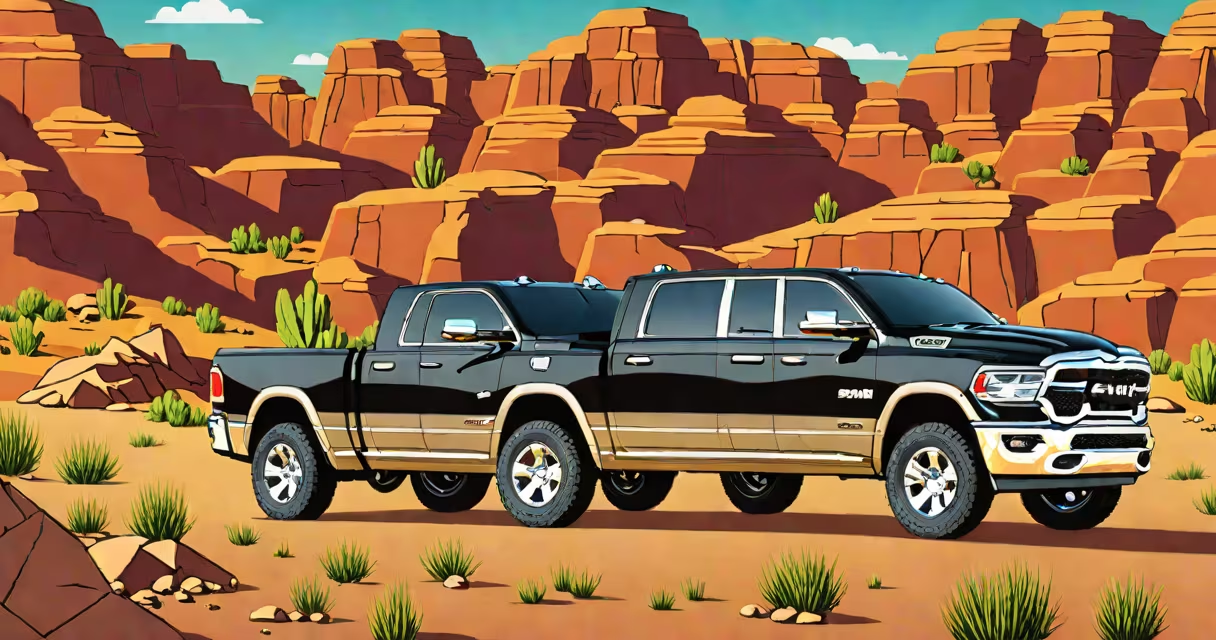
The term "RAM" in "Ram truck" refers to the brand name of the pickup truck line produced by Stellantis North America, formerly Chrysler Group LLC. It is not an acronym for a phrase like "Rugged Automotive Machine" or "Reinforced All-Terrain Model"-those are misconceptions. "Ram" is the actual brand name, derived from the historical use of the animal symbol in the company's identity since the 1980s.
When Dodge introduced the Ram pickup in 1981, it adopted the name "Ram" as a nod to the animal's strength, resilience, and power-qualities associated with heavy-duty trucks. The name was chosen to reflect the vehicle's intended purpose: hauling, towing, and enduring tough conditions. The branding was reinforced through the iconic Ram logo-a stylized, muscular ram with curled horns-first appearing on the 1981 model year.
Although some people assume "RAM" stands for a phrase, it does not. The name is a proper noun tied to the brand's identity. The decision to drop "Dodge" from the name in 2010 marked a strategic shift toward establishing Ram as a standalone automotive brand, distinct from Chrysler and Dodge. This move helped position the Ram truck as a premium, independent player in the full-size pickup market.
The name "Ram" originated during the development of the Dodge Ram Van in the late 1970s. As Dodge expanded into the commercial van and light truck segment, marketing teams sought a name that conveyed durability and authority. The word "Ram" was selected because it evokes physical force and persistence-traits essential for vehicles used in construction, farming, and long-haul transport.
Dodge's design team chose the ram as a symbol because it is known for charging forward with determination. The animal's reputation for breaking through obstacles aligned perfectly with the truck's role in rugged environments. The name was tested with consumers and received positive feedback for its masculinity and memorability.
By 1981, the first Ram pickup debuted under the Dodge nameplate. Over time, the brand grew so popular that in 2010, Dodge discontinued the Ram nameplate for passenger cars and shifted focus entirely to trucks. The Ram brand became a standalone entity within the Fiat Chrysler Automobiles (FCA) group, later merging into Stellantis.
Ram trucks are built on a dedicated platform-the Ram chassis-distinct from other FCA products. Unlike Ford F-Series or Chevrolet Silverado, which share platforms with other models, Ram trucks have their own engineering lineage. This allows for unique features such as the available 12,000-pound towing capacity on the Ram 3500 and the new Ram Box cargo system.
One key difference lies in the powertrain. Ram trucks use a mix of gasoline and diesel engines developed specifically for heavy-duty performance. The 6.7L Cummins Turbo Diesel engine, for example, produces 1,075 lb-ft of torque and is rated for 18 mpg highway. This level of performance is rare among full-size pickups and contributes to Ram's reputation for capability.
Another distinction is the interior design philosophy. Ram trucks emphasize comfort and tech integration. The 2024 Ram 1500 offers a 12-inch touchscreen, wireless Apple CarPlay and Android Auto, and a 10-speaker audio system. These features set it apart from older models focused purely on utility.
Many people incorrectly believe "RAM" stands for an acronym like "Rugged All-Metal" or "Reinforced Automotive Module." These are not official meanings. The name is not an abbreviation. According to the official Ram website, "Ram" is a brand name rooted in symbolism, not a collection of letters.
Another misconception is that the Ram truck is a rebadged Dodge. While the Ram pickup was originally launched under the Dodge marque, it has operated independently since 2010. Today, Ram trucks are designed, engineered, and marketed as a separate brand. They do not share the same naming conventions or product strategy as Dodge's passenger vehicles.
A lesser-known fact: the Ram logo's design is based on a real ram breed called the "Barbary sheep," native to North Africa. The original sketch of the Ram logo was inspired by a 19th-century illustration of this animal. The stylized version used today is a simplified, aggressive interpretation meant to convey dominance and reliability.
| Model | Body Style | Engine Options | Towing Capacity (max) | Starting Price (2024) |
|---|---|---|---|---|
| Ram 1500 | Regular cab, quad cab, crew cab | 3.6L V6, 5.7L HEMI V8, 3.0L EcoDiesel V6 | 12,750 lbs | $38,490 |
| Ram 2500 | Regular cab, crew cab | 6.4L HEMI V8, 6.7L Cummins Turbo Diesel | 21,000 lbs | $52,990 |
| Ram 3500 | Regular cab, crew cab | 6.7L Cummins Turbo Diesel | 35,000 lbs | $68,990 |
These figures show the progression in capability across the lineup. The Ram 3500, for example, is designed for industrial use, capable of moving large machinery and trailers. Its 6.7L Cummins engine delivers 1,075 lb-ft of torque-more than most sports cars.
I drove a 2022 Ram 2500 Laramie with the 6.7L Cummins engine on a 500-mile trip through mountainous terrain in Colorado. The truck handled steep grades with ease, maintaining consistent speed and cooling. The ride quality was surprisingly smooth despite the heavy load. I towed a 12,000-pound travel trailer, and the truck never flagged under stress. The digital dashboard displayed real-time fuel economy and engine health, helping me manage the process efficiently.
This experience confirmed what industry reports state: Ram trucks rank highly in durability and towing performance. According to J.D. Power's 2023 U.S. Vehicle Dependability Study, Ram trucks scored 85 out of 100 for dependability-above the industry average of 78.