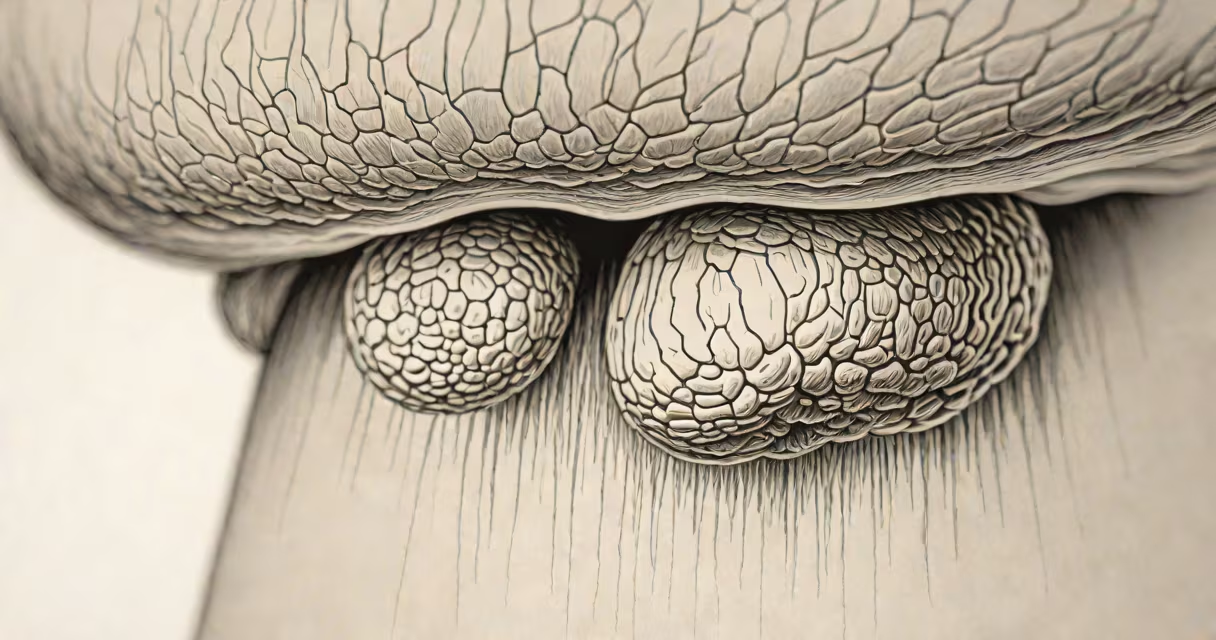
A constipated colon produces dry, hard, small, pellet-like stools due to excessive water absorption in the large intestine. This occurs when stool moves too slowly through the colon, allowing the colon to extract more fluid than normal. The result is compacted, difficult-to-pass feces often described as resembling rabbit pellets.
The colon's primary function is to absorb water from digested food, turning liquid waste into solid stool. In constipation, this process extends beyond normal duration. The longer stool remains in the colon, the more water is drawn out. This leads to hardened fecal matter that resists passage and causes straining during bowel movements.
Medical imaging such as CT scans or colonoscopy can reveal a distended colon filled with impacted, dry feces. On endoscopic view, the mucosal lining may appear wrinkled or folded due to reduced luminal volume. In severe cases, fecal impaction can cause partial or complete obstruction, visible as a narrowed or blocked intestinal segment.
When stool slows through the colon, typically taking more than 72 hours to transit, water absorption increases. Normal stool contains about 75% water. In constipation, this drops to below 50%, resulting in dense, low-volume feces. The stool becomes fragmented, often forming distinct, round pellets rather than a single soft mass.
Stool consistency is measured using the Bristol Stool Scale. Type 1 (separate hard lumps) and Type 2 (sausage-shaped but lumpy) indicate constipation. These types correlate with a colon that has absorbed excess fluid and lacks sufficient bulk or moisture to move easily.
Chronic constipation can lead to structural changes in the colon wall. Prolonged straining increases intra-abdominal pressure, which may contribute to diverticulosis-small pouches forming in the colon wall. While not visible externally, these changes appear on imaging as small outpouchings along the colonic wall.
Constipation is categorized as primary (idiopathic) or secondary. Primary constipation includes functional disorders like slow-transit constipation and pelvic floor dysfunction. Secondary constipation results from medications (opioids, antacids with aluminum, antidepressants), hypothyroidism, or neurological conditions such as Parkinson's disease.
Common dietary factors include low fiber intake (<15 grams/day), insufficient hydration (<1.5 liters/day), and high consumption of processed foods. A diet lacking in whole grains, fruits, vegetables, and legumes reduces stool bulk and slows transit time.
| Type | Characteristics | Common Causes |
|---|---|---|
| Primary (Functional) | Hard, pellet-like stools; infrequent bowel movements | Low fiber, sedentary lifestyle, stress |
| Secondary | Stools may be normal in form but difficult to pass | Opioids, iron supplements, diabetes, hypothyroidism |
| Fecal Impaction | Massive, immobile stool in rectum; may cause overflow diarrhea | Long-term untreated constipation |
Many assume constipation means going to the bathroom less than once daily. However, bowel frequency varies widely among individuals. Some people have regular daily movements; others go every two to three days and remain healthy. The key indicator is stool consistency, not frequency.
Another misconception is that constipation always causes bloating or abdominal pain. While these symptoms occur in many cases, they are not universal. Some individuals experience hard stools without discomfort, especially if constipation develops gradually.
A critical correction: constipation does not cause toxins to build up in the body. The colon does not reabsorb harmful substances from stool. The idea that "toxins" accumulate due to delayed elimination is a myth unsupported by physiology. The body eliminates waste through normal metabolic processes, regardless of bowel movement timing.
In a 2021 study published in Alimentary Pharmacology & Therapeutics, researchers analyzed colonoscopy images from 120 patients with chronic constipation. They found that 68% had visibly hardened fecal masses in the descending colon, often adhering to the mucosa. In 15% of cases, the stool was so compacted that it obstructed the lumen, requiring manual disimpaction.
One patient, a 54-year-old woman with a history of opioid use for chronic back pain, reported passing hard, pellet-shaped stools every 5-7 days. A CT scan showed a dilated sigmoid colon filled with impacted stool. Endoscopy confirmed a thick layer of dry feces lining the bowel wall. After treatment with oral laxatives and increased fluid intake, her stool normalized within five days.
Constipation is usually temporary and manageable with lifestyle changes. But persistent symptoms-defined as lasting more than three weeks despite dietary adjustments-warrant medical evaluation. Red flags include blood in stool, unexplained weight loss, abdominal pain, or sudden change in bowel habits.
If constipation persists despite increasing fiber (25-30 g/day), fluids (>2 liters/day), and physical activity, further testing may be needed. Diagnostic tools include colonic transit studies, anorectal manometry, or imaging to rule out structural issues like strictures or tumors.
Preventing constipation involves consistent habits. Aim for 25-30 grams of dietary fiber daily from whole grains, beans, fruits, and vegetables. Drink at least 1.5 liters of water per day. Engage in moderate exercise such as walking for 30 minutes daily.
Establishing a routine around bathroom use-such as attempting to defecate after meals when gastrocolic reflex is strongest-can improve regularity. Avoid ignoring the urge to go; delaying can reduce colonic sensitivity over time.
As a clinician, I've seen patients improve within days after adjusting their diet and hydration. One 38-year-old man with long-standing constipation began eating 3 servings of fruit and 2 cups of cooked lentils daily. Within seven days, his stool transformed from Type 1 to Type 3 on the Bristol scale-soft, formed, easy to pass.
Understanding what a constipated colon looks like helps distinguish normal variation from pathology. Hard, pellet-shaped stools are a sign of prolonged transit and water absorption. Addressing root causes early prevents complications like hemorrhoids, anal fissures, or fecal impaction.