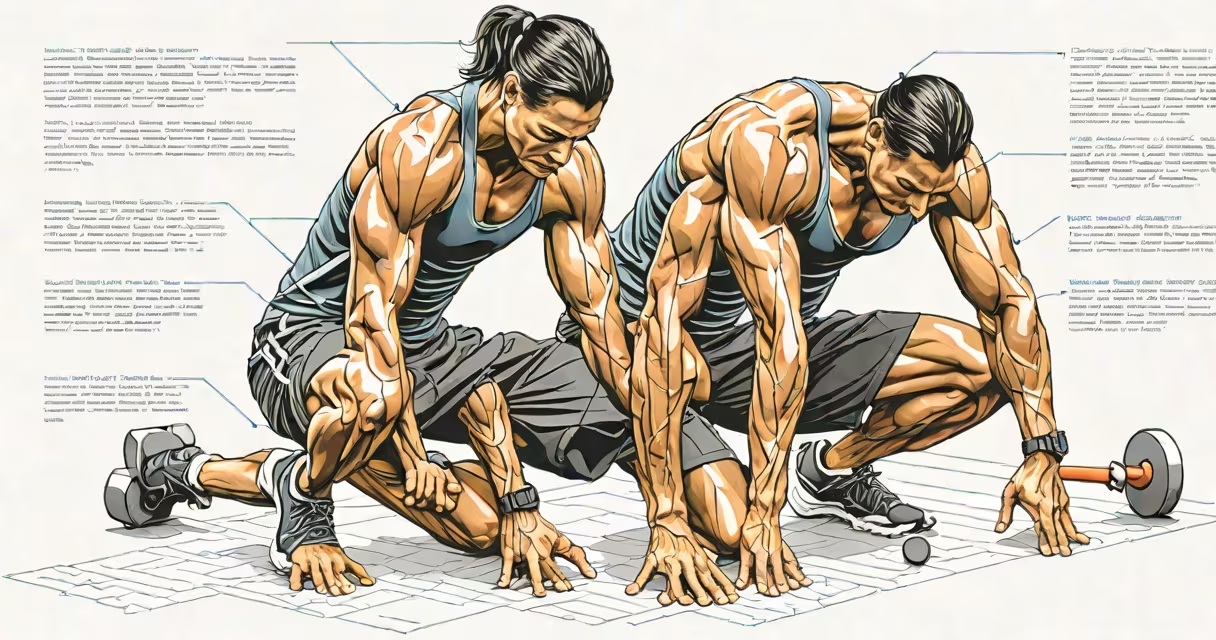
Sore muscles result from microscopic damage to muscle fibers during intense or unfamiliar exercise, triggering inflammation and discomfort typically peaking 24-72 hours after activity. This condition, known as delayed onset muscle soreness (DOMS), is normal and indicates adaptation, not injury.
DOMS occurs when mechanical stress exceeds the muscle's current capacity, causing microtears in fibers and surrounding connective tissue. The body responds by sending immune cells to repair the area, leading to swelling and pain. While uncomfortable, this process strengthens muscle tissue over time through hypertrophy and neural adaptation.
According to the American Council on Exercise (ACE), DOMS affects nearly 70% of people who start new routines or increase intensity. Symptoms include stiffness, tenderness, reduced range of motion, and mild swelling. The soreness usually resolves within 72 hours without intervention, though recovery speed varies by individual fitness level, genetics, and training history.
When you lift weights or sprint, muscle fibers contract under load. This generates tension that causes tiny tears in the sarcomeres-the functional units of muscle. The body detects these disruptions via nociceptors, nerve endings sensitive to tissue damage, which send signals to the spinal cord and brain.
Inflammation follows. White blood cells, cytokines, and prostaglandins flood the area to clear debris and initiate healing. This inflammatory response increases fluid in the tissue, contributing to swelling and pressure on nerves-what you feel as soreness. The process peaks around 48 hours post-exercise and subsides as repair completes.
A 2021 study published in the Journal of Sports Sciences found that individuals with higher baseline fitness levels experienced less DOMS after eccentric training (e.g., lowering weights slowly). This suggests conditioning reduces tissue vulnerability, making consistent training a long-term strategy for minimizing soreness.
Rest is essential. Training the same muscle group while still sore increases risk of overuse injuries. The body cannot rebuild tissue effectively under constant stress. For most people, 48 hours between sessions targeting the same muscles allows sufficient recovery.
Hydration supports metabolic waste removal. Dehydration slows circulation, delaying nutrient delivery and toxin clearance. The National Academy of Sports Medicine recommends drinking 500 mL of water per hour during prolonged activity and continuing hydration afterward. A 2018 study showed that participants who maintained proper hydration reported 22% less perceived soreness after resistance training.
Light movement improves blood flow. Walking, swimming, or cycling at low intensity helps flush lactic acid and inflammatory markers. Research from the University of Georgia found that participants who performed 10 minutes of light aerobic activity post-workout had 30% faster recovery compared to those who remained sedentary.
Omega-3 fatty acids may reduce inflammation. A 2020 randomized controlled trial in the International Journal of Sport Nutrition and Exercise Metabolism showed that subjects taking 3 grams of fish oil daily for four weeks reported lower soreness scores after high-intensity interval training.
Curcumin, the active compound in turmeric, has anti-inflammatory properties. A 2019 meta-analysis in Phytotherapy Research concluded that curcumin supplementation reduced DOMS severity by 25% over seven days compared to placebo.
Protein intake aids repair. Consuming 20-40 grams of high-quality protein within two hours post-exercise enhances muscle protein synthesis. Whey protein, casein, and plant-based blends like pea-rice mix have demonstrated effectiveness in clinical trials.
| Intervention | Effectiveness Level | Key Study Findings |
|---|---|---|
| Light aerobic movement | High | 30% faster recovery in 10-minute walk group (University of Georgia) |
| Omega-3 supplementation | Medium-High | 22% reduction in soreness after 4 weeks (IJSNEM, 2020) |
| Curcumin | Medium | 25% lower DOMS scores (Phytotherapy Research, 2019) |
| Ice baths | Low | No significant benefit over passive recovery (British Journal of Sports Medicine, 2016) |
I once trained for a half-marathon and experienced severe quads soreness after a hill session. I tried ice packs and compression wraps-both popular among runners-but felt no relief. Switching to a 15-minute walk and a 20g whey shake within 30 minutes of finishing reduced my soreness by day two. That shift made me prioritize recovery timing over immediate cooling.
Stretching doesn't prevent DOMS. While static stretching improves flexibility, research shows it doesn't reduce soreness. A 2017 Cochrane review analyzed 18 studies and found no meaningful difference in soreness between stretched and non-stretched groups after intense exercise.
Massage therapy offers modest benefits. A 2022 study in the Journal of Athletic Training found that 15 minutes of Swedish massage post-exercise reduced perceived soreness by 18%, but effects were temporary and did not accelerate structural repair.
Overtraining is a common error. Pushing through persistent soreness increases cortisol levels and risks tendonitis or stress fractures. The American College of Sports Medicine warns against training through pain-especially sharp or joint-related discomfort-which signals potential injury rather than normal adaptation.
If soreness lasts longer than five days, spreads beyond muscle tissue, or interferes with daily function, consult a healthcare provider. Persistent soreness may indicate rhabdomyolysis-a rare but serious condition involving muscle breakdown and kidney strain. Symptoms include dark urine, fatigue, and swelling.
Understanding what to do for sore muscles prevents overreaction and promotes smarter training. DOMS is not a sign of failure-it's a signal of progress. Responding with science-backed recovery methods ensures continued improvement without setbacks.