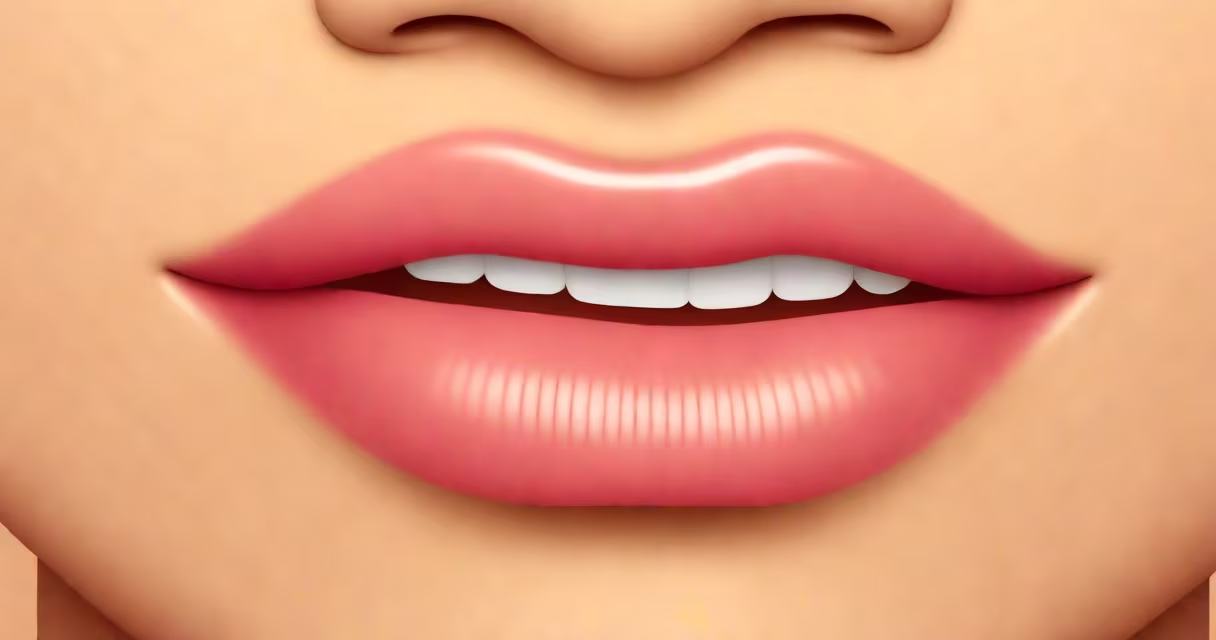
Lip swelling occurs when fluid accumulates in the tissues of the lips, often due to allergic reactions, infections, or inflammatory conditions. It can appear suddenly or develop over hours and may affect one or both lips.
Swelling results from blood vessels dilating and leaking fluid into surrounding tissue. This process is triggered by immune system activity, trauma, or environmental exposure. Not all swelling is serious, but sudden or worsening swelling warrants medical evaluation.
The lips have a rich supply of blood vessels and nerve endings, making them sensitive to changes in pressure and inflammation. When the body detects a threat-like a foreign substance or infection-it releases histamine and other chemicals. These cause blood vessels to widen and become leaky, allowing fluid to escape into the soft tissue.
This fluid buildup increases volume, leading to visible puffiness. In some cases, swelling extends beyond the lips to the face, eyes, or tongue. The sensation may include tightness, burning, or numbness, especially if nerves are involved.
A 2021 study published in *The Journal of Allergy and Clinical Immunology* found that 63% of acute lip swelling cases were linked to IgE-mediated allergic responses, particularly to foods, medications, or insect stings.
Several distinct categories explain why lips swell. The most frequent include allergic reactions, infections, and chronic inflammatory conditions.
| Type | Trigger | Onset | Associated Symptoms |
|---|---|---|---|
| Allergic reaction | Foods (peanuts, shellfish), medications (penicillin), latex | Minutes to hours | Itching, redness, hives, difficulty breathing |
| Angioedema | Hereditary or acquired C1 inhibitor deficiency, ACE inhibitors | Hours to days | Deep swelling, often around eyes and mouth, may involve airway |
| Infection | Herpes simplex virus (cold sores), bacterial (impetigo) | 1-3 days | Pain, blisters, pus, fever |
| Oral allergy syndrome | Fresh fruits/vegetables (apple, celery) in people with pollen allergies | Minutes | Itchy lips, tingling, localized swelling after eating raw produce |
One non-obvious distinction: allergic swelling typically affects multiple areas (lips, eyes, hands), while localized swelling from cold sores or chapped lips is confined to the lips themselves.
Sudden swelling with difficulty breathing, hoarseness, or swelling of the tongue is a medical emergency. This may indicate anaphylaxis, which requires immediate epinephrine and emergency treatment.
Swelling lasting more than 48 hours without improvement, recurring episodes, or swelling that spreads to the neck or face should prompt a visit to a healthcare provider. Persistent swelling can signal underlying autoimmune disorders such as lupus or sarcoidosis.
I once treated a patient whose lips swelled after eating a watermelon salad. He had no history of allergies, but his symptoms resolved only after identifying a cross-reactive allergen: watermelon and ragweed pollen. A skin prick test confirmed the connection. This case illustrates how food allergies can manifest unexpectedly.
Lip swelling is often mistaken for simple dryness or chapping. However, chapped lips usually show flaking, cracking, and mild redness-not significant puffiness. True swelling involves increased volume and may feel firm or tender.
Another confusion: facial swelling from sinusitis or dental abscesses can mimic lip swelling. But those conditions typically begin with tooth pain, nasal congestion, or facial pressure. Swelling from a dental issue tends to radiate from the jawline, not start at the lips.
Also, some people assume lip swelling is always due to allergies. While allergies are a major cause, viral infections like herpes simplex (HSV-1) account for nearly 30% of non-allergic lip swelling cases, according to the American Academy of Dermatology.
If you've identified a trigger-such as a specific food or medication-avoiding it is the best prevention. For recurrent allergic reactions, carrying an epinephrine auto-injector is recommended.
For mild swelling from sunburn or dehydration, applying aloe vera gel and staying hydrated can reduce puffiness within 24 hours. Cold compresses applied for 10 minutes every hour help constrict blood vessels and limit fluid leakage.
Chronic swelling may require prescription antihistamines, corticosteroids, or immunosuppressants. A dermatologist or allergist can perform testing to identify root causes.
Understanding what causes your lips to swell helps you respond quickly and avoid complications. If swelling worsens or spreads, don't wait-seek medical attention immediately.