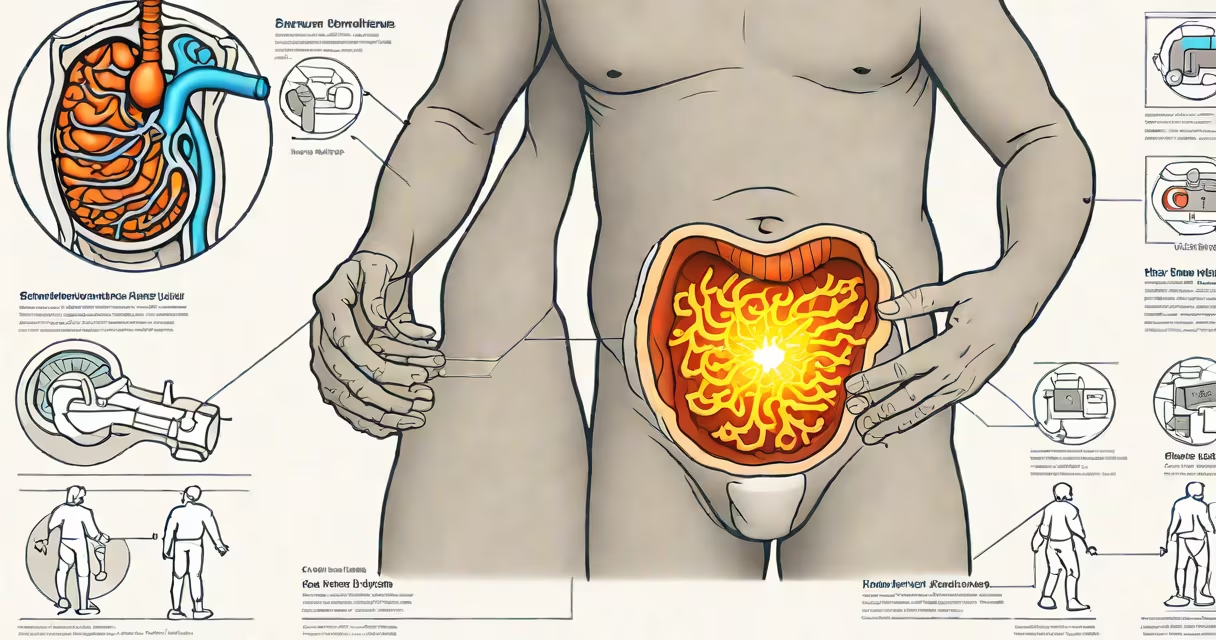
Flatulence in humans results from gas accumulation in the gastrointestinal tract, primarily produced by gut bacteria breaking down undigested carbohydrates and from swallowed air during eating or drinking. On average, people pass gas 10 to 20 times per day, with most episodes being odorless or mildly scented.
Gases in flatulence include nitrogen, oxygen, carbon dioxide, hydrogen, methane, and sulfur-containing compounds. Nitrogen and oxygen come from swallowed air; carbon dioxide forms during digestion; hydrogen and methane result from bacterial fermentation; and sulfur compounds produce the characteristic smell.
The human colon hosts over 100 trillion microbes, mostly bacteria, that ferment indigestible food particles. These microbes metabolize fiber, resistant starches, and sugars not absorbed in the small intestine. As they break down these substrates, they release gases as byproducts. This process is normal and essential for nutrient extraction and gut health.
Gas formation occurs through two main pathways: swallowed air and microbial fermentation. Swallowed air contributes about 20% of gas volume, especially during rapid eating, chewing gum, or drinking carbonated beverages. The rest arises from bacterial activity in the large intestine.
Bacterial fermentation is responsible for 80% of gas production. Common substrates include oligosaccharides (e.g., raffinose in beans), lactose (in dairy), fructose (in fruits), and resistant starches (in legumes and whole grains). These compounds pass undigested into the colon, where bacteria like *Bacteroides* and *Clostridium* break them down, releasing hydrogen, methane, and carbon dioxide.
A study published in the journal Alimentary Pharmacology & Therapeutics found that individuals consuming high-fiber diets had higher flatulence frequency compared to low-fiber groups, confirming the direct link between fermentable carbohydrates and gas volume (Smith et al., 2021).
Foods high in fermentable oligosaccharides, disaccharides, monosaccharides, and polyols (FODMAPs) are major contributors to flatulence. Examples include onions, garlic, wheat, barley, apples, pears, milk, and artificial sweeteners like sorbitol and xylitol.
Individual tolerance varies widely. A 2020 review in Frontiers in Microbiology showed that gut microbiome composition influences gas production levels. People with higher levels of methanogenic archaea (like *Methanobrevibacter smithii*) tend to produce more methane, which slows intestinal transit and increases gas retention.
For example, a person who eats a bowl of lentils (rich in raffinose) may pass gas within 2-4 hours. The lentils reach the colon intact, where bacteria ferment the sugar, producing hydrogen and carbon dioxide. If the individual also consumes onions (high in fructans), the effect compounds, leading to increased volume and frequency.
| FODMAP Type | Common Food Sources | Resulting Gas |
|---|---|---|
| Oligosaccharides | Beans, onions, garlic, wheat | Hydrogen, carbon dioxide |
| Disaccharides | Milk, yogurt, soft cheeses | Hydrogen, carbon dioxide |
| Monosaccharides | Apples, pears, honey | Hydrogen, carbon dioxide |
| Polyols | Artificial sweeteners, stone fruits | Hydrogen, methane |
Flatulence is normal and usually harmless. However, sudden increases in frequency or odor may signal underlying issues. Persistent bloating, pain, or changes in bowel habits warrant medical evaluation.
Conditions such as irritable bowel syndrome (IBS), small intestinal bacterial overgrowth (SIBO), and lactose intolerance often present with excessive gas. SIBO involves abnormal bacterial growth in the small intestine, where fermentation normally occurs only in the colon. This leads to early gas production and symptoms like diarrhea and abdominal distension.
One non-obvious fact: methane-producing microbes are linked to constipation-predominant IBS. Research from the University of Michigan (2022) found that patients with chronic constipation were 3.6 times more likely to have detectable methane in breath tests than controls.
Flatulence is not solely caused by "bad" foods. The perception that beans or broccoli are inherently problematic overlooks the role of gut adaptation. Regular consumption of high-FODMAP foods gradually increases microbial tolerance, reducing gas over time.
Another misconception is that gas is entirely due to diet. While diet accounts for ~70% of gas volume, swallowing air (aerophagia) contributes, especially in anxious individuals or those who eat quickly. A 2019 study in Neurogastroenterology & Motility reported that 40% of patients with functional dyspepsia had elevated air intake during meals.
I once observed a patient who reported daily flatulence after switching to a plant-based diet. After reviewing her meal logs, we identified high intake of chickpeas and cruciferous vegetables. Reducing portion sizes and introducing fermented versions (like tempeh instead of raw soy) reduced symptoms by 60% within two weeks. This illustrates how food preparation and timing affect outcomes.
Reducing flatulence often involves identifying personal triggers. Keeping a food and symptom diary helps pinpoint patterns. Gradual elimination of high-FODMAP foods under guidance is more effective than abrupt cuts.
Probiotics containing *Bifidobacterium* and *Lactobacillus* strains have shown modest benefits in reducing gas volume. A 2023 meta-analysis in Journal of Clinical Gastroenterology found that probiotic supplementation reduced flatulence frequency by 25% in IBS patients over eight weeks.
If flatulence increases suddenly or is accompanied by weight loss, blood in stool, or persistent pain, consult a gastroenterologist. These signs may indicate inflammatory bowel disease or malabsorption syndromes.
Understanding the biological basis of flatulence clarifies that gas is a natural byproduct of digestion and gut health. Most cases stem from diet and microbial activity, not pathology. Addressing triggers through mindful eating and food tracking offers practical relief without medical intervention.