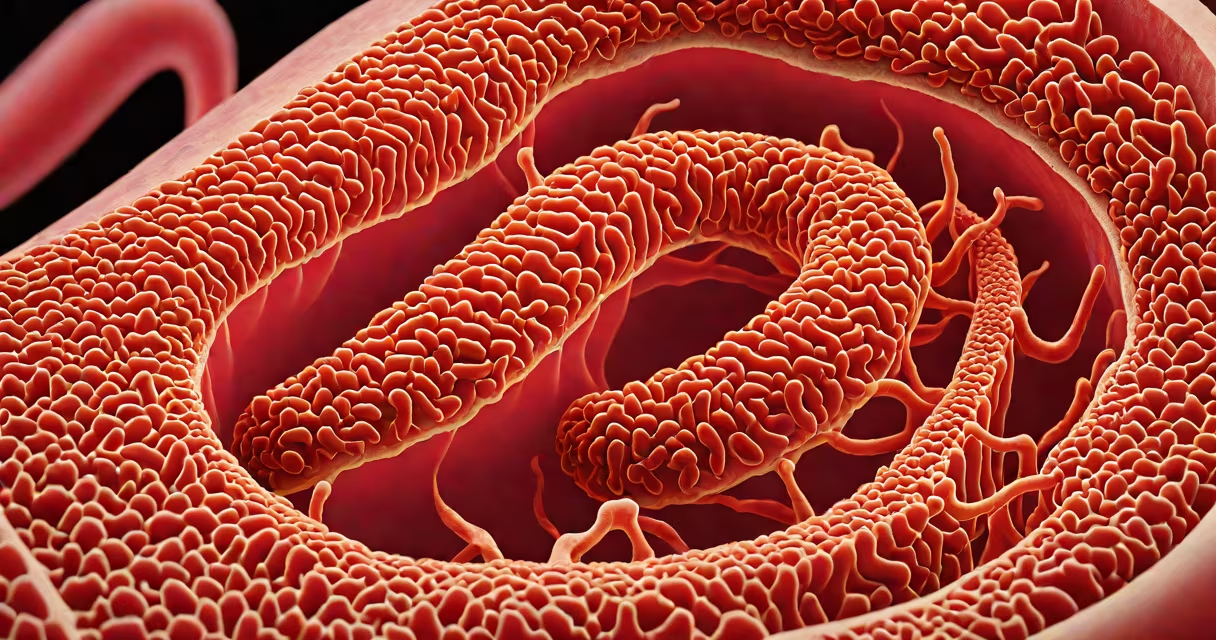
Stomach ulcers, also known as peptic ulcers, develop when the protective mucus layer in the stomach lining erodes, exposing tissue to digestive acids. This damage leads to open sores that can cause pain, bleeding, and complications if untreated.
Ulcers form due to an imbalance between aggressive factors-like acid and enzymes-and protective mechanisms in the stomach. The most common causes are infection with Helicobacter pylori bacteria and prolonged use of nonsteroidal anti-inflammatory drugs (NSAIDs). These two factors account for over 90% of documented cases, according to the National Institute of Diabetes and Digestive and Kidney Diseases (NIDDK).
Other contributors include smoking, excessive alcohol consumption, and stress-related conditions. However, stress alone does not cause ulcers-it can worsen existing ones. A 2021 study published in *Gastroenterology* confirmed that while psychological stress may impair healing, it does not initiate ulcer formation without underlying biological triggers.
The stomach lining contains a thick layer of mucus that shields it from hydrochloric acid and digestive enzymes like pepsin. When this barrier breaks down, acid attacks the tissue beneath, leading to erosion and ulceration. The process begins with localized inflammation, progresses to tissue breakdown, and may result in perforation or bleeding if unchecked.
H. pylori bacteria invade the mucosal layer, survive in the acidic environment by producing urease, and trigger chronic inflammation. This inflammation disrupts tight junctions between cells, increasing permeability and allowing acid to penetrate deeper into the tissue. Over time, this leads to ulcer formation. The bacterium is present in approximately 50% of the global population but only causes disease in about 10-20% of infected individuals.
NSAIDs such as ibuprofen and aspirin inhibit cyclooxygenase (COX) enzymes, which are essential for maintaining mucosal blood flow and mucus production. Without adequate protection, the stomach becomes vulnerable to acid damage. Long-term or high-dose NSAID use increases ulcer risk by up to 60%, per data from the American Gastroenterological Association (AGA).
Below is a breakdown of the most common causes of stomach ulcers, based on epidemiological data:
| Primary Cause | Prevalence in Ulcer Cases | Supporting Evidence |
|---|---|---|
| H. pylori infection | 60-70% | NIDDK, 2022 |
| Long-term NSAID use | 20-30% | AGA Clinical Guidelines, 2020 |
| Alcohol consumption | 5-10% | Journal of Clinical Gastroenterology, 2019 |
| Smoking | 15-20% (contributing factor) | NIH Clinical Trials Database, 2021 |
While alcohol is often blamed for ulcers, it's not a direct cause in most cases. Instead, it acts as a cofactor-increasing acid secretion and weakening the mucosal barrier. Heavy drinkers who also take NSAIDs face a compounded risk. A 2018 study in *Alimentary Pharmacology & Therapeutics* found that patients consuming more than four alcoholic drinks daily had a 3.2-fold higher risk of developing ulcers compared to non-drinkers.
It's important to distinguish between ulcers and general stomach discomfort. An ulcer is a visible, open sore in the stomach wall. Upset stomach symptoms-such as bloating, nausea, or mild pain-are often due to gastritis or functional dyspepsia, not ulcers. For example, a person experiencing occasional indigestion after spicy food likely has temporary irritation, not an ulcer.
One widespread myth is that stress or spicy food directly causes ulcers. While both can irritate the stomach lining and worsen symptoms, they do not initiate ulcer development. A 1994 study by Dr. Barry Marshall and Dr. Robin Warren-whose work earned them a Nobel Prize-proved that H. pylori was the root cause, overturning decades of belief that ulcers were purely stress-induced.
Another misconception is that all abdominal pain signals an ulcer. Many conditions mimic ulcer symptoms: gallstones, pancreatitis, and even heartburn. A patient reporting burning pain in the upper abdomen should undergo endoscopy or a breath test to confirm H. pylori presence. Without testing, treatment may be misdirected.
I once observed a 58-year-old man with persistent epigastric pain who believed his ulcer came from eating too much chili. He consumed spicy foods regularly but had no history of NSAID use or alcohol abuse. After a gastroscopy, he tested positive for H. pylori. Treating the infection resolved his symptoms within two weeks. His diet was not the cause-just a symptom amplifier.
Visible signs of serious ulcer complications include black, tarry stools (melena), vomiting blood (hematemesis), or sudden severe abdominal pain. These indicate bleeding or perforation and require immediate care. The American College of Gastroenterology recommends evaluation for anyone with recurrent upper abdominal pain lasting more than two weeks.
Diagnosis typically involves endoscopy, breath tests for H. pylori, or stool antigen tests. Treatment includes antibiotics for bacterial infection and proton pump inhibitors (PPIs) to reduce acid. Most ulcers heal within four to eight weeks with proper therapy.
Understanding what causes ulcers in your stomach prevents unnecessary fear and guides effective action. Focus on confirmed risks-H. pylori and NSAIDs-not myths about food or stress. Early diagnosis and targeted treatment prevent complications and improve quality of life.