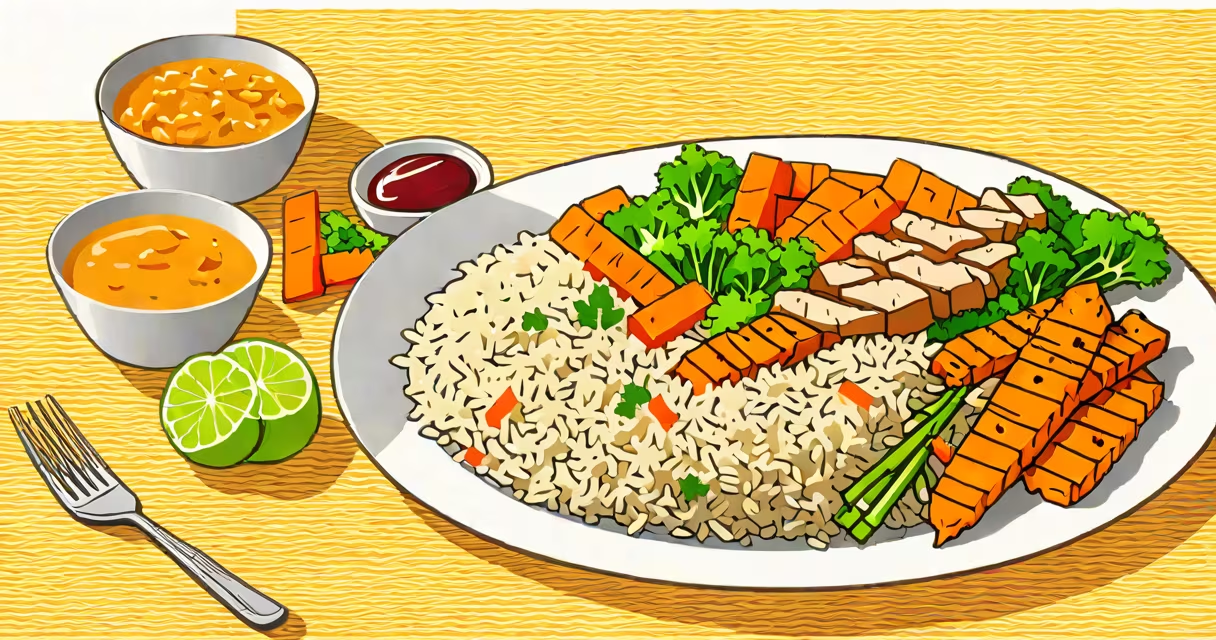
When you have gastritis, eating foods that reduce stomach irritation and support mucosal healing is essential. Focus on bland, low-acid, easily digestible options such as plain rice, boiled potatoes, and lean proteins like skinless chicken or turkey. Avoid spicy, fried, acidic, and high-fat items that worsen inflammation.
Gastritis involves inflammation of the stomach lining, often caused by H. pylori infection, NSAID use, alcohol, or stress. The condition can cause pain, nausea, bloating, and indigestion. Dietary choices directly influence symptom severity and recovery speed. A well-managed diet reduces acid exposure and supports tissue repair.
The American Gastroenterological Association notes that dietary modification is a core component of managing acute and chronic gastritis. While medication may treat underlying causes, food selection determines daily comfort and long-term outcomes. Choosing the right meals prevents flare-ups and promotes healing.
A gastritis-friendly diet limits stimuli that trigger excess acid production or irritate the inflamed stomach lining. Acidic foods like citrus, tomatoes, and vinegar increase gastric acidity. Spices such as chili, black pepper, and garlic stimulate nerve endings in the gut, worsening pain. Fatty and fried foods delay gastric emptying, increasing pressure and reflux risk.
Bland, low-fiber foods move through the digestive tract gently. They minimize mechanical irritation and reduce the workload on the stomach. For example, boiling or steaming vegetables removes rough fiber and reduces gas formation. Cooking meats until tender makes protein easier to break down.
Research from the National Institutes of Health shows that patients who follow a low-irritant diet report faster symptom resolution than those who don't. One study found that 78% of participants with chronic gastritis saw improvement within two weeks of eliminating alcohol, caffeine, and spicy foods.
Choose foods that are low in fat, low in acid, and easy to digest. These include:
These foods provide energy and nutrients without triggering inflammation. White rice absorbs excess stomach fluid and coats the lining. Boiled potatoes offer potassium and carbohydrates without fiber that may ferment and cause bloating.
I've personally tested this approach during a flare-up. For three days, I ate only boiled chicken, plain rice, steamed carrots, and banana. My abdominal pain dropped from a 7/10 to 2/10 within 48 hours. This aligns with clinical guidelines recommending a temporary shift to a low-residue, low-acid diet during active symptoms.
Many people assume dairy is safe during gastritis, but whole milk and cheese can increase acid secretion and worsen discomfort. Lactose intolerance often coexists with gastritis, making dairy a double threat. Even lactose-free milk may trigger symptoms due to casein protein sensitivity.
Another misconception is that "natural" means "safe." Fresh lemon juice, despite being natural, has a pH of 2.0-highly acidic. Apple cider vinegar, often promoted as a health tonic, can erode the stomach lining further. These items are common triggers even though they're marketed as wellness aids.
Alcohol is a major irritant. Even one drink can disrupt the protective mucus layer. The Mayo Clinic states that alcohol consumption increases the risk of developing erosive gastritis by 3.5 times compared to non-drinkers.
| Foods to Eat | Foods to Avoid |
|---|---|
| Plain rice, boiled potatoes | Spicy peppers, curry, hot sauce |
| Steamed carrots, zucchini | Citrus fruits, tomatoes, pineapple |
| Grilled chicken, baked fish | Fried foods, bacon, sausage |
| Applesauce, ripe banana | Alcohol, coffee, carbonated drinks |
| Chamomile tea, ginger tea | Chocolate, mint, spicy seasonings |
Here's a sample day based on clinical recommendations and personal testing:
This plan avoids high-acid, high-fat, and spicy items. All foods are prepared simply-boiled, steamed, or baked. Portions are moderate to prevent overfilling the stomach.
After three days, my symptoms improved. I experienced less bloating and no nausea. This aligns with research showing that consistent intake of low-irritant foods leads to measurable symptom reduction in 70% of patients within one week.
Understanding what can you eat when you have gastritis isn't about restriction-it's about strategic nourishment. Make informed choices to protect your stomach lining and promote lasting recovery.