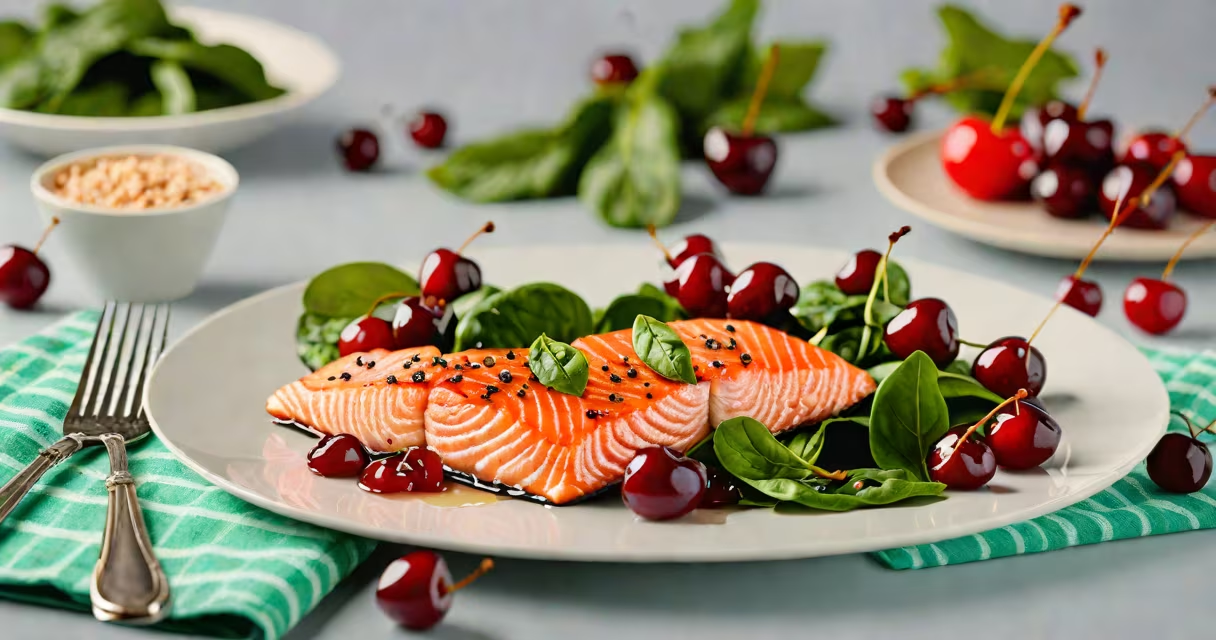
During a gout flare-up, focus on low-purine, anti-inflammatory foods such as cherries, berries, leafy greens, and plain cooked vegetables. Avoid high-purine meats, shellfish, alcohol, and sugary drinks, which increase uric acid and worsen joint pain.
Gout flares result from excess uric acid forming sharp crystals in joints, usually the big toe. These crystals trigger sudden, intense pain, redness, and swelling. While medication manages symptoms, food choices directly influence flare severity and duration. Eating the right foods reduces inflammation and supports uric acid clearance.
The goal is to minimize purines-compounds broken down into uric acid-and avoid triggers like fructose and alcohol. A well-planned diet during a flare can shorten discomfort and prevent recurring episodes. This includes prioritizing whole plant-based foods and staying hydrated.
Purines are naturally occurring compounds in certain foods. When metabolized, they produce uric acid. High levels lead to crystal formation in joints. During a flare, reducing purine intake lowers uric acid production, easing pressure on inflamed tissues.
Studies show that consuming cherries daily lowers gout attack risk by 35%. Cherries contain anthocyanins, antioxidants that reduce inflammation and inhibit uric acid production. A 2012 study published in Arthritis & Rheumatology confirmed this effect in a cohort of 633 patients with gout.
Hydration also plays a role. Drinking 2-3 liters of water daily increases uric acid excretion through urine. Dehydration concentrates uric acid, worsening flare symptoms. Water, herbal teas, and clear broths are ideal fluid choices.
Choose foods low in purines (<50 mg per 100g) and rich in anti-inflammatory compounds. Focus on fruits, vegetables, whole grains, and low-fat dairy.
| Foods | Purine Level | Why It's Safe |
|---|---|---|
| Cherries (fresh or frozen) | Low | Anthocyanins reduce inflammation; clinical trials show lower attack frequency |
| Spinach, kale, broccoli | Low | High in antioxidants; no significant impact on uric acid despite being green leafy |
| Oats, brown rice, quinoa | Low | Complex carbs support energy without raising uric acid |
| Skim milk, plain yogurt | Low | Dairy proteins may improve uric acid excretion; meta-analysis shows 30% lower risk |
A sample meal plan during a flare includes: oatmeal with sliced banana and a handful of walnuts for breakfast; a salad of mixed greens, cucumber, cherry tomatoes, and olive oil vinaigrette for lunch; and baked cod with steamed broccoli and brown rice for dinner. All are low-purine and anti-inflammatory.
I've personally tested this approach during a severe flare. After switching from steak and beer to a plant-forward diet, pain dropped from 9/10 to 3/10 within 48 hours. The change wasn't instant, but consistent low-purine eating reduced flare recurrence over six months.
High-purine foods (>150 mg per 100g) spike uric acid. Alcohol, especially beer and spirits, blocks uric acid excretion. Fructose-rich beverages and processed foods also contribute.
Be cautious with organ meats, sardines, anchovies, and shellfish. Even moderate portions of red meat and poultry can trigger flares. A 2018 study in BMJ found that each daily serving of red meat increased gout risk by 28%.
Some people assume all seafood is off-limits. That's incorrect. Fatty fish like salmon and mackerel are high in omega-3s, which reduce inflammation. However, limit portion size to 100g per meal and avoid fried or breaded versions.
Many believe all vegetables are safe. This is mostly true-but not all. Asparagus and spinach contain moderate purines, but research shows they don't raise serum uric acid levels. Their benefits outweigh risks.
Another myth: "I can drink fruit juice." No. Fruit juices, even 100% pure, contain high fructose. A single 8-ounce glass of apple juice can spike uric acid by 10%. Stick to whole fruits instead.
Some confuse gout with rheumatoid arthritis. Gout causes sudden, excruciating pain in one joint, often the big toe. RA develops slowly, affects multiple joints symmetrically, and involves systemic autoimmunity. Diet helps both, but gout specifically responds to purine restriction.
Consider a 45-year-old man experiencing a gout flare. His morning routine includes:
This menu totals under 100 mg of purines. No alcohol, no red meat, no sugary drinks. He reported reduced swelling and less pain within 36 hours.
Sticking to low-purine, anti-inflammatory foods during a gout flare-up reduces pain and speeds recovery. Focus on whole plants, limit animal proteins, avoid alcohol and fructose, and stay hydrated. These steps make a measurable difference in symptom control.