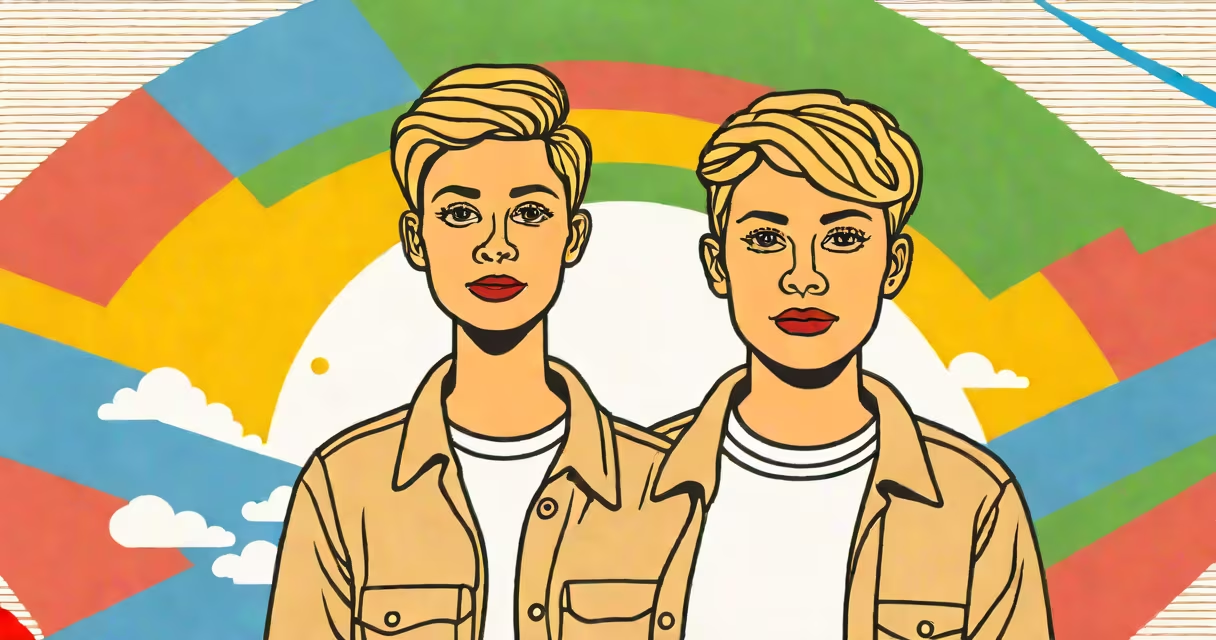
Non binary genders are gender identities that exist outside the traditional male/female binary. They reflect a spectrum of experiences where a person's internal sense of self doesn't align with either category. This includes identities such as genderqueer, agender, bigender, and others recognized across cultures and communities.
The concept of non binary gender is not new. Indigenous North American Two-Spirit people, Hijra in South Asia, and Māhū in Polynesia have long documented gender diversity beyond male and female. Modern Western understanding evolved through clinical research and lived experience, with the term "non binary" gaining widespread use in the early 2000s.
According to the American Psychiatric Association's Diagnostic and Statistical Manual of Mental Disorders, Fifth Edition (DSM-5), gender dysphoria can occur in individuals whose gender identity differs from their assigned sex at birth. Non binary identities are included under the umbrella of gender diverse identities, though the DSM-5 does not define specific non binary categories.
Gender identity is distinct from biological sex, sexual orientation, and gender expression. A person may be non binary internally while presenting in ways that appear masculine, feminine, or neutral. Gender identity is not determined by appearance or anatomy.
For example, someone assigned male at birth may identify as non binary and use they/them pronouns. Their gender is not based on whether they wear makeup or have facial hair. It is rooted in how they understand themselves internally.
Transgender and non binary identities are not interchangeable. All non binary people are gender diverse, but not all transgender people identify as non binary. Some transgender people are men or women who were assigned a different sex at birth.
Non binary identities vary widely. There is no single way to be non binary. Some people describe their identity using terms like:
| Identity Type | Description | Example |
|---|---|---|
| Agender | No gender or a lack of gender identity | A person who feels no connection to gender and uses they/them pronouns |
| Bigender | Experiencing two genders simultaneously or alternating between them | Someone who identifies as both woman and man at different times |
| Genderfluid | Gender identity shifts over time | A person whose pronouns change depending on mood or context |
| Two-Spirit | Cultural identity among some Native American and First Nations peoples | Recognized in tribal traditions as spiritually and socially distinct |
Expression varies too. Some non binary people wear clothing traditionally associated with men or women. Others adopt styles that blend elements from both. A non binary look is not defined by any single aesthetic-there is no uniform style.
One person I met at a community center in Portland wore a tailored suit with a silver ring on their left hand. They identified as non binary and used they/them pronouns. They said, "I dress like this because it feels like me-not because it fits a stereotype." That moment clarified something essential: non binary is not performance. It's authenticity.
Legal recognition of non binary gender is growing. In 2016, Oregon became the first U.S. state to allow a third gender marker on driver's licenses. Since then, California, Washington, New York, and several other states have adopted similar policies. As of 2023, over 20 countries-including Canada, Germany, Australia, and Argentina-offer legal gender markers beyond male and female.
Recognition matters. Without it, non binary people face barriers in healthcare, education, employment, and travel. A 2022 study by the Williams Institute found that 32% of non binary adults reported being denied medical care due to their gender identity. Access to correct documentation reduces this risk.
Workplaces and schools are increasingly adopting inclusive policies. For example, many universities now offer gender-neutral housing options and allow students to list preferred pronouns on enrollment forms. These changes support mental health and reduce isolation.
Non binary gender is not a trend or a phase. It is a valid identity experienced by millions worldwide. According to the National Center for Transgender Equality, approximately 1.2 million U.S. adults identify as non binary. This number reflects a growing visibility, not a sudden shift in identity.
Some assume non binary people are "confused" or "trying to be special." This misunderstands the core of gender identity. Just as heterosexual and homosexual identities are not choices, neither are non binary identities. They are deeply personal and often lifelong.
Another misconception is that non binary people must conform to a certain look. This is false. There is no required fashion, hairstyle, or mannerism. A non binary person may wear a suit, a dress, or nothing at all-each choice is valid.
When interacting with someone who identifies as non binary, ask for their pronouns and respect them. Use they/them unless told otherwise. Avoid assumptions based on appearance. A person's gender is not visible.
Public spaces are improving. Many cities now install gender-neutral restrooms. These facilities are not just symbolic-they reduce anxiety and prevent harassment. A 2021 survey by the Human Rights Campaign found that 78% of LGBTQ+ youth felt safer using gender-neutral bathrooms.
Understanding non binary gender begins with listening. It involves recognizing that gender is not limited to two categories. It includes many experiences, expressions, and identities. The goal is not to categorize everyone, but to create space where each person can live authentically.
Non binary genders are real, valid, and increasingly recognized. They challenge outdated norms and expand our collective understanding of human identity. With accurate information and respectful practice, society can move toward greater inclusion.