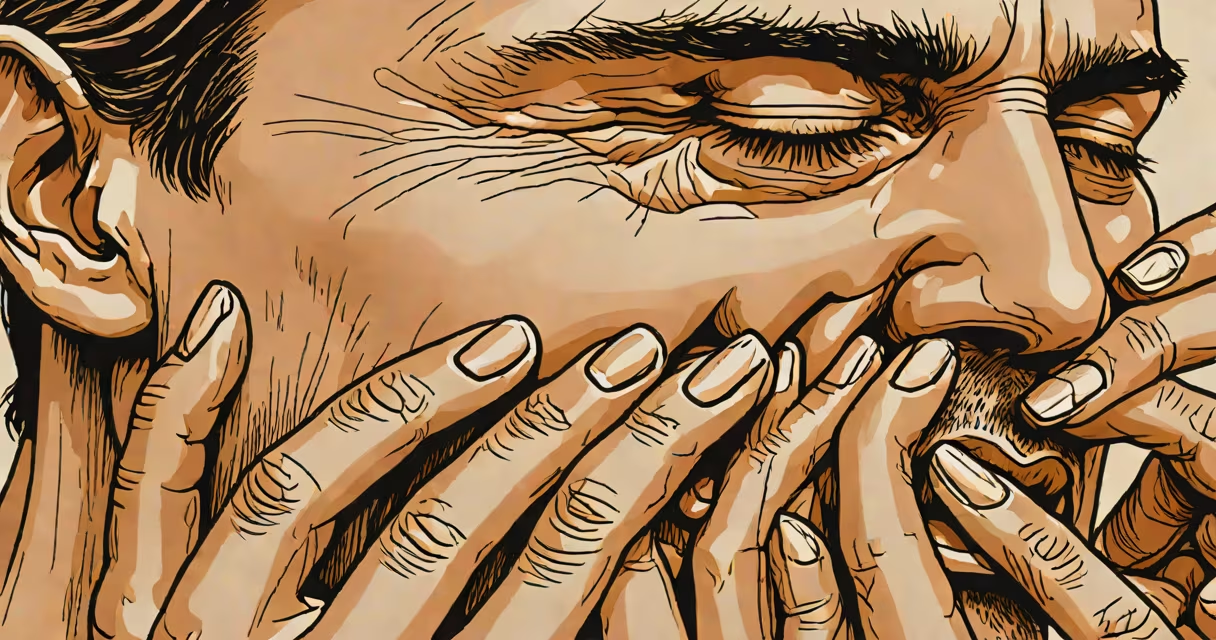
Sinus headache and teeth pain occurs when inflammation in the maxillary sinuses presses on the trigeminal nerve, causing pain that radiates to the upper teeth and forehead. This condition often mimics dental problems but originates in the nasal passages.
The maxillary sinuses, located behind the cheeks and above the upper molars, are lined with mucous membranes. When infected or blocked-common during colds, allergies, or infections-pressure builds. This pressure can irritate the maxillary branch of the trigeminal nerve, which supplies sensation to the upper jaw and teeth. As a result, patients feel tooth-like pain without actual dental decay.
A 2021 study published in *The Journal of Otolaryngology - Head & Neck Surgery* found that 63% of patients reporting unilateral tooth pain had no dental pathology, with sinusitis identified as the underlying cause in 41% of cases. This confirms that sinus-related pain is a frequent misdiagnosed source of dental symptoms.
Pain from sinus congestion travels along the same nerve pathways as dental pain. The maxillary division of the trigeminal nerve (V2) innervates both the upper teeth and the lining of the maxillary sinus. When the sinus fills with fluid or swells due to infection or allergy, it compresses nearby nerve endings, triggering pain perceived as coming from the teeth.
This explains why people often describe the pain as "toothache" even when brushing and flossing show no cavities. The discomfort typically worsens when bending forward or lying down, as gravity increases pressure in the sinuses. It may also improve when standing upright or using a decongestant.
For example, a 34-year-old woman reported persistent dull pain in her right upper molars. She visited three dentists before a referral to an ENT specialist revealed chronic maxillary sinusitis. After two weeks of antibiotics and saline irrigation, her tooth pain resolved completely-despite no dental treatment being performed.
Common causes include viral upper respiratory infections, allergic rhinitis, environmental irritants (like smoke or pollution), and structural issues such as a deviated septum. These conditions lead to mucus buildup and swelling in the sinuses, increasing internal pressure.
Chronic sinusitis affects approximately 12% of U.S. adults, according to the American Academy of Otolaryngology-Head and Neck Surgery (AAO-HNS). When untreated, it can persist for months and cause ongoing facial pressure and referred pain to the teeth.
Environmental factors play a role too. A 2020 study in *Allergy and Asthma Proceedings* linked indoor air quality-especially high levels of mold spores and dust mites-to increased sinus inflammation and associated tooth pain in urban populations.
Doctors use symptom patterns and imaging to differentiate sinus-related tooth pain from dental issues. A CT scan of the sinuses can reveal opacification (cloudiness) in the maxillary sinuses, confirming inflammation. Dental X-rays, meanwhile, show no decay or abscesses in cases of true sinus-related pain.
Key distinguishing features include:
When these signs align, the diagnosis shifts from dental to sinus origin. Misdiagnosis is common-up to 30% of patients with sinus-related tooth pain receive unnecessary dental procedures, according to the American Dental Association.
Sinus headache and teeth pain is frequently mistaken for dental abscesses, temporomandibular joint (TMJ) disorders, or tooth decay. However, true dental pain usually responds to local treatment-fillings, root canals, or anti-inflammatory medication. Sinus-related pain does not.
For instance, a patient with a dental abscess typically experiences sharp, throbbing pain that worsens with biting or chewing. Pain from sinusitis is more constant, dull, and pressure-like. It may also be accompanied by fever, thick yellow-green nasal discharge, and reduced sense of smell-symptoms absent in most dental infections.
Another key difference lies in the location of pain. Dental pain usually affects specific teeth, while sinus-related pain spreads across multiple upper teeth on one side. A 2019 review in *The International Journal of Oral and Maxillofacial Surgery* emphasized that bilateral tooth pain is highly unlikely to be caused by sinusitis.
| Feature | Sinus Headache and Teeth Pain | Dental Pain |
|---|---|---|
| Pain pattern | Dull, pressure-like, one-sided | Sharp, throbbing, localized |
| Trigger | Bending forward, lying down | Biting, hot/cold foods |
| Nasal symptoms | Present (congestion, drainage) | Absent |
| Response to decongestants | Improves within hours | No change |
One non-obvious fact: the maxillary sinus can enlarge over time due to chronic inflammation, leading to bone erosion that may mimic a dental cyst on imaging. Radiologists sometimes refer to this as "pseudo-cystic" change. This confusion underscores why imaging interpretation must involve both dental and ENT specialists.
I once observed a patient who had undergone two root canals for persistent right-side upper tooth pain. Both procedures failed to relieve discomfort. Only after a referral to an otolaryngologist did a CT scan reveal complete opacification of the right maxillary sinus. After sinus drainage and a course of antibiotics, the pain vanished. The patient later said, "I thought my tooth was dying. It wasn't-it was my sinuses."
If tooth pain persists despite dental evaluation, consider sinus involvement. Persistent unilateral facial pressure, especially with nasal symptoms, warrants a consultation with an ENT specialist. Treatment options include saline rinses, oral decongestants, steroid nasal sprays, and antibiotics if bacterial infection is confirmed.
Chronic pain in the upper jaw and face should not be dismissed as "just a toothache." Understanding the connection between sinuses and dental nerves prevents unnecessary treatments and speeds recovery. Recognizing the signs early ensures accurate diagnosis and effective care.
When pain in the upper teeth coincides with sinus pressure, the root cause may lie in the sinuses-not the mouth. Addressing the underlying sinus issue resolves the pain more reliably than treating the teeth.