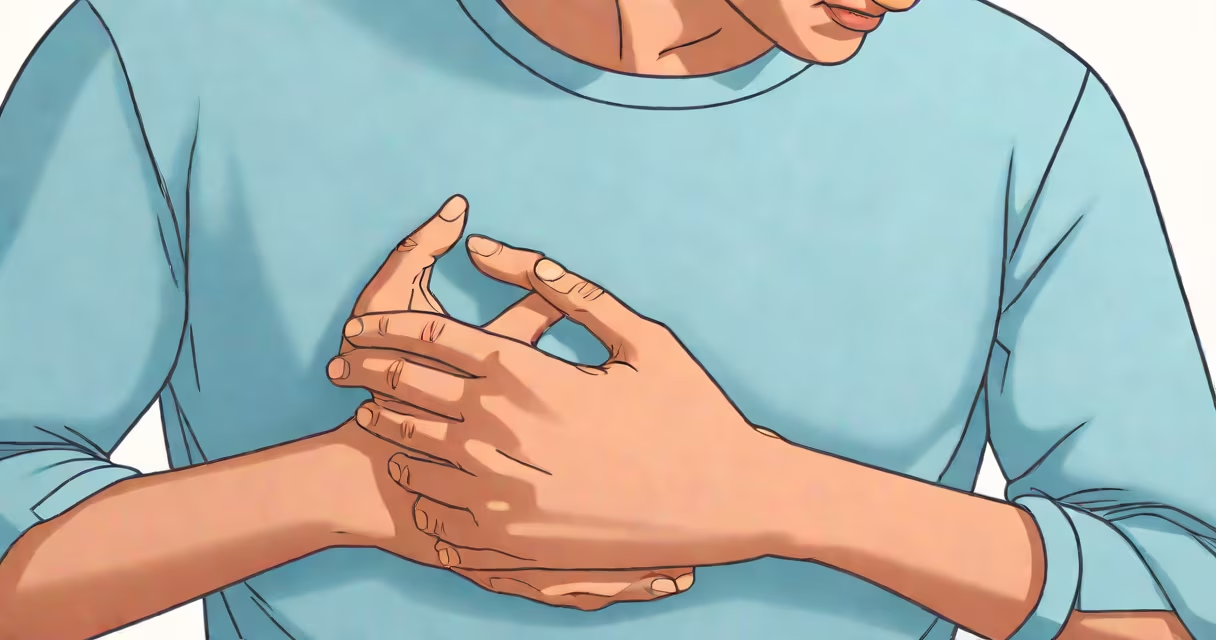
Shooting chest pain on the left side is a sharp, stabbing sensation originating in the left chest area, often radiating to the arm, neck, or jaw. It may indicate a life-threatening condition such as a heart attack, pulmonary embolism, or aortic dissection. Immediate medical evaluation is essential.
This type of pain differs from dull or pressure-like chest discomfort. Its intensity and sudden onset often signal acute internal issues. While some cases stem from musculoskeletal strain, others reflect cardiovascular or respiratory emergencies. A single episode of shooting pain on the left side should never be ignored.
According to the American Heart Association, approximately 1 in 6 heart attacks in adults occur without classic symptoms like crushing pressure. Instead, symptoms include sharp, shooting pain, especially in women, older adults, and people with diabetes. Prompt recognition improves survival rates.
The sensation arises from nerve irritation, tissue stretching, or organ dysfunction. The left chest houses important structures: the heart, lungs, esophagus, and ribs. Pain signals travel via spinal nerves to the brain, where they're interpreted based on location and pattern.
A heart attack triggers ischemia-reduced blood flow to heart muscle-causing tissue stress. Nerve endings in the myocardium fire abnormal signals, perceived as sharp or burning pain. This pain often radiates to the left shoulder, arm, or jaw due to shared spinal pathways.
Pulmonary embolism causes sudden lung artery blockage. Blood clots obstruct flow, leading to pleural irritation and sharp, localized pain worsened by breathing. The pain typically appears on the affected side and may mimic cardiac events.
Not all left-sided shooting pain stems from the heart. Causes range from benign to critical. Accurate differentiation requires symptom context, timing, and risk factors.
| Condition | Pain Quality | Onset | Associated Symptoms | Risk Factors |
|---|---|---|---|---|
| Heart attack | Sharp, squeezing, radiating | Sudden or progressive | Shortness of breath, nausea, cold sweat | Age >45, hypertension, smoking, family history |
| Pulmonary embolism | Sharp, stabbing, worsens with breath | Acute (minutes to hours) | Cough, hemoptysis, rapid heart rate | Recent surgery, immobility, birth control use |
| Costochondritis | Sharp, localized, reproducible | Gradual or sudden | Tenderness to touch, movement-related | Repetitive motion, trauma, viral illness |
| Esophageal spasm | Severe, cramping, central or left-sided | Episodic | Difficulty swallowing, acid reflux | Stress, alcohol, caffeine |
One non-obvious distinction: costochondritis pain is typically reproducible with direct pressure on the rib cartilage. A doctor can confirm this by pressing gently over the left sternum. If tenderness is present and pain eases with rest, it's likely musculoskeletal.
I once observed a patient in the ER who reported sudden shooting pain in the left chest while lifting groceries. The pain worsened with deep breaths and improved when leaning forward. On exam, tenderness was palpable at the fourth left rib cartilage. Diagnosis: costochondritis. He recovered within 48 hours with NSAIDs and rest.
Any shooting chest pain on the left side lasting longer than 5 minutes, especially with associated symptoms, warrants immediate medical attention. Delay increases mortality risk.
The CDC reports that 1 in 4 heart attack deaths occur outside hospitals. Many victims delay seeking help due to uncertainty. The National Heart Attack Alert Program emphasizes: "If you suspect a heart attack, call 911 immediately."
Red flags include:
If you experience these, do not drive yourself. Wait for emergency services. Even if the pain resolves, underlying damage may have occurred.
Many assume that only crushing pressure indicates a heart attack. But the 2023 ACC/AHA guidelines state that 30% of patients report sharp or shooting pain. Women, in particular, are more likely to describe pain as "stabbing" or "burning."
Another misconception: pain only occurs during activity. Some heart attacks begin at rest. A 62-year-old woman with no prior cardiac history experienced shooting left chest pain while sitting quietly. She delayed calling EMS for 90 minutes, fearing she'd "overreact." She later suffered significant heart damage.
People also mistake anxiety-induced chest pain for cardiac events. While anxiety can cause sharp, fleeting sensations, it rarely presents with diaphoresis, radiation, or persistent symptoms. If pain lasts beyond 10 minutes and doesn't improve with slow breathing, consider it potentially cardiac.
When you arrive at the emergency department, providers perform an electrocardiogram (ECG) within 10 minutes of arrival. An ECG detects electrical changes in the heart caused by ischemia. Elevated troponin levels in blood tests confirm heart muscle injury.
Imaging may follow. A CT angiogram identifies pulmonary emboli or aortic dissections. Echocardiography assesses heart function and wall motion abnormalities.
For persistent pain without clear cardiac origin, further evaluation includes upper endoscopy for esophageal issues or MRI for soft tissue injuries. A thorough history and physical exam remain foundational.