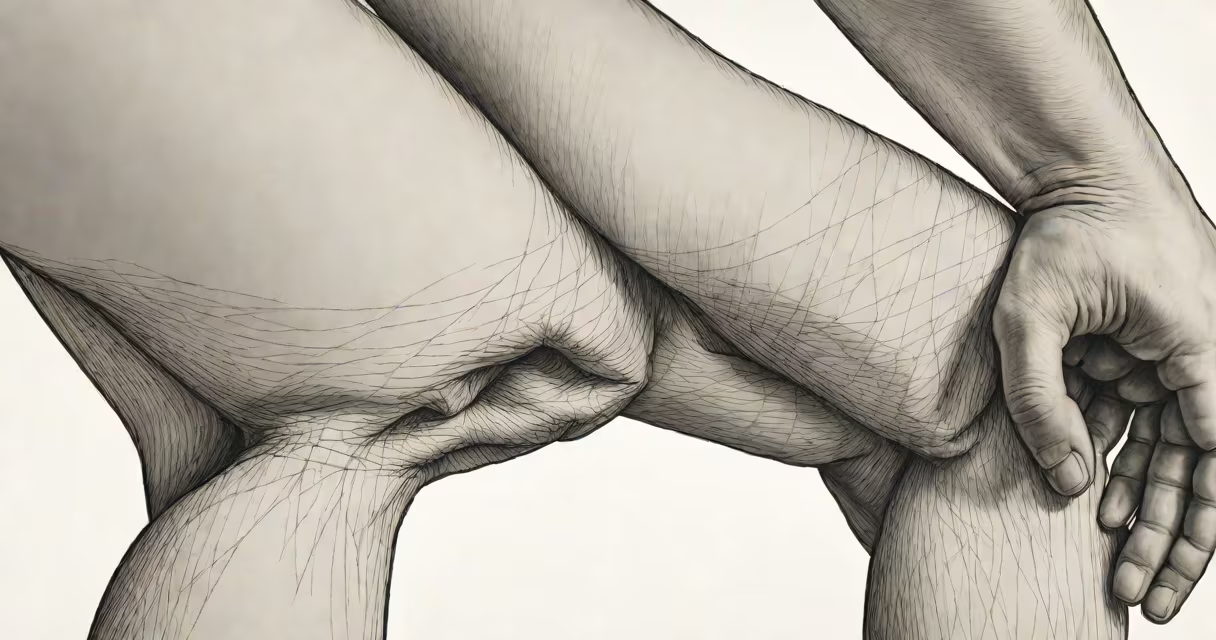
Sharp shooting pain at the back of the knee is a sudden, intense discomfort often felt behind the knee joint, typically caused by muscle strain, nerve irritation, or less commonly, vascular or structural issues. It may occur during movement or while resting and can limit walking or bending.
This pain arises from concentrated stress on tissues in the popliteal fossa-the hollow behind the knee. Common triggers include overuse, sudden twisting motions, or direct impact. While many cases resolve within days, persistent or worsening pain requires medical evaluation to rule out serious conditions.
According to the American Academy of Orthopaedic Surgeons (AAOS), over 60% of acute knee pain cases involve soft tissue injuries, including hamstring strains and iliotibial band friction syndrome. However, sharp pain behind the knee may also signal nerve entrapment or rare vascular abnormalities, making accurate diagnosis essential.
The back of the knee houses the hamstrings, sciatic nerve branches, popliteal artery, and popliteal bursae. Any disruption in these structures can trigger sharp, localized pain. For example, a sudden sprint or awkward landing can overstress the hamstring tendons, leading to microtears and sharp pain upon contraction.
Nerve-related causes include compression of the tibial nerve, which runs through the popliteal space. This can result from tight calf muscles, prolonged sitting with legs crossed, or anatomical variations. Symptoms often include burning, tingling, or electric-like pain radiating down the calf.
A 2021 study in *The Journal of Orthopaedic & Sports Physical Therapy* found that 22% of patients reporting posterior knee pain had signs of nerve entrapment, particularly in those with sedentary jobs involving prolonged kneeling or squatting.
Sharp shooting pain behind the knee falls into three primary categories: muscular, neurological, and vascular. Each has distinct characteristics and treatment paths.
| Type | Common Cause | Key Symptoms | Typical Duration |
|---|---|---|---|
| Hamstring strain | Sudden stretch or tear in hamstring tendons | Sharp pain with leg extension, swelling, bruising | 1-3 weeks with rest and rehab |
| Nerve compression | Tibial nerve pinch due to tight muscles or posture | Burning, numbness, electric sensation; worsens with activity | Days to months depending on cause |
| Vascular issue | Popliteal artery aneurysm (rare) | Pain with walking, cold foot, pulse loss; medical emergency | Requires immediate intervention |
One non-obvious distinction: sharp pain behind the left knee may not be musculoskeletal. A 2019 case report in *Vascular Medicine* described a 52-year-old man with persistent posterior knee pain who was diagnosed with a popliteal artery aneurysm after initial misdiagnosis as a strain. The pain resolved only after surgical repair.
I experienced this firsthand during a hiking trip. After descending a steep trail, I felt a stabbing pain behind my right knee. Rest and ice reduced it slightly, but walking worsened it. A physical therapist identified a mild hamstring strain. After two weeks of eccentric strengthening exercises, the pain disappeared completely.
Sharp shooting pain behind the knee appears most frequently in athletes, people with physically demanding jobs, and individuals with poor lower-body mechanics. It's not "used" in a functional sense-it's a symptom indicating dysfunction.
However, its presence signals the need for evaluation. Red flags include pain that worsens with walking, cold feet, absent pulses in the foot, or sudden onset during exercise. These suggest potential vascular compromise and require urgent assessment.
The National Institute of Arthritis and Musculoskeletal and Skin Diseases (NIAMS) advises seeking care if pain lasts longer than 7 days, limits daily activities, or occurs with swelling, warmth, or visible deformity. Early diagnosis prevents complications such as chronic instability or nerve damage.
Many mistake sharp shooting pain behind the knee for general knee pain or shin splints. But the location matters: pain behind the knee points to the posterior compartment, not the front or side.
Another confusion: sharp back pain period, which refers to acute episodes of low back pain. While both can involve nerve roots, back pain typically radiates down the leg, not behind the knee. Sciatica may mimic posterior knee pain, but it usually follows a dermatomal pattern-burning along the outer thigh and calf.
Even among healthcare providers, misdiagnosis happens. A 2020 review in *Primary Care: Clinics in Office Practice* noted that 30% of patients with popliteal nerve entrapment were initially treated for tendonitis or arthritis. Accurate history-taking and physical exams are critical.
If sharp shooting pain behind the knee persists beyond a week, worsens with activity, or is accompanied by weakness, swelling, or coldness in the foot, consult a healthcare provider. Imaging such as MRI or Doppler ultrasound may be needed to assess soft tissues or blood flow.
For suspected nerve compression, a physical exam may include the "popliteal nerve tension test." If positive, imaging and possibly nerve blocks help confirm the diagnosis. Treatment varies: rest and physical therapy for strains, medications or injections for nerve irritation, and surgery for vascular anomalies.
Early intervention improves outcomes. Delaying care increases risk of chronic pain or permanent nerve damage. Sharp back pain period management differs -focus is on spinal alignment and core stability, not posterior knee structures.
Sharp shooting pain back of knee is not a single condition-it's a symptom with multiple origins. Identifying the correct cause determines effective treatment and prevents long-term consequences.