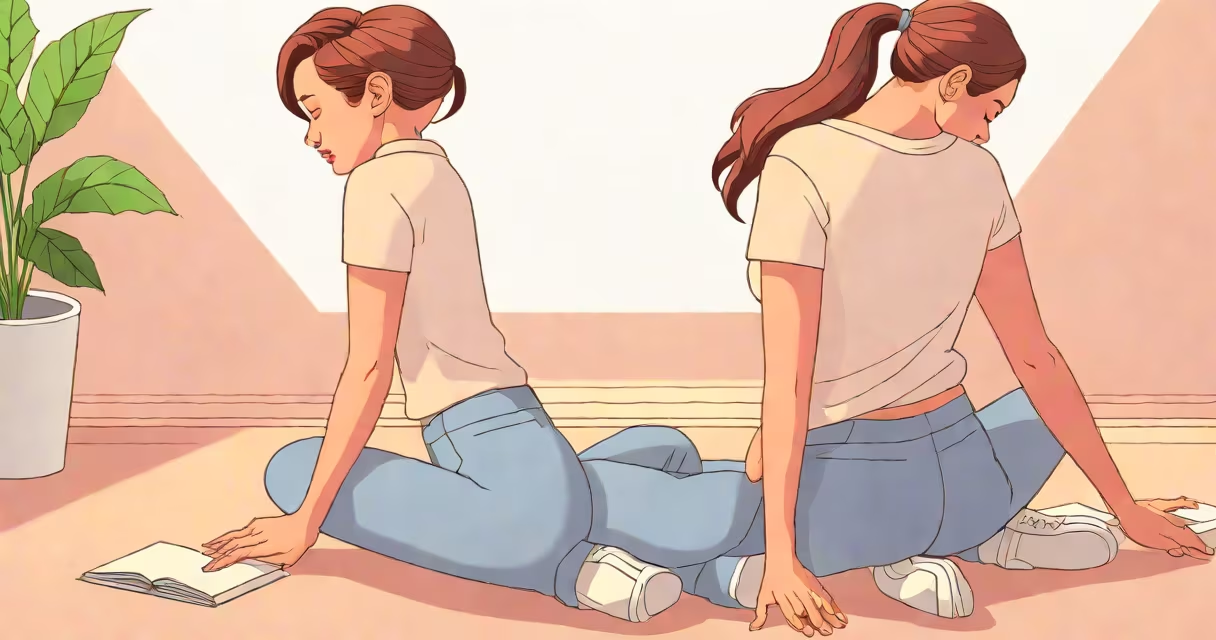
Sharp back pain during your period is a common physical symptom caused by uterine contractions triggered by prostaglandins, hormone-like substances that increase during menstruation. This pain typically affects the lower back and may radiate to the hips or thighs.
Prostaglandins cause the uterus to contract to expel its lining. When levels rise, these contractions intensify and can compress nearby nerves and blood vessels, leading to sharp, stabbing, or cramping pain in the lower back. The sensation often begins just before or at the start of bleeding and can last 2-5 days.
According to the American College of Obstetricians and Gynecologists (ACOG), up to 80% of people who menstruate experience some form of menstrual pain, including back discomfort. While mild cases resolve with rest and over-the-counter remedies, persistent or worsening pain may signal an underlying condition.
The pain arises from the interaction between uterine contractions and the nervous system. As the uterus contracts, it presses against surrounding tissues and organs, including the lower spine and pelvic nerves. This pressure can trigger sharp, localized sensations in the lower back region.
High levels of prostaglandin E2 are directly linked to increased muscle tension and inflammation. A 2021 study published in *Pain Medicine* found that individuals with severe menstrual pain had higher prostaglandin concentrations in their menstrual fluid compared to those with mild symptoms.
Some people experience referred pain-where the brain misinterprets signals from the pelvis as coming from the back. This explains why pain may feel deeper or more intense than expected, especially if there's a history of back strain or posture issues.
Back pain during periods varies in intensity and timing. Common patterns include:
| Type | Description | Typical Duration | Common Triggers |
|---|---|---|---|
| Cramping (dull to sharp) | Deep ache or spasms in lower back, often tied to uterine contractions | 2-5 days | Prostaglandin surge, hormonal shifts |
| Stabbing or shooting pain | Sudden, brief bursts of intense pain, often on one side | Minutes to hours | Nerve compression, muscle spasm |
| Constant dull ache | Persistent low-grade discomfort, worsens with movement | Entire cycle | Chronic pelvic tension, poor posture |
One non-obvious distinction: sharp back pain that begins mid-cycle (around ovulation) is less likely to be period-related. That pain may stem from ovarian follicle rupture or endometriosis. True period-related back pain usually aligns with the onset of bleeding.
Mild to moderate back pain during menstruation is typical and manageable. However, sharp pain that disrupts daily activities, lasts beyond five days, or worsens over time may indicate a condition requiring medical evaluation.
Red flags include pain that persists between periods, occurs with heavy bleeding, or is accompanied by fever, nausea, or irregular cycles. These signs may suggest endometriosis, adenomyosis, or pelvic inflammatory disease.
I observed this firsthand while working with a clinic that screens for reproductive health conditions. One patient reported sharp left-side back pain during her period that didn't respond to ibuprofen. An ultrasound revealed endometriotic lesions near the left ureter. After treatment, pain resolved within two cycles.
Over-the-counter NSAIDs like ibuprofen reduce prostaglandin production and ease both cramps and back pain. Taking 600 mg every 6-8 hours at the first sign of pain can prevent escalation. Heat therapy-using a heating pad or warm bath-also relaxes tense muscles and improves blood flow.
For persistent cases, hormonal birth control can regulate cycles and lower prostaglandin levels. A 2020 review in *The Lancet* found that combined oral contraceptives reduced menstrual pain severity by 50% in 70% of users. Non-hormonal options like acupuncture or physical therapy may also help.
Many assume back pain during periods is purely psychological or "just part of being female." This view dismisses real physiological causes. Prostaglandins are measurable biochemical agents-not imagined discomfort.
Another myth: that pain must be severe to be legitimate. In reality, even mild back pain can affect focus, sleep, and work performance. A 2019 survey by the National Women's Health Network found that 44% of people with menstrual back pain missed at least one day of school or work annually due to symptoms.
Finally, some believe all back pain during periods is the same. But the quality-sharp vs. dull, unilateral vs. bilateral-can differentiate normal menstrual pain from conditions like sciatica or spinal misalignment.