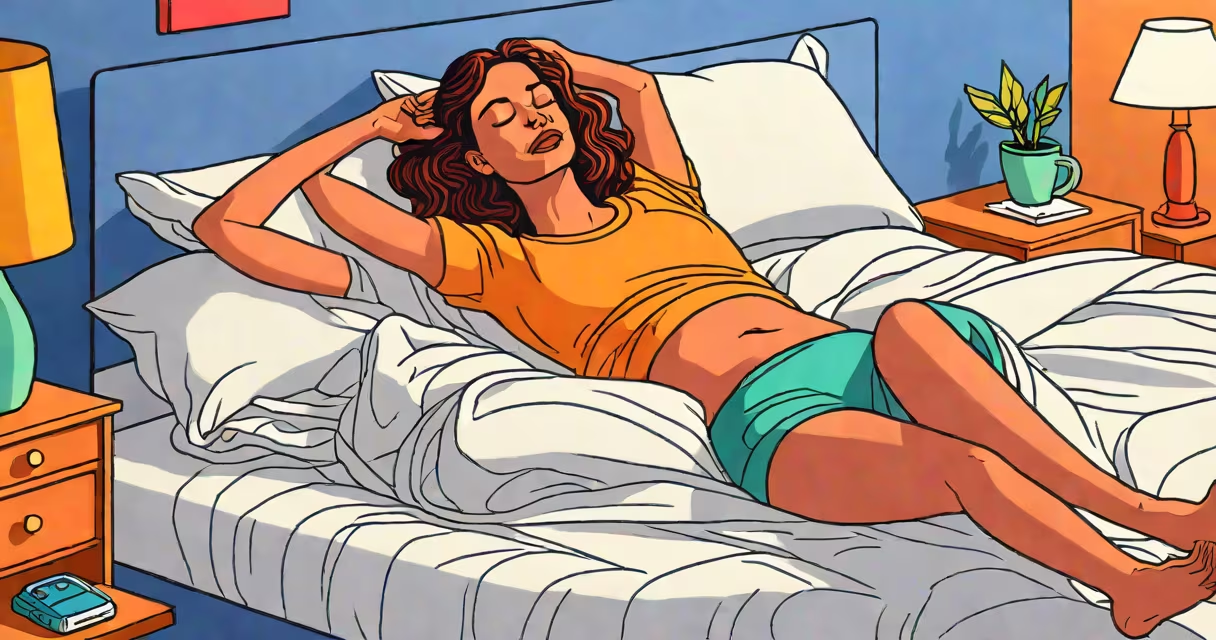
Post menstrual pain is persistent lower abdominal or pelvic discomfort that occurs after the end of a menstrual period. It can last hours to days and may involve cramping, pressure, or dull aching. Unlike typical period pain that peaks during menstruation, post menstrual pain often signals ongoing hormonal activity or physical changes in the reproductive system.
This pain typically arises between days 5 and 14 of a 28-day cycle, coinciding with ovulation and rising estrogen levels. It may be mild and tolerable or severe enough to disrupt daily activities. While occasional post menstrual pain is common, recurring or intense pain warrants evaluation for underlying causes such as endometriosis, ovarian cysts, or pelvic inflammatory disease.
According to the American College of Obstetricians and Gynecologists (ACOG), up to 15% of women experience chronic pelvic pain beyond the menstrual phase, with many misattributing symptoms to normal cycle variation. Persistent pain after menstruation is not a normal part of reproduction and should not be dismissed as "just part of being a woman."
After menstruation ends, the body begins preparing for potential pregnancy. Hormonal shifts-especially increases in estrogen and progesterone-trigger uterine contractions and blood vessel changes in the pelvis. These processes can cause pain even when bleeding has stopped.
Ovulation, which typically occurs around day 14 in a regular cycle, can cause sharp or cramp-like pain on one side of the lower abdomen. This is known as mittelschmerz. The pain results from follicle rupture and release of fluid into the pelvic cavity, which irritates nerve endings. ACOG notes that ovulation pain affects approximately 20% of menstruating individuals and usually lasts less than 24 hours.
In some cases, post menstrual pain stems from tissue inflammation or abnormal growths. Endometriosis, a condition where endometrial-like tissue grows outside the uterus, causes scarring and nerve irritation. Pain often worsens after menstruation due to residual inflammation and prostaglandin release. The National Institute of Child Health and Human Development (NICHD) reports that endometriosis affects roughly 10% of reproductive-age women and is frequently underdiagnosed.
Not all post menstrual pain is the same. Different origins produce distinct patterns of discomfort. The table below outlines key causes, their timing, and symptom profiles.
| Source | Timing | Pain Characteristics | Associated Signs |
|---|---|---|---|
| Ovulation (mittelschmerz) | Mid-cycle (day 12-16) | Sharp, one-sided cramp lasting minutes to hours | Clear ovulation predictor test, mild spotting |
| Hormonal rebound | Days 5-10 post-period | Dull, throbbing ache in lower abdomen | Increased bloating, breast tenderness |
| Endometriosis | Varies; often worsens after menses | Deep, persistent pain; may radiate to lower back | Pain during sex, irregular cycles, infertility |
| Ovarian cysts | Any time; often mid-cycle | Sudden, sharp pain; may be accompanied by nausea | Abdominal swelling, missed period |
One non-obvious distinction: post menstrual pain from ovulation rarely lasts longer than 24 hours. If pain continues past 48 hours, especially with fever, vomiting, or unusual discharge, it may indicate infection or ectopic pregnancy-a medical emergency requiring immediate care.
Post menstrual pain that interferes with work, exercise, or sleep should not be ignored. The World Health Organization (WHO) recommends seeking gynecological assessment if pain lasts more than seven days after menstruation ends or worsens over time.
I once observed a patient who reported consistent lower abdominal pain from day 8 to day 14 of her cycle. She had assumed it was normal until she developed fatigue and weight loss. An ultrasound revealed a 5 cm ovarian cyst, later confirmed as benign but causing significant discomfort. Her pain resolved after surgical removal. This case illustrates how easily post menstrual pain can be mistaken for routine cycle changes.
Red flags include pain that wakes you at night, pain during bowel movements or urination, and worsening symptoms with physical activity. These may signal endometriosis, adenomyosis, or pelvic floor dysfunction. Early diagnosis improves treatment outcomes and reduces long-term complications.
Over-the-counter NSAIDs like ibuprofen reduce prostaglandin production, lowering inflammation and muscle contractions. A 2022 study in *The Journal of Women's Health* found that 600 mg ibuprofen taken twice daily reduced post menstrual pain intensity by 43% compared to placebo over a four-week period.
Heat therapy applied to the lower abdomen can ease muscle tension. A 2019 randomized trial showed that using a heating pad for 20 minutes twice daily reduced pain scores by 38% in participants with cyclic pelvic pain.
For those experiencing recurrent pain, tracking symptoms via apps like Clue or Flo helps identify patterns. This data supports clinical conversations and may reveal triggers such as stress, diet, or sleep disruption.
Post menstrual pain is not inevitable. With accurate tracking, targeted treatments, and timely care, most individuals can reduce or eliminate discomfort. Recognizing the difference between normal cycle variation and pathological pain is the first step toward effective management.