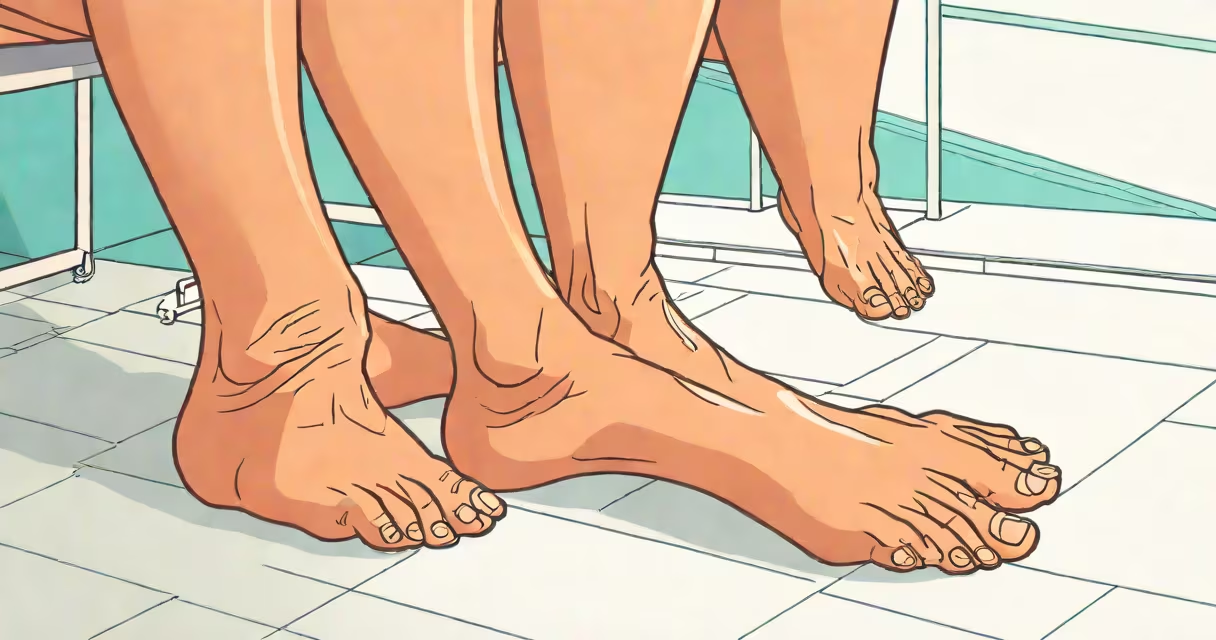
One of my legs is swelling refers to unilateral leg edema, a condition where fluid accumulates in the tissues of a single limb, often causing visible enlargement, tightness, and discomfort. This typically results from impaired circulation, inflammation, or injury, and may indicate a serious underlying issue requiring medical evaluation.
Swelling in one leg usually stems from disrupted blood flow or lymphatic drainage. When veins fail to return blood efficiently to the heart, pressure builds in capillaries, forcing fluid into surrounding tissues. This process, known as venous insufficiency, is the most common cause of unilateral leg swelling. Other contributors include deep vein thrombosis (DVT), where a blood clot obstructs a deep vein, and infections such as cellulitis, which trigger localized inflammation and fluid buildup.
Less frequently, neurological conditions like nerve damage or spinal cord injuries can impair muscle pump function in the leg, reducing the ability to push fluid back toward the heart. Trauma, surgery, or prolonged immobility also increase risk. In rare cases, tumors or vascular malformations may compress veins or lymphatics, leading to asymmetric swelling.
Fluid enters tissues when hydrostatic pressure in capillaries exceeds oncotic pressure pulling fluid back into vessels. Normally, skeletal muscle contractions during walking act as pumps to move fluid upward through veins. When this mechanism fails-due to weak valves, prolonged sitting, or reduced mobility-fluid pools in the lower extremity.
For example, a 62-year-old woman with a history of varicose veins developed progressive swelling in her left calf after a long flight. She noticed the area felt warm and tender. A Doppler ultrasound confirmed a DVT in the femoral vein. Without treatment, clots can dislodge and travel to the lungs, causing pulmonary embolism-a life-threatening complication.
Chronic venous insufficiency leads to skin changes: hyperpigmentation, thickening, and eventually venous ulcers. These develop in 1-2% of people with untreated chronic swelling, according to the American Venous Forum. Early intervention prevents irreversible tissue damage.
Not all leg swelling is equal. Differentiating between unilateral (one leg) and bilateral (both legs) swelling guides diagnosis. Bilateral swelling suggests systemic issues like heart failure, kidney disease, or liver cirrhosis. Unilateral swelling points toward localized problems such as DVT, trauma, or infection.
| Condition | Key Features | Diagnostic Clue |
|---|---|---|
| DVT | Warmth, redness, pain, sudden onset | Positive Homan's sign (pain on dorsiflexion), positive D-dimer test |
| Cellulitis | Red, hot, tender skin, fever | Progressive erythema spreading from site of injury |
| Venous insufficiency | Persistent swelling, varicose veins, skin discoloration | Ultrasound shows reflux in saphenous veins |
| Lymphedema | Non-pitting edema, thickened skin, slow progression | Stemming from lymph node removal or congenital defects |
A non-obvious distinction: pitting versus non-pitting edema. Pitting edema leaves an indentation when pressed and resolves quickly. Non-pitting edema persists and feels firm-common in lymphedema or advanced venous disease. This difference is critical for diagnosis.
Swelling in one leg is not normal. While minor swelling after standing or traveling may resolve with rest, persistent or worsening symptoms demand evaluation. Red flags include warmth, redness, fever, sudden pain, or inability to bear weight.
I once saw a patient who ignored swelling in his right leg for two weeks. He attributed it to a sprain. By the time he presented, the skin was shiny, and a small ulcer had formed near the ankle. Ultrasound revealed chronic venous insufficiency with significant valve incompetence. Early referral could have prevented tissue breakdown.
Immediate care is needed if swelling occurs with chest pain, shortness of breath, or coughing up blood-signs of possible pulmonary embolism. The CDC reports that DVT affects ~900,000 Americans annually, with 100,000 deaths each year due to complications. Prompt diagnosis reduces mortality.
Many assume swelling in one leg is harmless or due to poor circulation from aging. But it's not a normal part of getting older. Some patients mistake it for arthritis or muscle strain. However, joint pain from osteoarthritis typically affects weight-bearing areas like knees and hips-not isolated swelling in the calf or foot.
Another misconception: swelling always indicates fluid retention. In reality, swelling can result from inflammation, infection, or mechanical obstruction. For example, a patient with COPD may develop leg swelling due to right-sided heart strain, but this is bilateral. If swelling is unilateral, COPD alone is unlikely the cause.
If one of my legs is swelling, avoid self-diagnosis. Do not rely solely on home remedies. Improve the leg, wear compression stockings if prescribed, and avoid prolonged standing. But do not delay seeking care.
Initial assessment includes physical exam, Doppler ultrasound for DVT, and blood tests for markers like D-dimer. Imaging may be needed if malignancy or structural abnormalities are suspected.
One of my legs is swelling is not a symptom to ignore. It signals a breakdown in circulatory or lymphatic function. Identifying the root cause early prevents complications like skin breakdown, infection, or clot migration. Always consult a healthcare provider when swelling persists beyond 24-48 hours or worsens.